
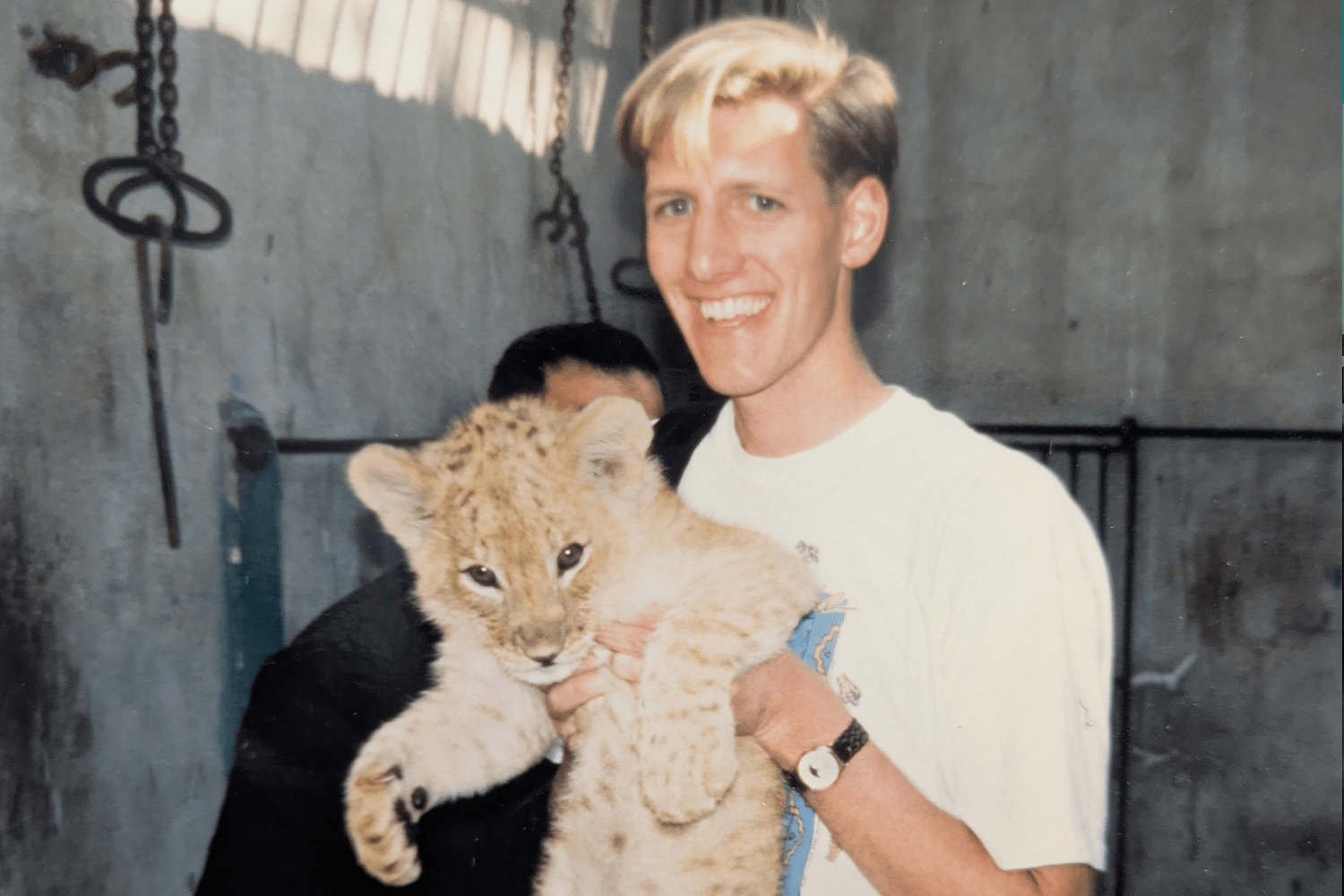
Should I really be holding a lion cub? Two female students in my Arabic study abroad group were already cooing and petting the irresistibly cute, furry fluff-balls. We were at the Cairo Zoo, where I was discovering that for a little baksheesh, visitors could get a lot closer to the animals than back home in the United States.
“Baksheesh” technically means “tip” in Arabic (as well as several other languages), but it’s really a stand-in word for all manner of passing extra money, frequently under the table. Call it a fee, a commission, a kickback, whatever. Feed the giraffes? A little baksheesh. Pet a zebra? No problem. Step into the big cats enclosure and hold a lion cub or two? Just a little more baksheesh.
This concept of paying off-the-books money for otherwise off-limits activities or experiences is rare in the United States. And as a naive college student in Egypt, my first foreign country experience, I soon got annoyed at outstretched hands asking for “baksheesh.” But, thanks to the Cairo Zoo, I also realized that, in the right circumstances, a little baksheesh can open the door to unique travel opportunities.
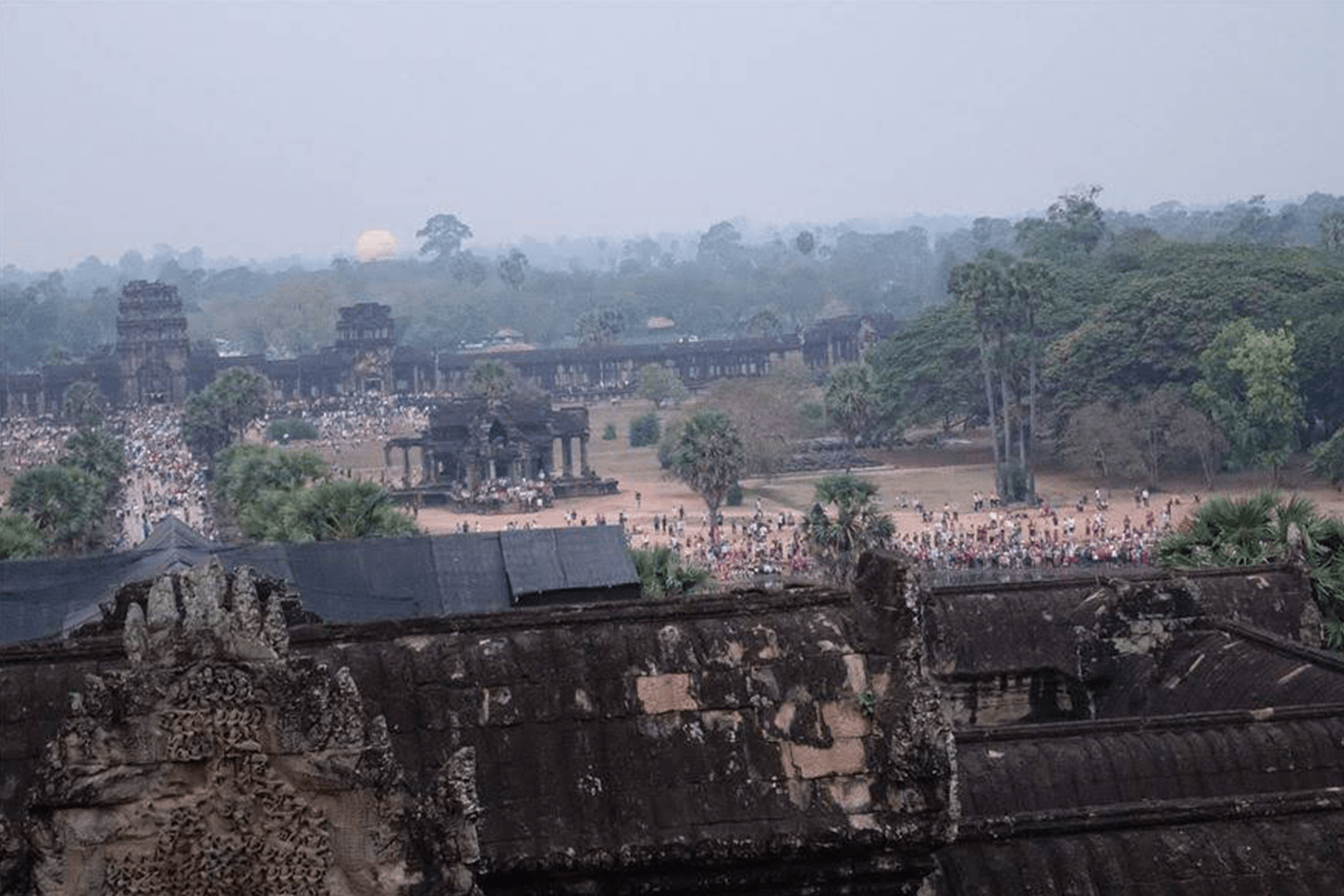
For instance, instead of holding lion cubs, how about exclusive early access to Angkor Wat? I got to the Cambodian mega-tourist site before sunrise along with probably a thousand other eager tourists looking to get iconic sunrise shots of the temple reflected in its foreground pools. Behind the closed gates, surrounded by the jostling tourists and their rickshaws waiting for the sunrise, I wandered around to the back for a different perspective.


The Journey by InsideHook
Join over 100K travelers seeking trip ideas, the latest travel news, and all the inspiration you need for your next vacation.
In the comparatively deserted rear area — the monkeys probably outnumbered the tourists — I was fiddling with my camera when a guard approached and beckoned me and another guy towards him. Some pointing, some smiles and it became clear he’d be happy to let us through the gates before the crowds for a few extra riels.
Random guy and I looked at each other. “Is this for real?” And then, “Why not?” We paid the equivalent of maybe $5, slipped through the gates and there we were, splendid Angkor Wat to ourselves, just before sunrise. We split up — I found some stairs and ascended to one of the upper terraces, just in time for the first rays of sun beaming through carved pillars.
If you’re intrigued, here are some tips for navigating prime baksheesh opportunities. First, I do not advise paying outright bribes or trying to get away with harmful activities. That can lead to serious trouble.
What’s the difference?
- Out: border officials, police or other encounters with the law
- In: bored guards and other amiable day-workers at touristy sites.
Second, separate yourself from the big groups and crowds. You want to make it easy for someone to make you a baksheesh offer. Showing up early or late can help.
Third, stay chill. Maybe someone will approach you. Or you could demonstrate interest in going somewhere behind a locked door or gate. If the initial answer is no, but not a hard no, express a little disappointment. Look a little sad and see if you get a different response.
Finally, check out travel blogs before you go. You will likely find some possible baksheesh scenarios to look out for. Recent example: While researching the fabulous Registan madrasa complex in Samarkand, Uzbekistan, I read a travel blogger’s account of a guard letting him climb a locked minaret in the famous square. “Mm-hmm,” I thought to myself.
Less than a month later, on my final morning in Samarkand, I visited the complex before opening and walked outside the waist-high metal gates, admiring the hundred hues of blue tile and stylized inscriptions. Almost alone in the still-early morning, I paused between buildings, and, would you believe it, a guard casually approached me, pushed open the fence and, pointing to the minaret, asked if I was interested. Accustomed to dickering over prices, I suppressed any delight and feigned just a modicum of interest. “Hmm, I’m not sure. How much?” He offered 50,000.
Thanks to a wildly lopsided exchange rate, 50K Uzbek som was less than $4, and I happily paid it. The guard pulled out an ancient-looking key to open an ancient lock, indicated the winding stairs and then closed the door behind me. “Uh-oh,” I briefly thought, “he’s gonna make me pay more to get out” and “Wow, what a clever scam.” Nowhere else to go, I wound up the stairs, popped out at the top and enjoyed a memorable final view over the deserted Registan.
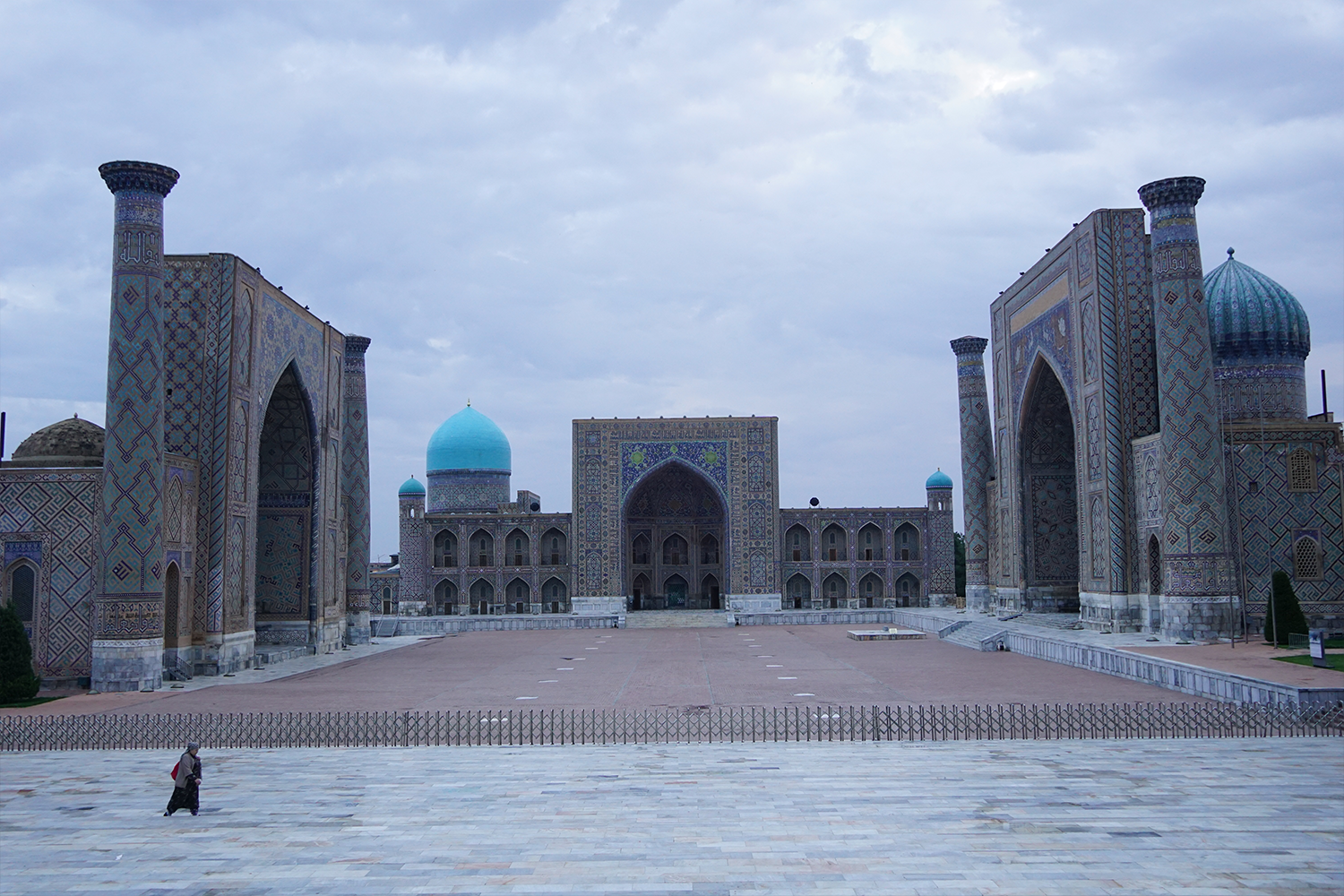
A few minutes later, I slipped out the unlocked door, nodded to the guard (who clearly had no intention of locking me in the minaret) and walked back outside the gate. Another baksheesh experience for the win.
More Like This

This article appeared in an InsideHook newsletter. Sign up for free to get more on travel, wellness, style, drinking, and culture..