
Experiencing a foreign place the way a local does can be treacherous. One minute, you’re innocently smoking hash over Indonesian food in Amsterdam, and the next you’re dodging flares in a soccer riot. But doing as the natives do doesn’t have to mean embracing the extreme.
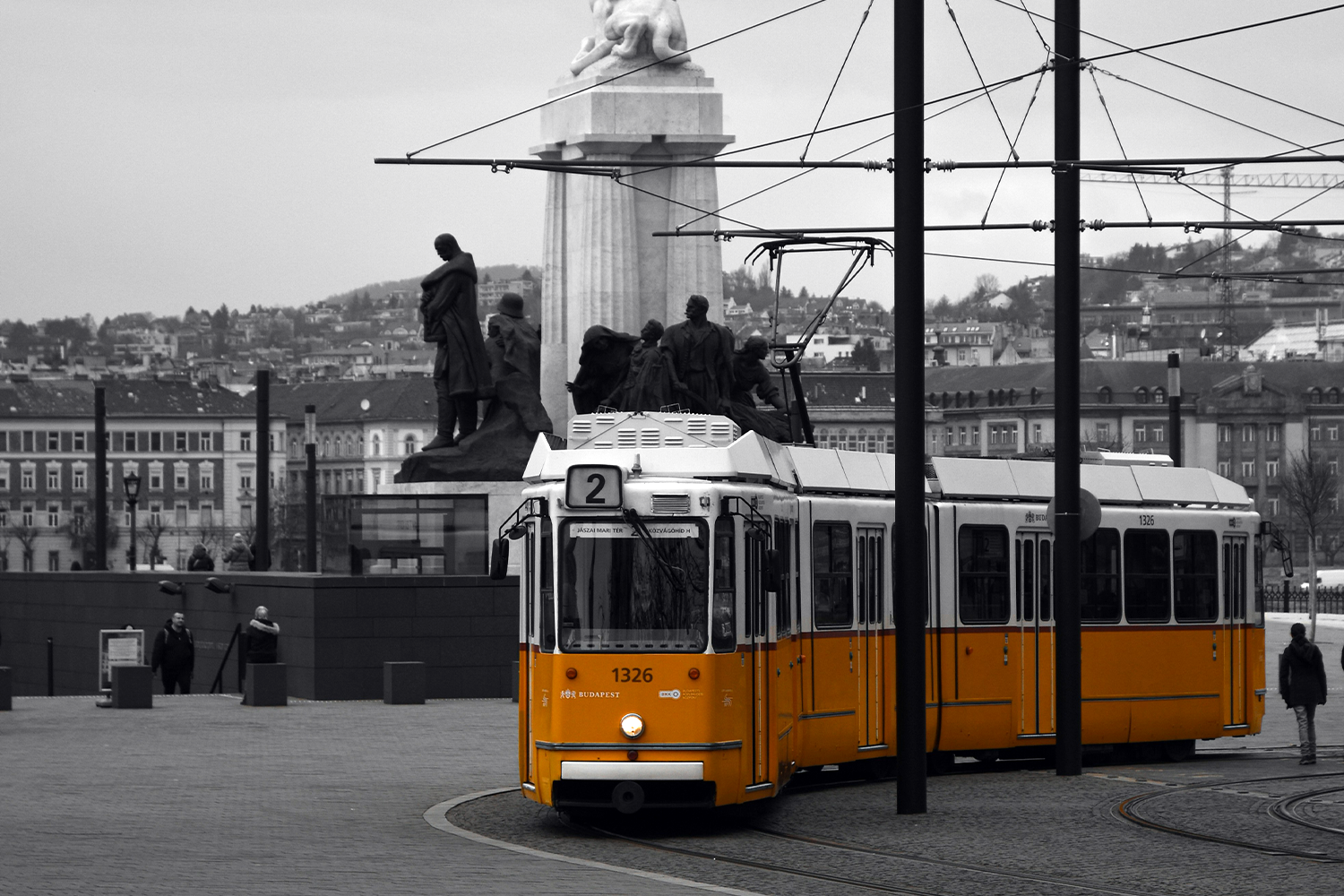
Recently, while planning a visit to Budapest, my various maps apps kept steering me toward the city’s No. 2 tram, which runs alongside many of the sights I hoped to see. Commuter transportation may not ring as a romantic way to see a bucket list city, but Budapest’s most famous tram, which mimics the route of the Danube, may change your mind about travel and shift your idea of what a local experience can mean.
Beyond its steady fixture in history books and modern headlines, Budapest has become a place known for ruin bars and stellar street food. Add that to an arsenal that includes Old World thermal baths and luxurious Danube river cruises, and you’ve got a destination ready-made for stag parties, honeymoons and everything in-between. But hopping on the No. 2 tram at Vigadó Tér near Pest’s city center, I ensconced myself among another demographic — a confederation of locals, including workers trekking to offices, parents schlepping kids and retirees doing their afternoon shopping. I stood out like a clumsy American thumb. Little did I realize the joys of going local that lay on the tracks ahead.
The first rule of traveling like a local is to be prepared. I had neither downloaded the Budapest public transit app nor brought exact change for a ticket, so when a transit officer demanded to see proof of fare about 50 seconds after I’d boarded, my breezy $1.67 trip suddenly became a $15 adventure after he pulled me off the train at the next stop, scolded me and fined me. If travel is partially meant to humble us, well, consider that one accomplished.
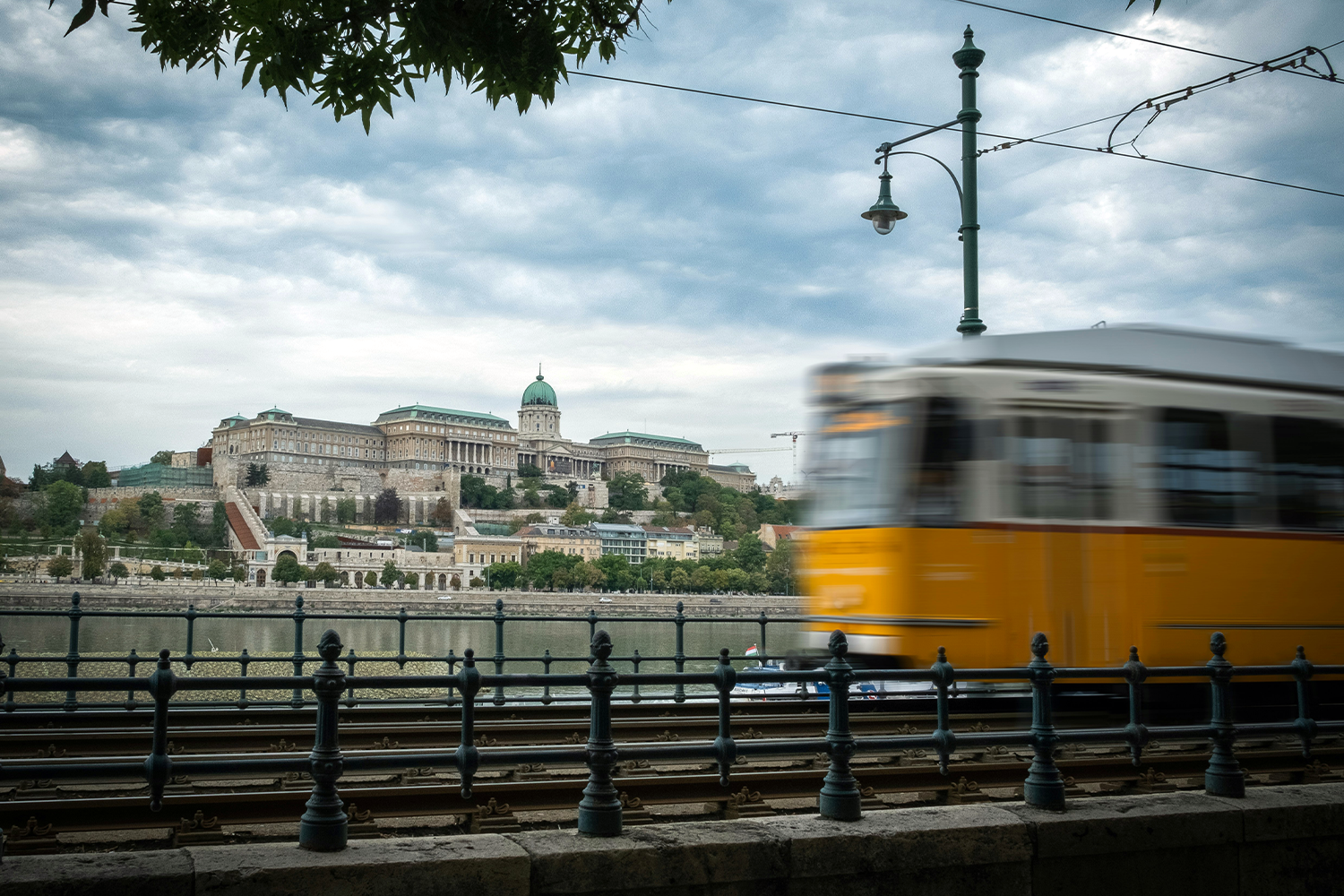
Fortunately, I’d been yanked off the tram at the Eötvös tér stop. I was right at the foot of the famous Chain Bridge, an iconic structure that served as the first physical link between Buda and Pest. I took the opportunity to emotionally regroup after my run-in with the law by taking a 10-minute stroll over the Danube, looking over the skyline of hills and statuary, centuries worth of architectural style on display — baroque, art nouveau, neo-Gothic — while a Duolingo multi-pack of different languages passed me by. The Chain Bridge and the surrounding city light up at night, but on a nice, breezy spring afternoon, admiring the Buda Castle or the dome of St. Stephen’s Basilica offers plenty of daytime magic. Once I reached the Buda side, I stopped for a beer at a rooftop bar with another jaw-dropping view and downloaded the city’s transit app before making my way back across the Chain Bridge to Pest.


The Journey by InsideHook
Join over 100K travelers seeking trip ideas, the latest travel news, and all the inspiration you need for your next vacation.
Now armed with a 90-minute tram ticket, I wandered north toward Széchenyi István tér, the next stop on the No. 2 tram. Before boarding, I took a moment to linger at Shoes on the Danube Bank, the city’s moving monument to the victims of Hungary’s Nazi-aligned militia during World War II. As I waited for the tram, I was joined by a throng of commuters who looked ready to kick off happy hour. A seat with a window view later, we chugged by the river promenade, already jammed with its share of Segways and sunbathers. With the spires of churches dating back to the 13th century as the backdrop, we were back on our way.
If touring the ornate halls of government buildings is not in your travel practice, the tram is your answer to seeing (arguably) Budapest’s most iconic destination, the UNESCO-recognized Hungarian Parliament Building, without the specter of nerve-rattling crowds. Heading north, the path of the No. 2 tram cuts around the Parliament, giving an elevated and close-up view of its hulking dome and dramatic stone facades. Even as the other less-impressed passengers had settled in their phones or conversations, I could see the balcony where, in 1989, the birth of the Hungarian Republic was announced to the crowds in the square as the Soviet Union collapsed. Best of all, I wasn’t on the sidewalk below, packed with a flurry of tour groups, selfie assemblies and vape smoke.
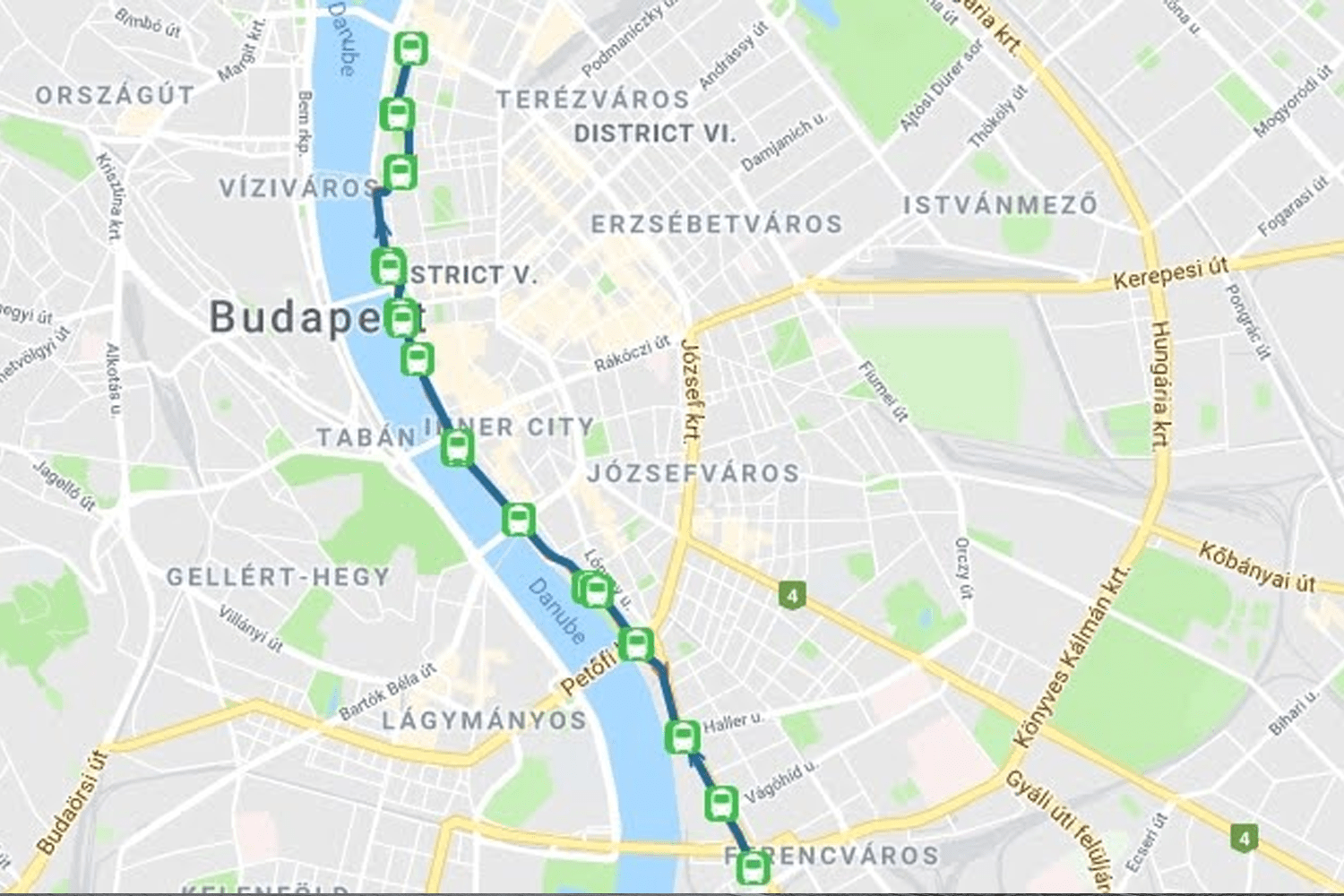
After the Parliament, the tram began to empty out as we hit a more residential pocket of the city. Parks and squares grew substantially chiller with dogs and small family meet-ups. The end of the No. 2 tram spits you out at Jászai Mari tér, near a park with a statue of Imre Nagy, the former Hungarian prime minister who was executed for his role in leading the 1956 uprising against the Soviet regime. The end of the line is a classic choose-your-own-adventure moment. There’s a bridge path to Margaret Island, Budapest’s lush and sprawling Danube oasis with trails, a zoo, gardens and open-air pools. Or you could venture east back toward the squares, art museums and grand houses that line Andressy Avenue, the city’s response to Paris’ Champs-Élysées. I chose neither and instead walked north into Újlipótváros, a residential neighborhood with little shops, sidewalk cafes, bookstores and Flippermúzeum, a museum devoted to pinball machines with vintage editions dating back to the 1940s.
After a street snack of deep-fried lángos (a definite must), I hopped back on the tram for the trip back down along the Danube with families heading into the city center for late afternoon activity. Riding all the way to the end of the line, there would be new landmarks to ogle like the Palace of Arts and National Theatre. I would hop off to visit the city’s famous Great Market Hall, with its endless stalls of hanging sausages, tchotchkes and souvenir bags of paprika. There I was firmly back among my fellow tourists which, as it turns out, is a fine place to be. A few easy tram rides across the city had been an invitation to not overcomplicate things, which we all know is way too easy to do while traveling.
More Like This

This article appeared in an InsideHook newsletter. Sign up for free to get more on travel, wellness, style, drinking, and culture..