

A drink known as “fire water” isn’t the first thing that comes to mind when talking about sophisticated drinking. But in the case of Colombian aguardiente, it’s time to change that perception.
“Aguardiente” is a generic term for any number of spirits made in Latin America, but in Colombia, it specifically refers to one made from sugarcane and flavored with anise. The spirit has a long history in the country, dating back to at least the 18th century. But until recently, it was almost impossible to find in the United States outside of Colombian restaurants.
Part of that has to do with aguardiente’s reputation: People expect it to taste, well, fiery. And by and large, the aguardientes that are widely consumed in Colombia are inexpensive spirits intended for shots. Historically, there wasn’t a culture of refined sipping, and until recently, there wasn’t even a culture of choice. Colombia’s government tightly controls alcohol production, and each region of the country had its traditional brand that could only be sold there. Lack of competition meant little need for differentiation based on flavor, quality or other factors.
But that’s changing. A new wave of producers has sprung up in the last few years, inspired by aguardiente’s rich heritage and the craft cocktail boom. And the government recently loosened restrictions so that brands can be sold nationally, not just in one place. The up-and-comers, who until this point have focused on export markets like the United States, are poised to usher in a more elevated drinking culture, feeding the blossoming category even more.
Ricardo March is the cofounder of Bacan Guaro, a newer aguardiente brand that puts the focus on quality ingredients and transparency. “Aguardiente is the expression of Colombian culture, flavors and colors,” March says, explaining that he would like to collaborate with the country’s other producers to establish a Geographical Indication (GI) for aguardiente. “Guaro” is Colombian slang for the spirit. “I’m working to legalize the word guaro as the appellation,” he adds.

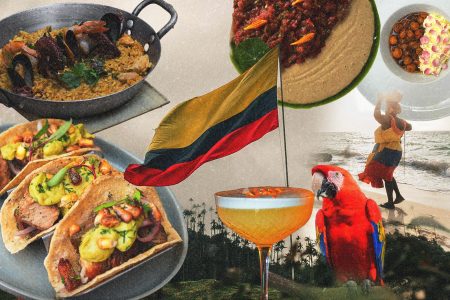
The Top Foods to Eat in Bogota and Where to Find Them
From arepas, boñuelos and empanadas to upscale restaurantsBut he has a long way to go. Misunderstandings about aguardiente abound, reinforced by a long-insular industry, says Gabe Urrutia, professor at the Chaplin School of Hospitality & Tourism Management at Florida International University. “There’s no conversation, no investment in telling people about the spirit beyond drinking it as shot,” he says. “They don’t want to talk about ingredients and other things. That sets back the category.”
But the new movement is starting. Bacan and its ilk, which emphasize mixability, quality and transparency, are gaining shelf placement and popping up on high-end cocktail menus. “People used to be ashamed to put aguardiente on their bar because the bottle was ugly and the product burned — they didn’t feel proud,” March says. “Now every time I see my bottle in a bar, I think we’re going in the right direction.”
Below, the fundamentals of aguardiente’s production and flavor, tips on using it in cocktails, and high-quality brands to look for.
How Is Aguardiente Made?
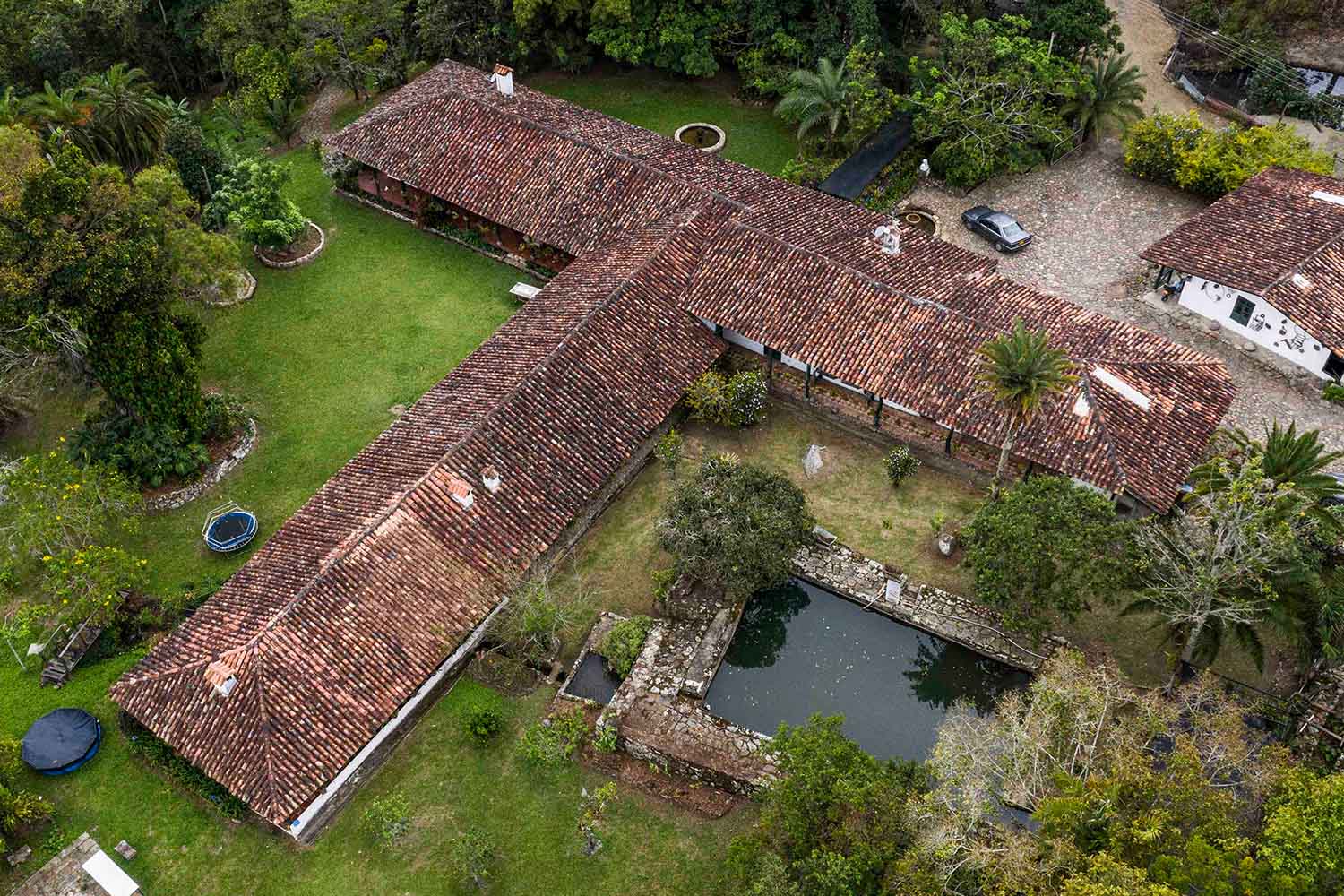
Colombian aguardiente has two main ingredients: sugarcane and anise. Most of the long-established brands use a base of neutral spirit distilled from molasses, blending it with anise flavoring and, often, sugar. Newer producers, like those listed below, emphasize ingredient quality and provenance, usually distilling from cane honey (concentrated sugarcane juice) or fresh cane juice. They then infuse the spirit with star anise or blend of anise extract and water, leaving it unsweetened.
What Does Aguardiente Taste Like?
Although some traditional aguardientes have added sugar, those that are best for cocktails are completely dry. The base sugarcane spirit has a soft texture and clean flavor. The anise note is striking, though its intensity varies from brand to brand.
What’s the Best Way to Drink Aguardiente?
In Colombia, aguardiente is almost always consumed as a shot. Walk into any bar, restaurant or nightclub, and you’re likely to see a bottle of aguardiente on every table, with people freely pouring and shooting it back.
But increasingly, aguardiente is being regarded as a serious cocktail ingredient, especially in the United States. Its relatively light alcohol content, which typically ranges from 24% to 35%, dovetails with the growing low-ABV cocktail trend. New brands that emphasize higher-quality ingredients and eschew added sugar provide a solid base for sophisticated drinks. And aguardiente’s anise flavor, clear but usually quite subtle, lends the type of unique note that isn’t found in other types of spirits.
How to Use Aguardiente in Cocktails
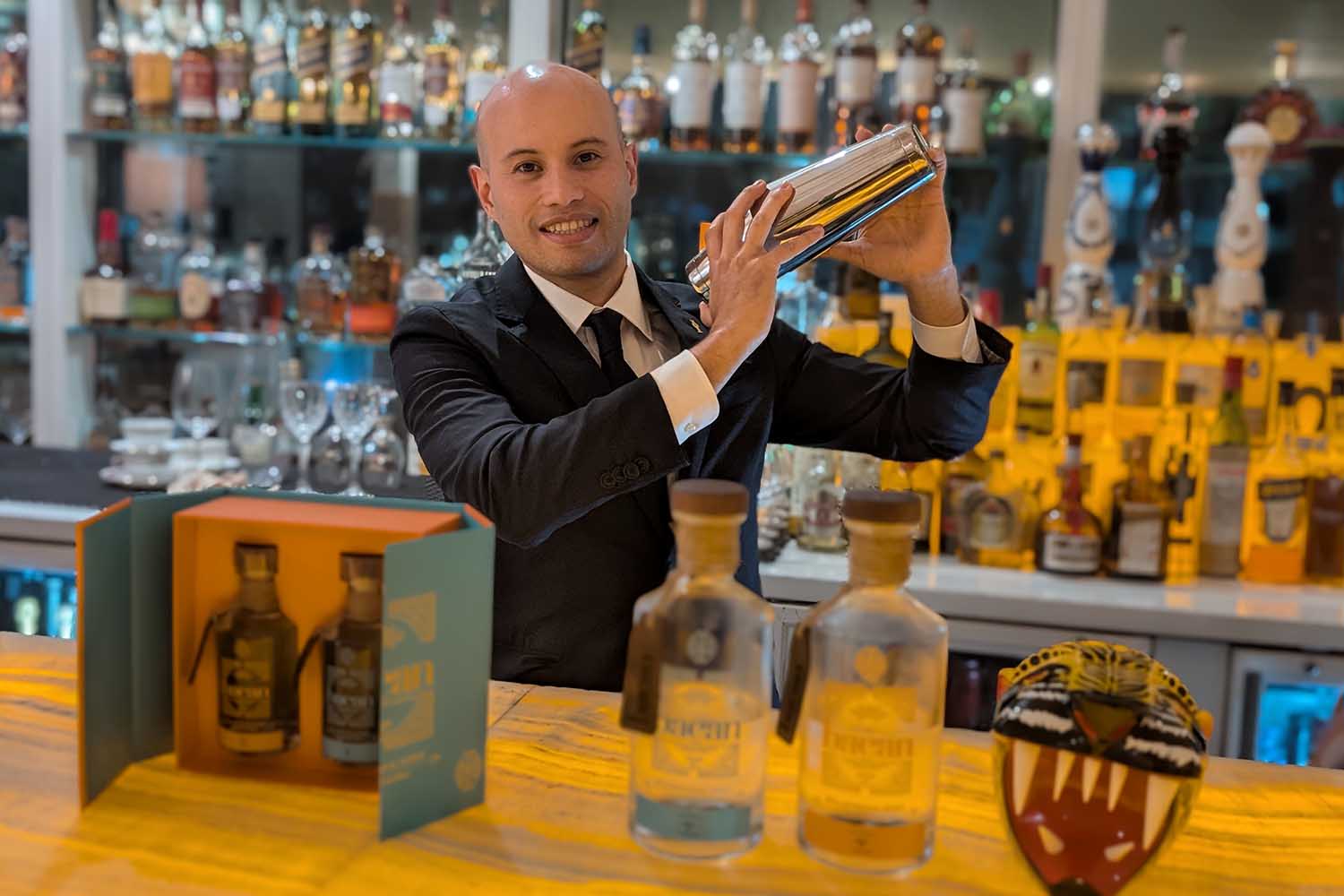
According to Diego Otalvaro, mixologist and sommelier at the Michelin-starred ElCielo in Miami, aguardiente is an incredibly diverse cocktail ingredient and a staple in his bar. He has swapped it in as the base spirit in classics like the Martini and Old Fashioned, but he also uses it in original creations, often featuring tropical fruits like mango, papaya and tamarind. (It also works well in a Mai Tai.)
Otalvaro recommends that at-home mixologists try a few simple but flavorful applications:
Watermelon compress: Cut watermelons in various shapes and place them in a container, then soak them in cool aguardiente and refrigerate for two hours. You can also add yuzu and simple syrup to taste. “The result is a delicate flavor that combines the freshness of the watermelon with the sweetness and spiciness of the anise,” Otalvaro says.
Champaguaro: Combine Champagne and aguardiente in equal parts, served in a flute. Both brut and brut rosé Champagne work well, as do other dry sparkling wines.
Carajillo: Mix a shot of espresso with aguardiente and sugar to taste for this typical Colombian afternoon drink.
Aguardiente Brands to Try
Oddly enough, some of the best aguardientes haven’t been for sale in Colombia itself until recently, thanks to the complexities of the country’s liquor laws. Instead, many of these brands — which put quality and mixability at the forefront — were originally intended for export, including to the United States.
Bacan Guaro: Founded by a Colombian and her Spanish Italian husband, Bacan’s base spirit is actually distilled in Brazil where organic sugarcane is more accessible. The aguardiente is made from certified organic ingredients and kosher, a step that ensures the entire process — down to cleaning the equipment — is controlled by the brand. Bacan comes in two strengths (24% and 29% ABV) and is blended with distilled star anise from Spain.
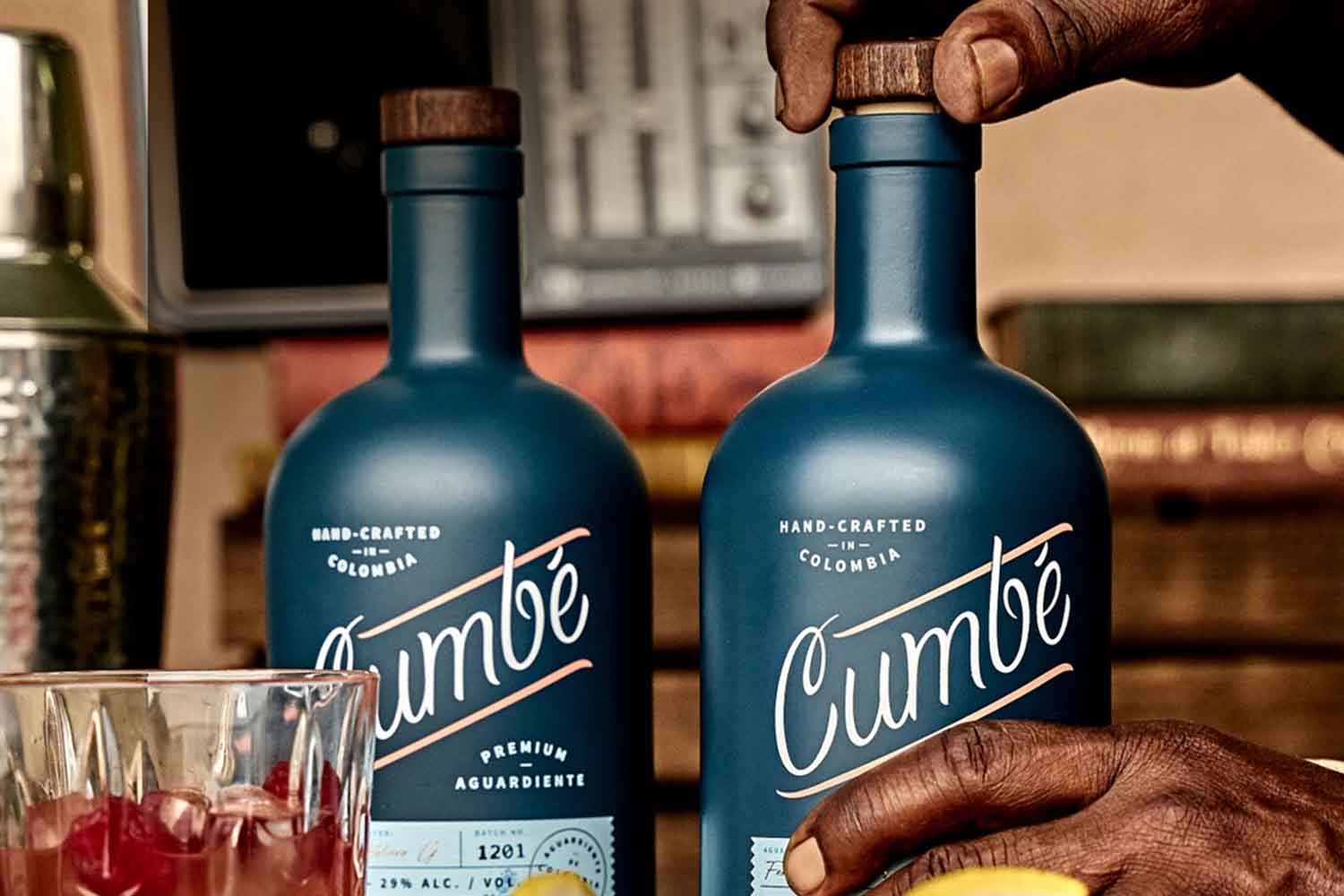
Cumbé: Distilled from sugarcane grown in Colombia’s Cauca Valley, the 29% ABV Cumbé undergoes barrel-aging. This process is unusual for aguardiente but a nice bridge into the style for drinkers accustomed to brown spirits. Production is overseen by José Fernando Botero, a veteran of the country’s spirits industry who also holds the Guinness World Record for hosting the largest aguardiente tasting.
Desquite: The Licores Artesanales Distillery, located at La Carlina Hacienda in San Francisco de Sales, is the rare aguardiente producer that does everything on-site, even growing some of the sugarcane it uses. Desquite has two variants (the 28% Artesanal and 38% ABV Tradición) and is distilled from both organic cane honey and fresh cane juice.
More Like This


We're always on the scene eating, drinking and traveling near and far to bring you the best of what's happening out in the real world. Sign up for IRL now.