
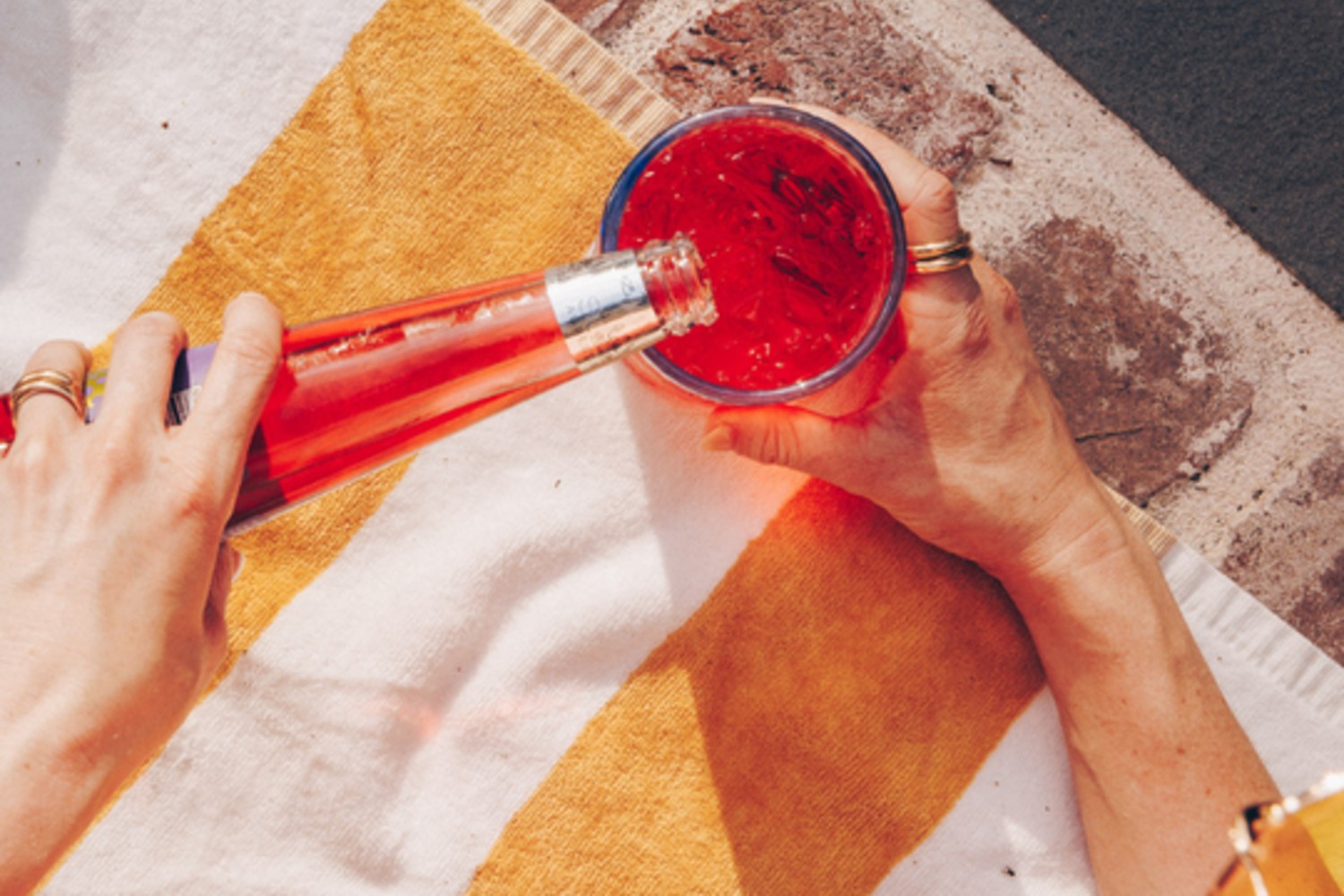
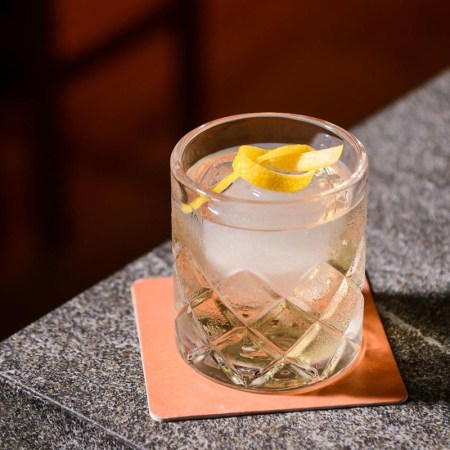
Compared to a decade ago, it’s a lot easier to find non-alcoholic spirits on the shelves of a grocery or liquor store near you. More importantly, it’s also a lot easier to find good non-alcoholic spirits on those shelves, and one of the best out there comes from Brooklyn’s St. Agrestis. That’s the Phony Negroni, the signature beverage in a lineup that also includes a number of variations on that theme, as well as some more traditional (which is to say, containing booze) spirits.
What is the next step for the Phony Negroni? Apparently, new ownership. This week, The Wine Group announced that it was purchasing the Phony Negroni brand and would add it to its vast lineup. In a statement, The Wine Group’s Chief Marketing Officer, Helen Kurtz, explained the appeal of the acquisition.
“The Phony Negroni lineup is vibrant and compelling, delivering outstanding product quality and staying true to the traditional cocktail experience,” Kurtz said. “We’re excited to scale the brand to reach more consumers while preserving what makes it special.”
What’s interesting about the official announcement is that this doesn’t read like an overall acquisition. Instead, the press release states that The Wine Group “acquired the popular Phony Negroni non-alcoholic beverage line from St. Agrestis.” The announcement also states that St. Agrestis’s founder and the company’s leaders “will remain involved in the business for the near term.”

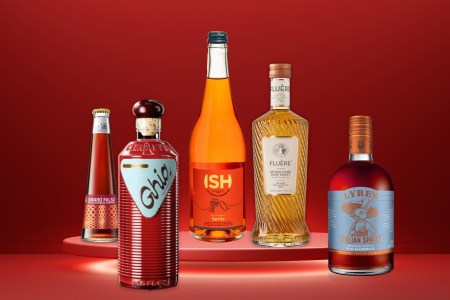
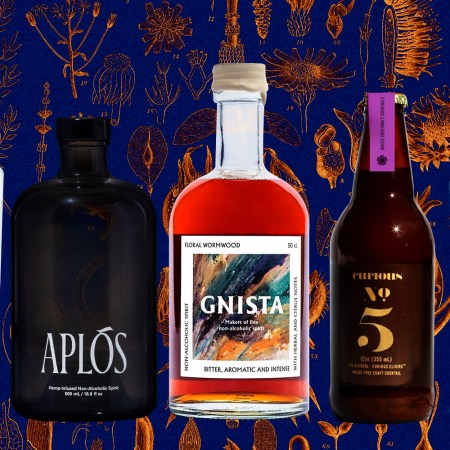
The Best Non-Alcoholic Spirits for Dry January and Beyond
Booze-free spirits and canned mocktails have come a long wayVinePair’s Stephen Bradley, who initially reported the story, has more details on what to expect. Notably, Bradley does describe the maneuvering as an overall acquisition of St. Agrestis, writing that the company’s leadership will remain in the picture “for six to 12 months.” One year is also how long production will continue in the existing Brooklyn facility before — presumably — shifting to a larger scale.
The deal also covers St. Agrestis’s Amaro Falso; as for the fate of the distillery’s other beverages, that remains to be seen.
More Like This

We're always on the scene eating, drinking and traveling near and far to bring you the best of what's happening out in the real world. Sign up for IRL now.