
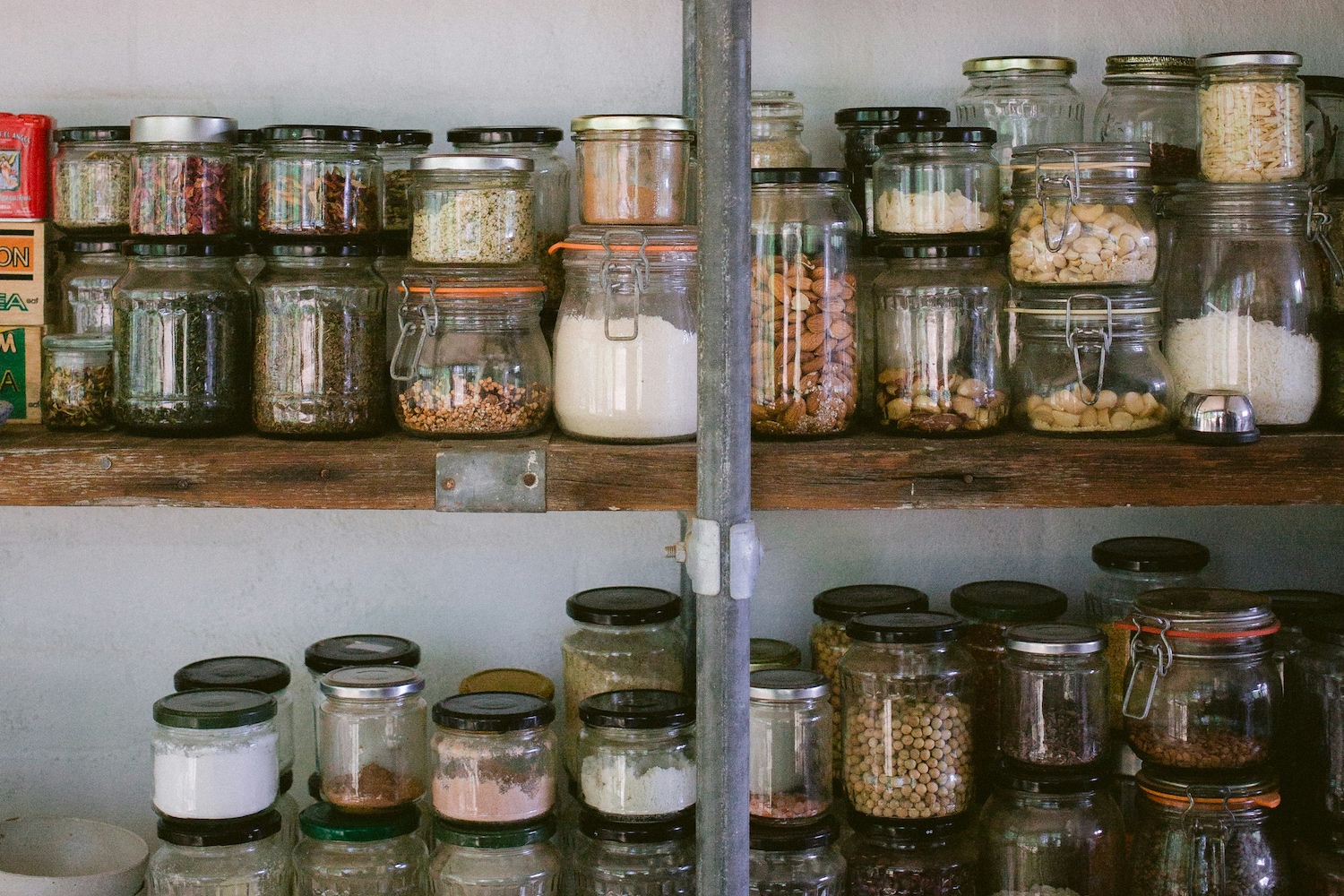
What’s the pride and joy of your kitchen? A Japanese knife set? An air fryer with presets for steak and pizza? These days I’m most smitten with a humble, 16-ounce mason jar.
Contained within the jar is an ochre dust that looks like organic matter — but it’s actually a medley of hemp seeds, flaxseed meal, chia seeds, slivered almonds, sunflower seeds, cinnamon and coconut bits. It’s my gut health jar, which I based on a viral video by integrative nutrition coach Alexis Lahner. Her “diversity jar” helps her eat over 30 different plants a week.
A dietitian named Tim Spector is credited with originally popularizing the concept; speaking to Food & Wine earlier this year, he said: “It’s essentially a homemade mix of plant ingredients — think nuts, seeds, spices, dried herbs, grains, and even pulses — that you can sprinkle onto meals to boost the diversity of plants in your diet.”
To get started, all you need is one (admittedly pricey) grocery run for shelf-stable ingredients, and an empty jar. From there: just dump ’em all in there and shake the jar each day. Spector says you only need a spoonful at a time, which I sprinkle atop my morning skyr, along with fresh blueberries, dried cranberries, a chopped banana and a drizzle of peanut butter.
I’ve done intermittent fasting, smoothies, more conventional breakfasts…but this works for me, offering more energy and less GI stress. And crucially: it introduces more plants to my microbiome than I might otherwise consume days at a time.
How to Eat More Fiber — Without Spending More Money
Only 5% of American men meet daily fiber recommendations. Here’s how to join them.Gut Diversity and Life Expectancy
Most of us are familiar with the short-term signs of an unhealthy gut: stomachaches, gas, fatigue, trouble sleeping, food cravings, weight fluctuations, even mental health woes. But there are some serious long-term concerns to consider, too.
According to a study published in 2019, unhealthy microbiomes “have been linked to different chronic conditions such as obesity and type 2 diabetes.” Down the line, an imbalanced gut even correlates to “frailty, inflammation and neurodegenerative disorders such as Alzheimer’s disease and Parkinson’s disease.”
Not great. But one of the best defenses against poor gut health? Good gut diversity. That same study found that a group of nonagenarian and centenarian Chinese adults possessed a more diverse gut microbiota than younger adults. After cross-referencing their research with similar cohorts from Italy and Japan, the authors concluded: “More diverse and balanced gut microbiotas are present in healthy, long-living people.”
Get Yourself a Gut Health Jar
To be clear: if you’re looking to diversify your gut, you should start by eating more plants, fiber and fermented foods — and by limiting sugar, alcohol and processed foods. Putting a jar on your kitchen counter won’t magically solve the problem on its own. You still have to eat real food.
But one new, focused habit has the potential to launch two or three more. If you go to the trouble of making a gut health jar — and faithfully use it — you’ll put yourself in a good headspace to make healthy decisions throughout the rest of the day.
As I mentioned earlier, that initial grocery run hurts. Seeds and nuts are often pricey due to global supply chain costs. It can feel a little silly, at the outset, to spend so much on eight bags that look exactly the same. But they last an extremely long time. And again, all you need is a little bit each day.
As for what to put in your jar, do you. I can’t even taste the end product, if I’m being honest. It’s more of a texture than a flavor, once all those individual ingredients have been mashed together. For that reason, I’ve found the jar encourages even more diversification. Turmeric? Sure, I’m not driving. Whatever keeps my gut happy for the long haul ahead.
More Like This




Twice a week, you'll find guinea pig features, personal essays and expert interviews on living better — for however long you’re here. Subscribe to Champ now.