

For many guys, bathroom aesthetics, products included, were long something of an afterthought. Get on with your business: shower, shave, out. A drugstore razor, some generic hand soap, clinical-looking toothpaste, nondescript jars tucked inside the medicine cabinet. Nothing needed to look particularly good. It just needed to work.
And that’s fine; the washroom and all its accouterments are functional by nature. But men’s grooming, as you know, isn’t what it was a few decades ago. The products became more effective, the formulations more sophisticated and increasingly, the packaging and presentation much more stylish. Guys began treating what sits beside the sink or in the shower with the same consideration given to the rest of their home: That is, as another expression of personal style.
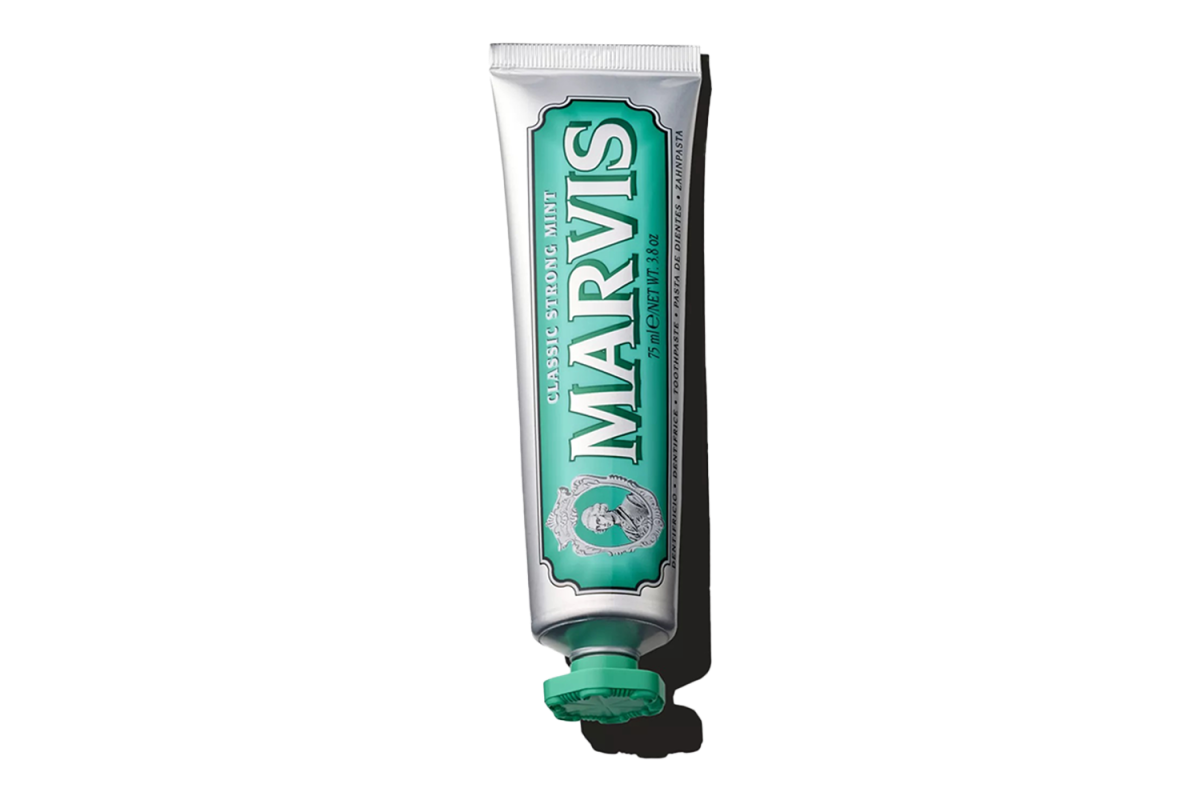
Now, it’s a handsome hand wash by the sink, a cooler-looking toothpaste (what’s up, Marvis?), a well-crafted razor and stand, a moisturizer you don’t mind on display, maybe even a diffuser or candle for good measure. The tiled afterthought has become more curated with a vibe all its own. So, when and why did the bathroom become one of the best-dressed rooms in the house?
How We Got Here
There wasn’t one exact moment when style made its way sink-side, but certain brands had been nudging things in that direction for years. “Aesop is probably one of the clearest examples,” says Charlie-James Taylor, co-founder at 1996Comms. “Over the last decade or so, something as basic as a bottle of hand wash became almost a status symbol within the bathroom. You’d see it sitting proudly by the sink in interiors and on Instagram, rather than being something purely functional that nobody thought about.”
Then came the pandemic, which Taylor believes accelerated things. Suddenly we were spending a lot more time at home, and everyday routines took on more significance. “The bathroom became a bit of a sanctuary,” he says. A well-crafted grooming product could make an otherwise mundane part of the day feel “more considered and enjoyable.”
And, as with most things, social media kicked the aesthetic shift into overdrive. “Our desire to share everything on social media has turned the bathroom into its own performance piece,” says Adam Hurly, grooming expert and founder of Blue Print by Adam Hurly. By then, bathroom shelves, sinks and medicine cabinets were filling up with better-looking products, many of which were popping up across the good ol’ feed. There was more reason to think about what stayed visible and how it was displayed. Whether we were doing it for ourselves (hopefully) or for the ‘gram (it is what it is), what we put in the bathroom had become part of what gave the room its aura, as they say.


Grooming Products as Design Objects
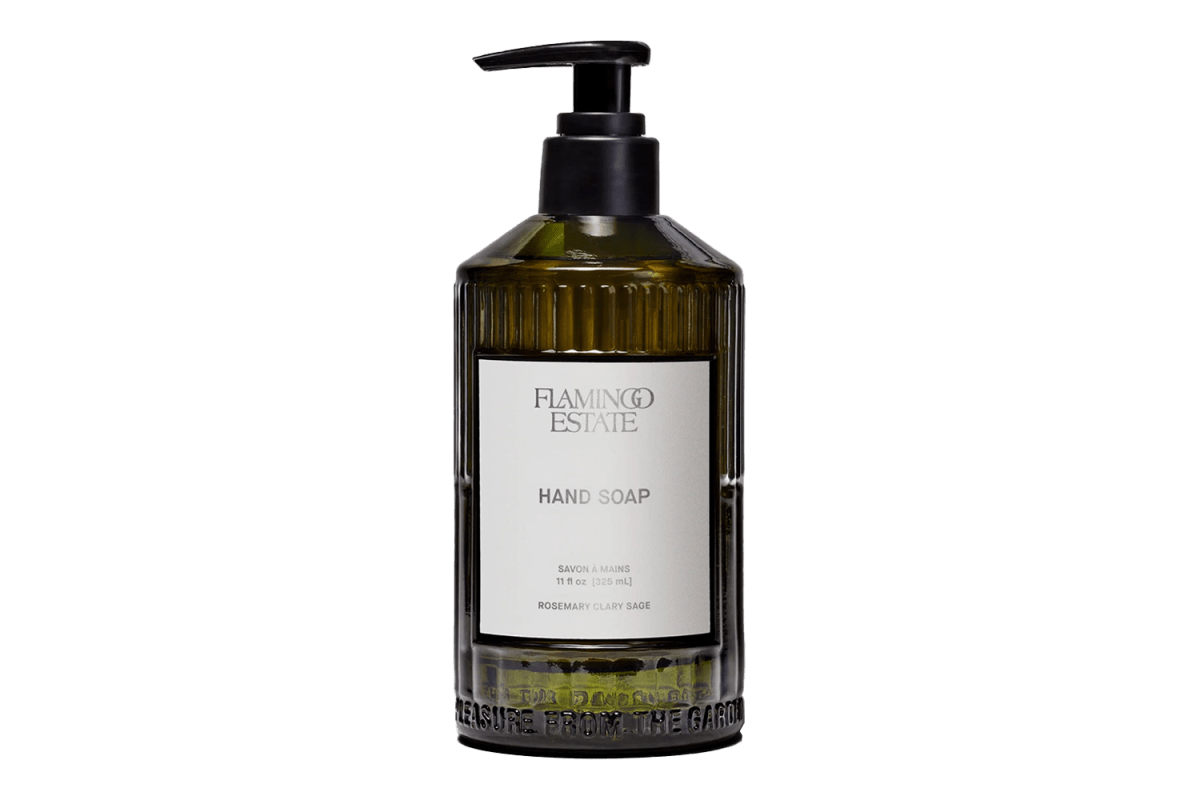
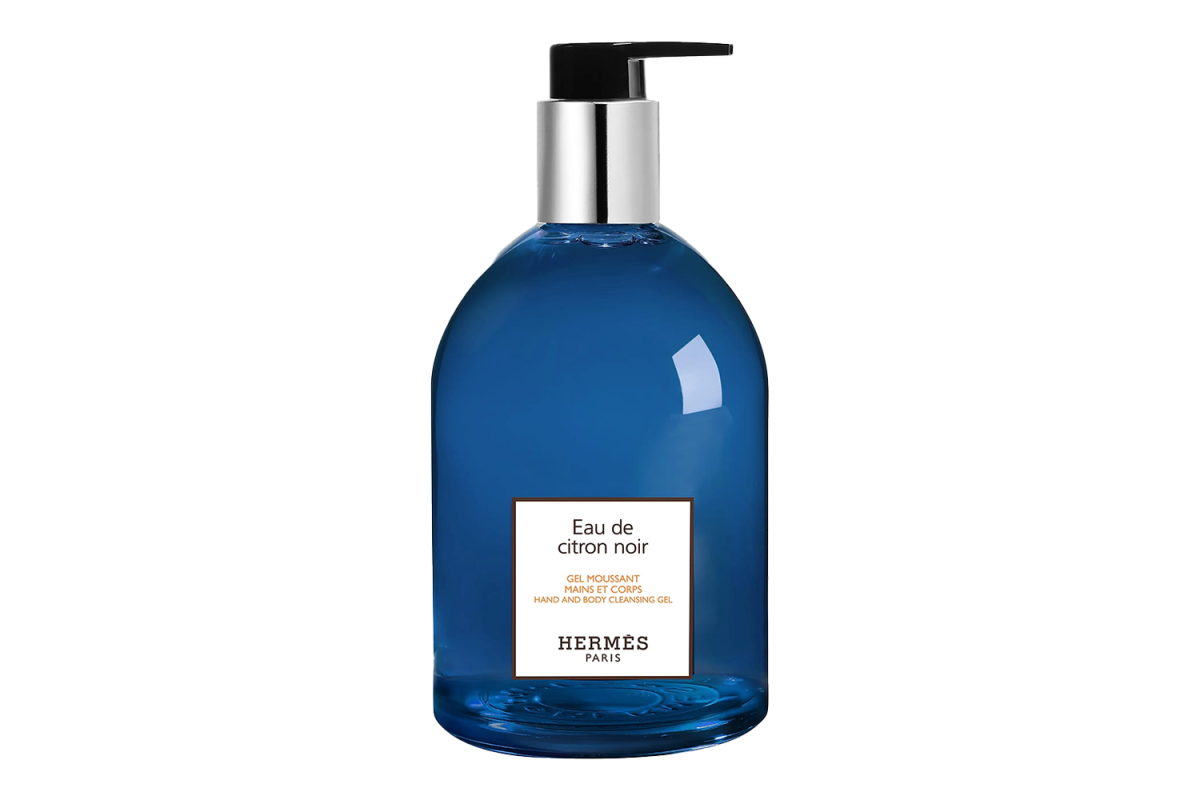
Of course, the actual grooming products helped drive this design-savvy evolution. Brands like Flamingo Estate, Wonder Valley, Bathing Culture, Church California, JackFir, Patricks and Selahatin, and even drugstore staples are making everything from shampoo and soap to toothpaste and moisturizers look like something you’d actually want to leave out. And in an increasingly crowded grooming market, that can make a difference. “The formulation may ultimately create loyalty, but the design is often what creates the initial desire,” says Taylor.
Still, style must meet substance. “If a soap looks luxe but dries out my hands or the label peels off, then I might feel cheated out of that money,” Hurly says. “And no design will keep me buying again.” I.e., these grooming products should be as effective and satisfying to use as they are to admire.
Your Bathroom Has a Unique Style, Too
Your bathroom can reveal quite a bit about your personality, too. Case in point: My apartment is an incense-scented mélange of records, neatly organized old books and mid-century furniture. I wouldn’t go so far as to say my bathroom is an exact reflection of all that, but, well, it sort of is. I dig good design: a well-made chrome-handled razor, a cool-looking hand soap, an apothecary-esque toothpaste. The various grooming products feel like they belong to the same guy who curated the records and picked out the vintage rugs.
Hurly sees much of it the same way. “Ultimately, the brands you bring into your life are a reflection of your priorities,” he says. “If you care a lot about your own presentation, there’s a good chance the brands you stock also care about their own.”
Taylor adds, “There are often plenty of products that can broadly do the same job, so for a certain guy who really cares about taste and style, he wants those products to integrate into the rest of his life, whether that’s his clothing, his fragrance, or his home.” The living room has its books, art and furniture; the bathroom has its soap, razor and skincare. It may be the more unassuming room, but both tell you something about who lives there.

An Easier Room to Dress Up
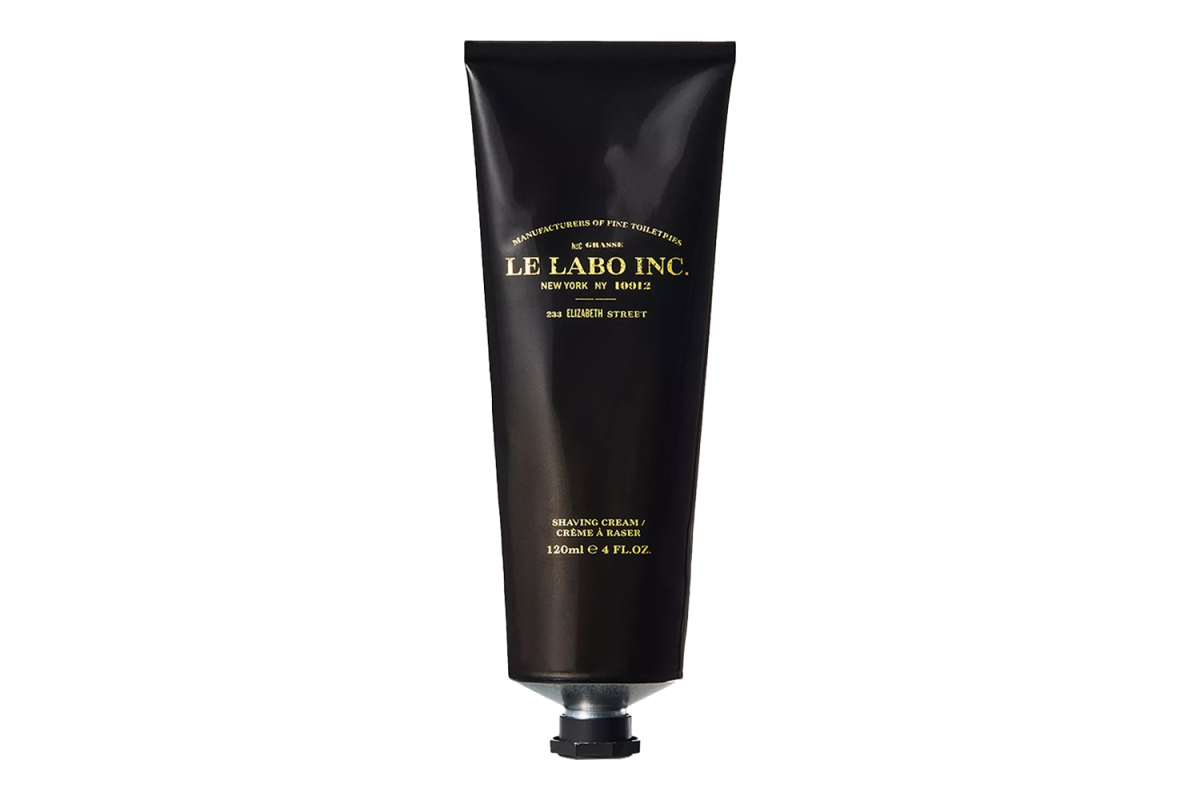
The good news: You don’t need to gut-renovate your bathroom or spend a ton to give it some personality. In fact, Hurly argues that good-looking grooming products can bring some individuality to otherwise generic spaces. “Every bathroom looks the same these days,” he says, pointing to spaces that are often “produced at scale and rather charmless.” “These nice products are a way to bring personality and art into a wet room.”
No new tile, fancy lighting or expensive vanity required. Something as simple as a more-considered hand soap or shave cream is enough to make your routine a little better and give the room a little more character, too. The bathroom didn’t just get better stocked. It got stylish.
More Like This


This article appeared in an InsideHook newsletter. Sign up for free to get more on travel, wellness, style, drinking, and culture..