

For a show about the future of technology, I sure walked a lot.
This week I spent four days in Las Vegas at CES, the annual consumer tech trade show held in the seemingly infinite-sized Las Vegas Convention Center, along with additional spaces at the Venetian Expo and in several random hotel suites and ballrooms across the city.
You can attend CES and leave with whatever agenda you want: AI is terrible, AI is the future, there too many companies dedicated to robot lawn mowers, etc. My goal was simpler: Find a few new products I liked, suss out some trends and try to define our next year in technology through the lens of a conference attended by pretty much every major tech company in the world (well, except for Apple).
Given that we’re a lifestyle publication, I also wanted to see how these trends would translate into everyday life. Do you need smart glasses? Should your fridge offer personalized recipes? Is my self-driving robotaxi going to crash at this intersection? (Vegas traffic is bad.) Why are there so many AI companions, and why are most of them creepy?
Below, a few things I discovered during my tech sojourn in the desert.
Note: I want to give thanks to Qualcomm for inviting me to be their guest at CES 2026. All experiences were hosted but no additional compensation was received.
AI Is Literally in Everything, So Get Used to It
Samsung has pretty much staked its future on AI connectivity. At its CES event, The First Look, the theme was “Your Companion to AI Living.” Essentially, AI will be front and center across almost every Samsung product, be it televisions (which now can help you, say, find recipes from shows you’re watching), screen-enabled refrigerators (which can recognize food items and help with meal planning) and even your laundry (your clothes now have fewer wrinkles, thanks to Bespoke AI AirDresser!).
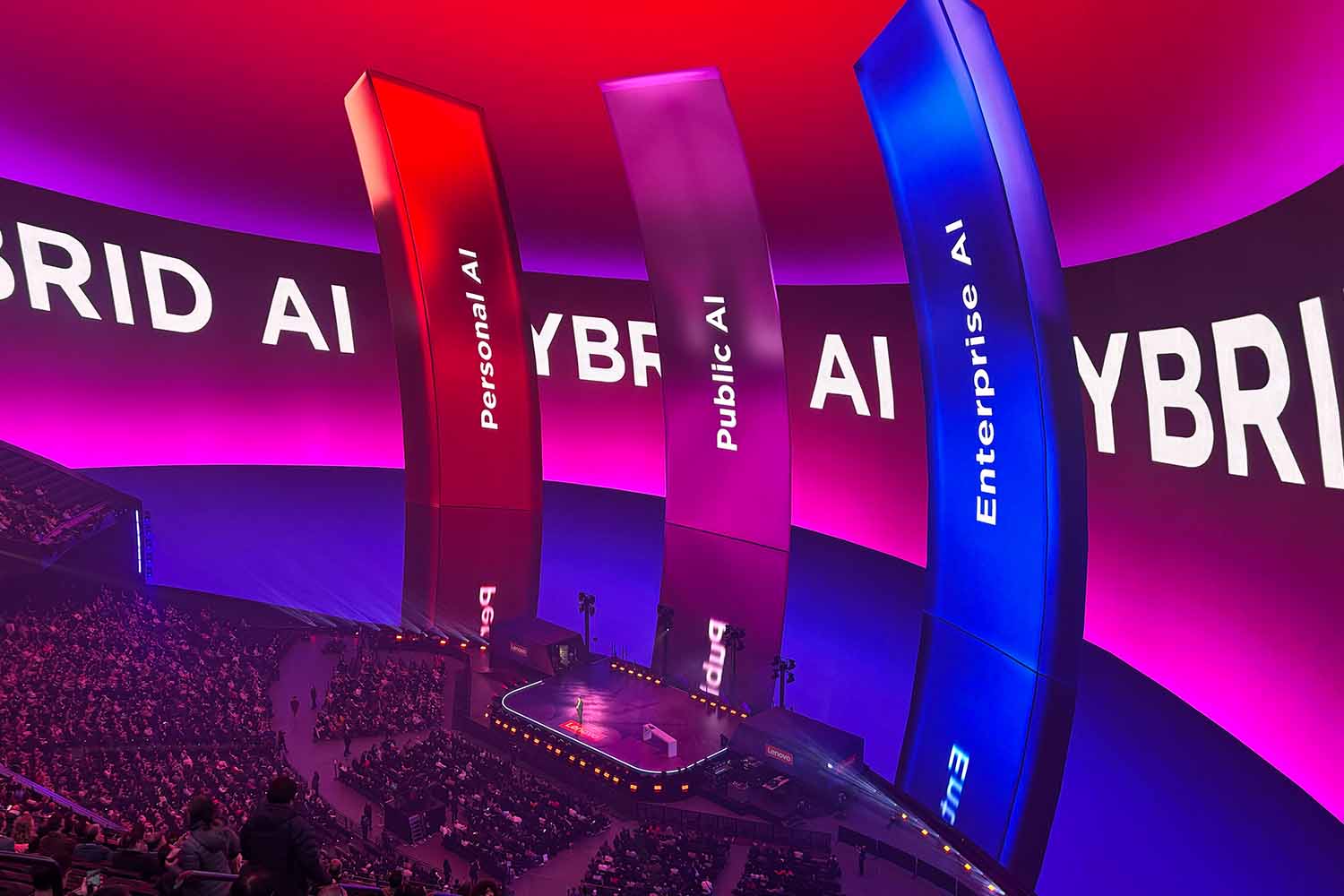
It looks like there won’t be any monolithic, Google-like winner in the AI battle, at least for now. Lenovo used its (impressive) presentation at Sphere to discuss the concept of Hybrid AI, which would be, in part, more personalized and proactive but also working across a myriad of AI models. “This is what we call intelligent model orchestration and is the foundation of any AI Super Agent,” said Lenovo CTO Tolga Kurtoglu. “It enables an AI agent to access a pool of specialized models, identify the best one for the user’s need of the moment, and optimize performance — maximizing security, minimizing latency and reducing compute cost.”

20 Trends That Will Define the Lives of American Men in 2026
We assembled our panel of experts. Here are their predictions for your dating life, your wardrobe, your fitness regimen and more.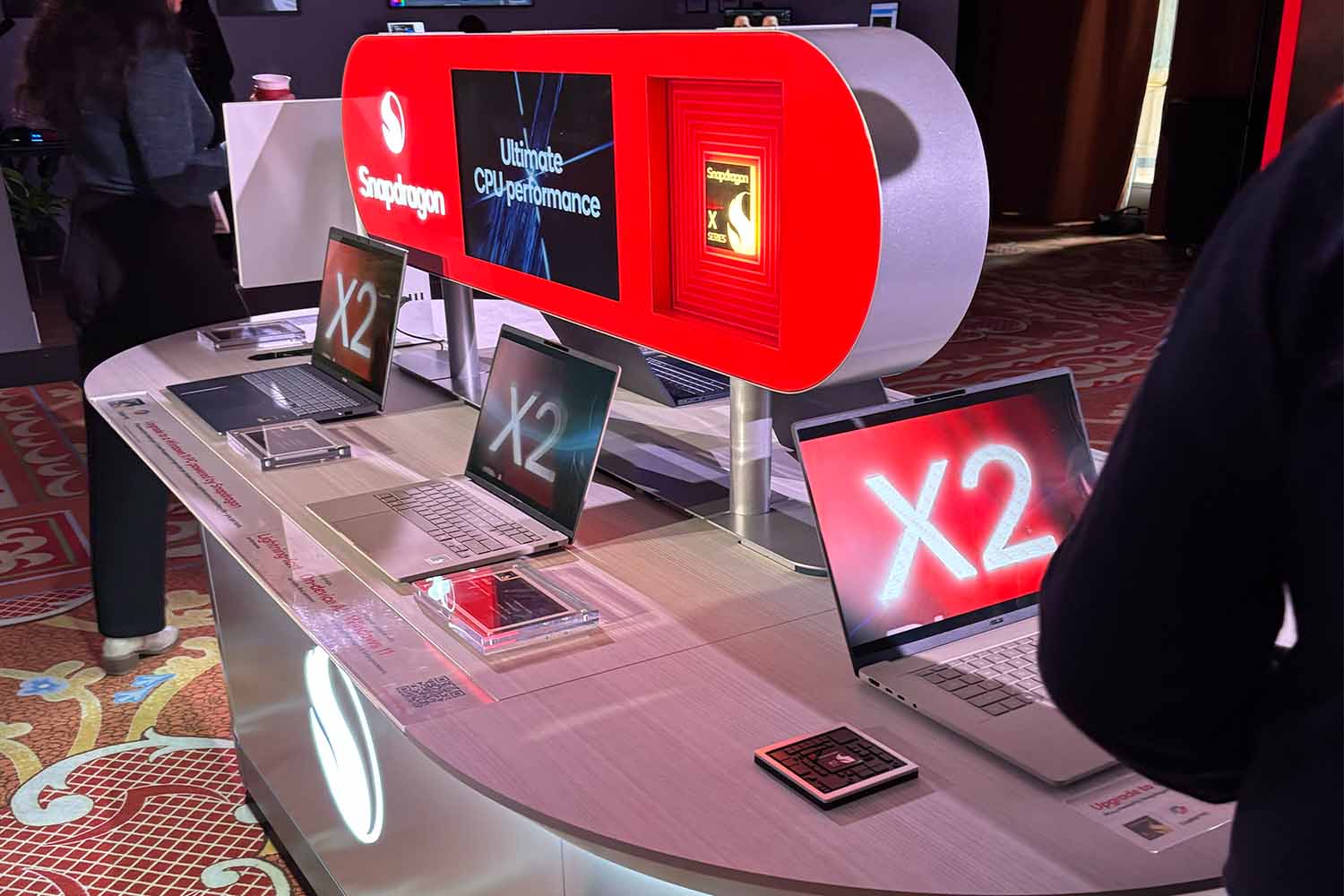
All That AI Is Going to Need a Lot of (Local) Power
The key to improved AI might be living on your laptop. For example, Qualcomm introduced Snapdragon X2 Plus, a chip designed to radically improve AI performance, battery life and multitasking on Windows 11 Copilot+ PCs. Their idea? Moving more of the AI processing from the cloud to your local devices. In our AI future, consumers will probably need to start paying attention to phrases like “80 TOPS NPU” when shopping for a laptop (basically, that number is a speed rate for how many AI-related calculations a processor can do each second; 80 is a very high-end rate).
Your TV Is Getting a Multi-Letter Upgrade
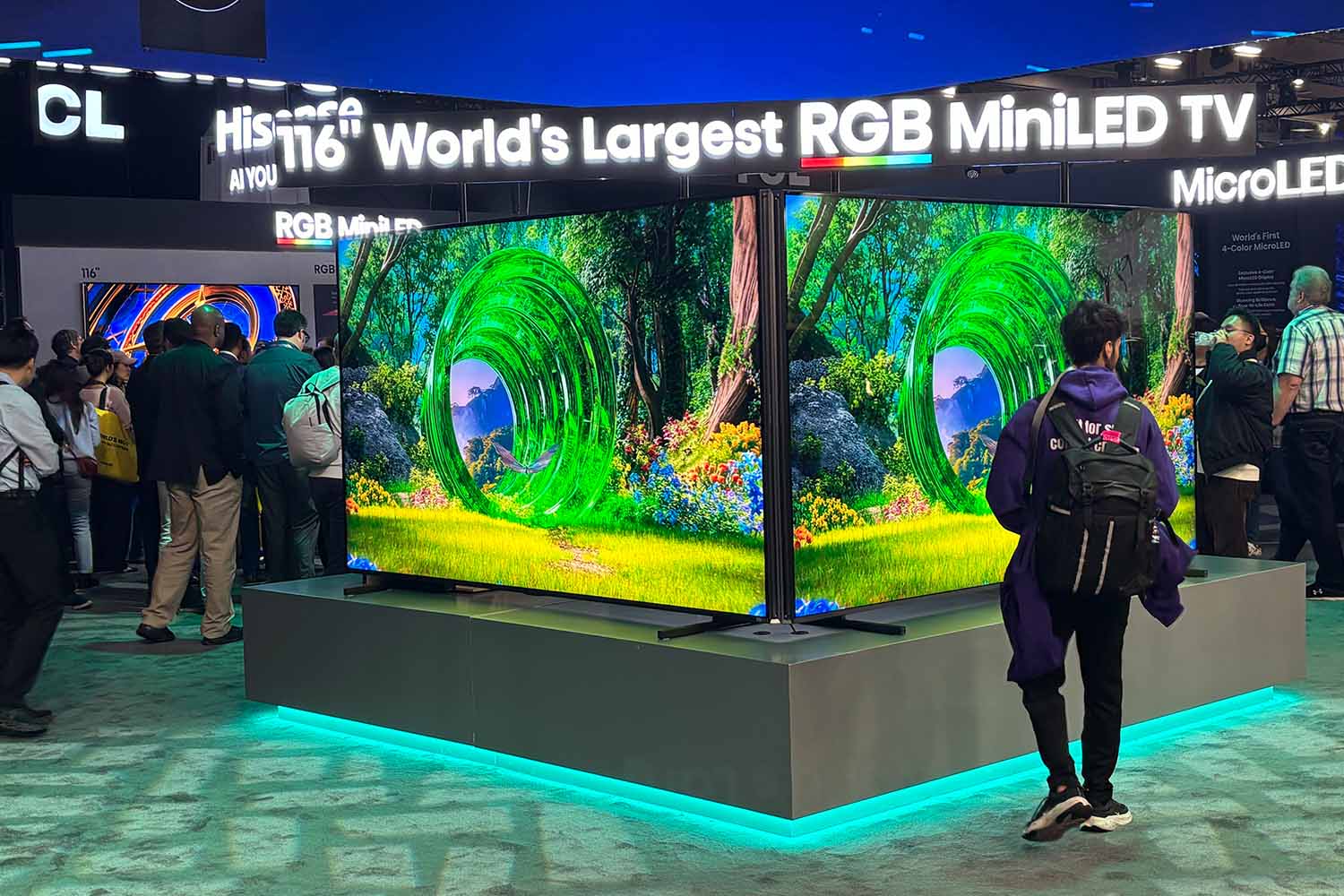
In the midst of frameless outdoor TVs, a myriad of sets that double as digital art frames, and ridiculously thin (and wireless) displays, there was a whole new screen alphabet debuting at CES. Samsung was touting Micro RGB, including a new 130-inch unit. TCL was promoting SQD (Super Quantum Dot) Mini LED. And Hisense unveiled RGBY MicroLED. Seriously, WTF? In a nutshell, this is all advanced display tech that works particularly well in larger units. Without getting too technical, the advantages here are brightness (Micro RGB), color (SQD) and range (RGBY MicroLED), but honestly, these new screens excelled in pretty much every area except affordability — these are mid-four-figure units.
(Sort of) Driverless Cars Are Inevitable
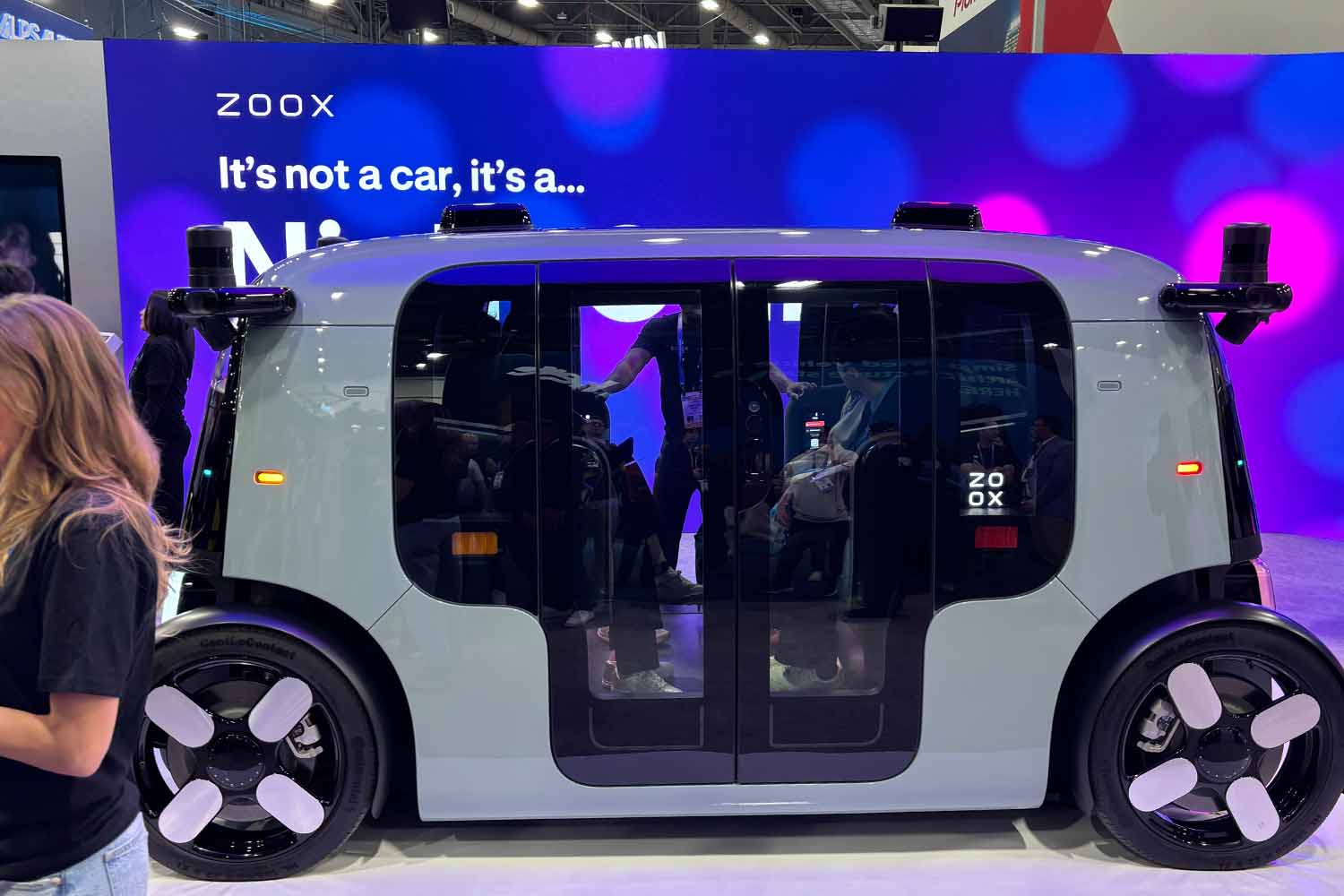
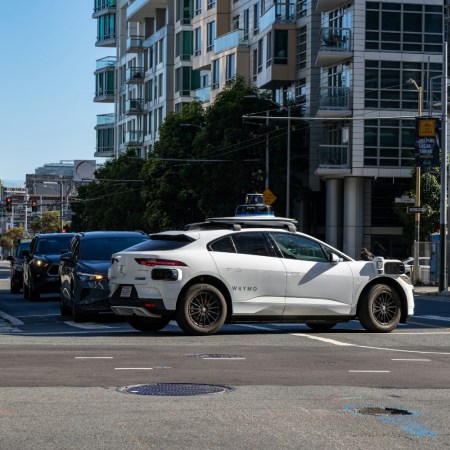
“I’ll be out of a job in three years,” my Uber driver admitted on Tuesday night, right after our car passed by a Zoox, an increasingly popular line of robotaxis from Amazon that were all over the Vegas streets (and at the convention itself). They’re not retrofitted cars but more like mini-trolleys that are bi-directional and lack a steering wheel. Uber (with Lucid and Nuro), Hyundai, Ford, Vay and others also made some announcements in the autonomous driving space, with the interesting note that not all the tech on the road will be entirely “driverless” — it could mean anything from remote human drivers (Vay) to more of an emphasis on Level 3 autonomous driving, which allows vehicles under specific conditions to drive themselves.
Smart Glasses Finally Stopped Looking So Dumb
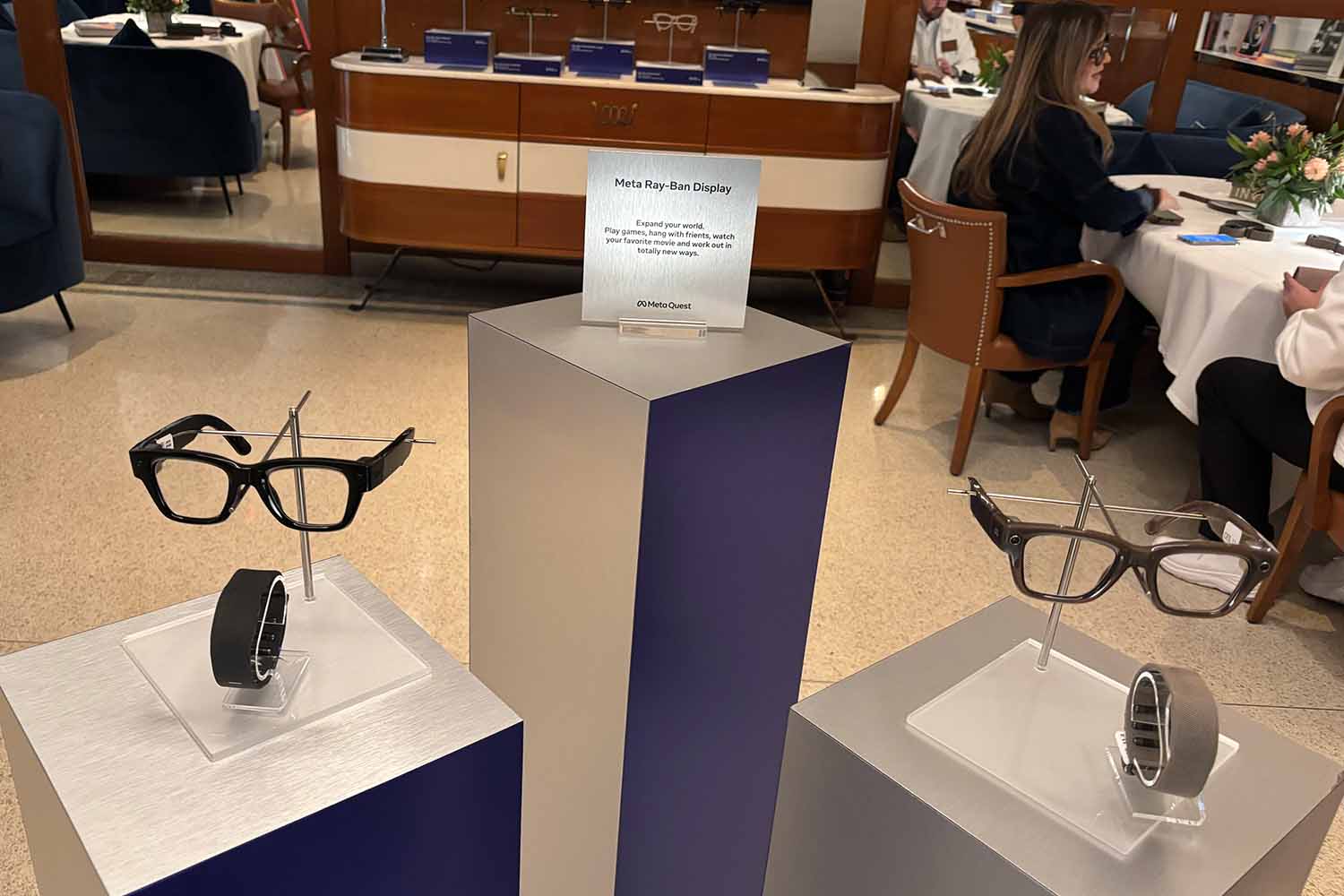
I was talking with a rep for Meta about their second-gen Meta Ray-Ban glasses when I suddenly realized they were wearing the product. That’s how far we’ve come in a few years with this AI/AR/XR eyewear, which (depending on the model) is great for taking photos and video, giving directions, instant translation, teleprompts, taking calls and listening to music. Rokid, GetD and Solos were other brands that had smart lenses that looked pretty much like everyday frames and not like the monstrosities from even a few years ago. Now that the design and practicality have improved, let’s all work on the ethics. (Note: I used a first-gen version of the Meta Ray-Bans to shoot some images while walking around the convention; in this case, I feel like I was operating in a safe space, particularly since I was focusing more on the products than people).
CES Thankfully Stayed Weird
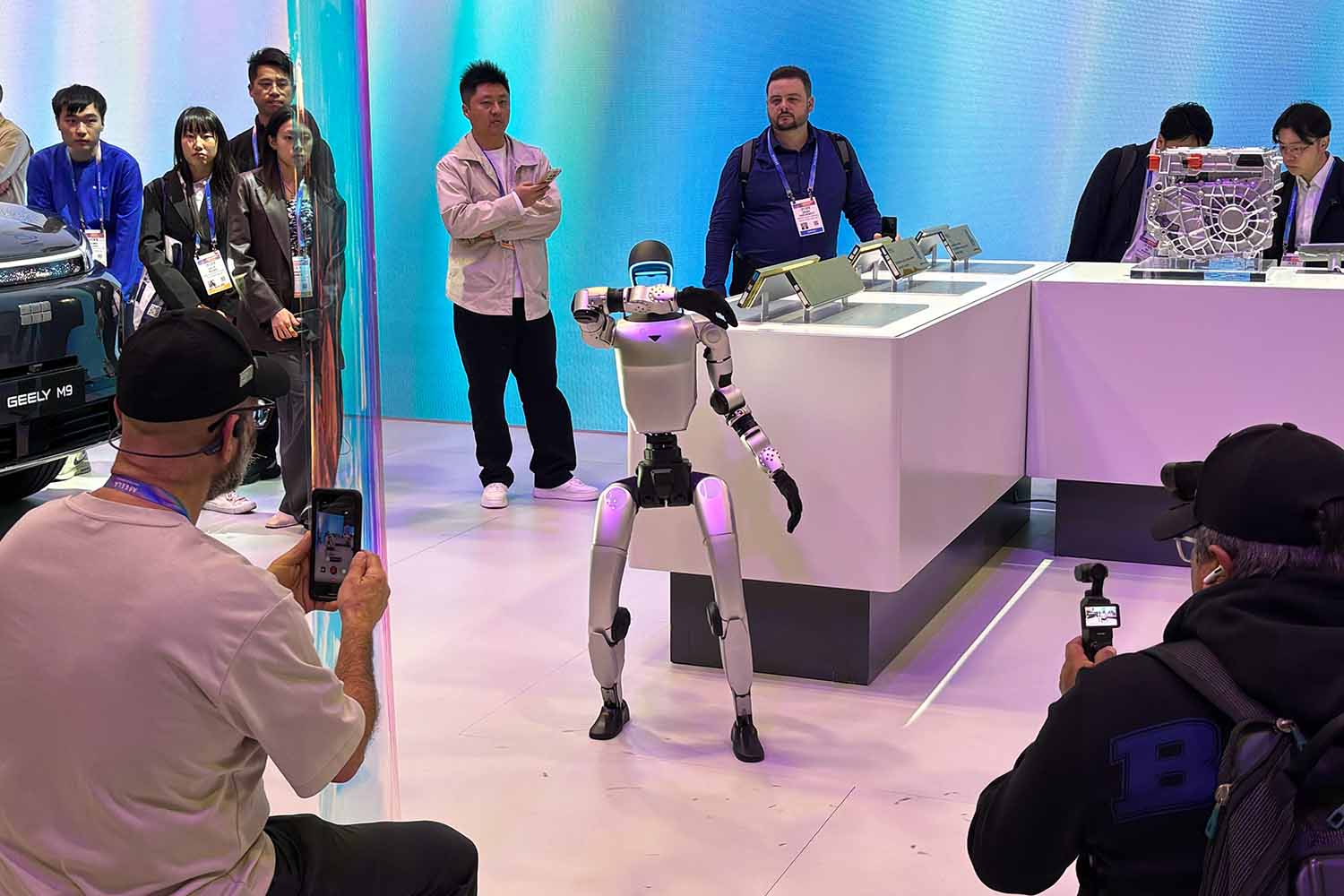
What’s CES without a little strange tech? Outside of the barrage of AI “companions” (mainly creepy toys), I saw dancing robots, over-ear headphones that twist into a portable speaker, near-silent leaf blowers using aerospace propulsion tech, home laundry robots and many, many exoskeletons. Which, after walking an average of 25,000 steps per day, I certainly appreciate.
More Like This

This article appeared in an InsideHook newsletter. Sign up for free to get more on travel, wellness, style, drinking, and culture..