
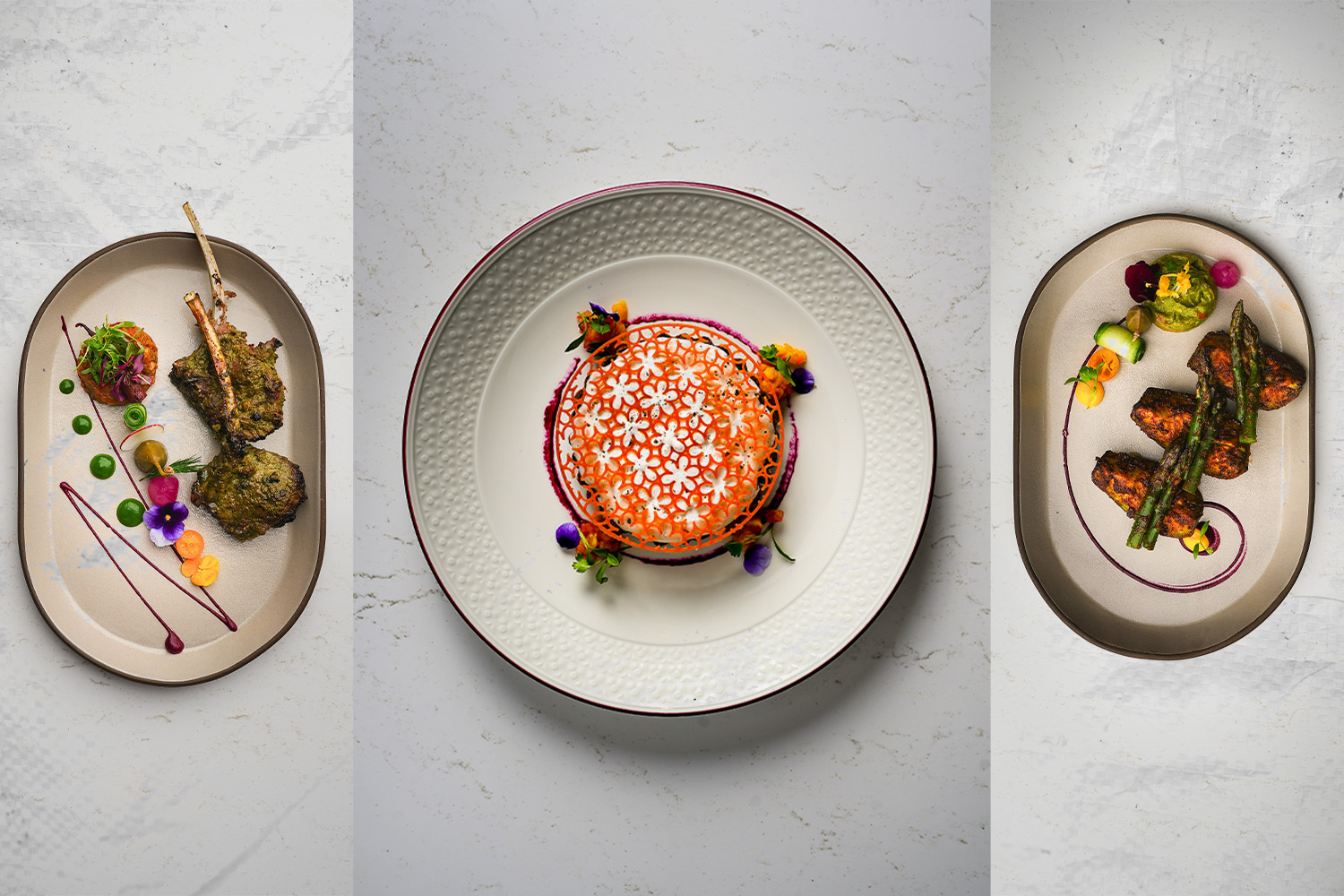
I’m the type of diner who will eat pretty much anything. The only problem is that I’m burdened by some annoying dietary restrictions, which means I can’t actually eat everything. Still, I’m open to different cuisines, flavor combos, ingredients and preparations. I can’t say the same for some of my most frequent dining companions — if there’s only one or two things they like on a menu, they won’t want to eat at the restaurant.
This plight of mine has become more troublesome thanks to a phenomenon that seems to have taken root across the restaurant world: shorter menus. Sure, the pandemic initially drove a lot of restaurants to shrink their menus for financial purposes, but chefs have kept them this way for reasons that go beyond the bottom line.
“Initially, some of that shift may have been influenced by the pandemic, supply-chain instability, labor shortages and the need for tighter operational control,” says Danny Lledó, head chef and owner of Xiquet in Washington, D.C. “But beyond that, I think the movement towards smaller menus reflects something more intentional.”

Survival of the Smallest
Big national chains and small independent restaurants alike struggled during the pandemic, though the latter were obviously hit much harder. One way to stay afloat was to minimize the number of ingredients purchased and pare down menus to make things easier on reduced staff.
“That reset made chefs realize we didn’t need 35 dishes to be successful,” says Max Centauro, executive chef at New York’s Seirēn. “What started as survival became strategy. Leaner menus are more efficient, more consistent and often more profitable.”
Other chefs see this trend less as an intentional strategy, and more an outcome of a sort of culinary Darwinism.
“I don’t think restaurant menus are necessarily getting smaller,” says Andy Quinn, executive chef and owner of The Noortwyck in New York. “I think the success rate of restaurants with small menus has probably risen in relation to those with larger menus. I feel chefs have had to become more focused in what they serve for a bunch of reasons — maybe to stand out a little more but definitely to help make their kitchens and operations more efficient.”
As such, some chefs, like Abhshek Botadkar of Long Island’s Bhaijaan, saw this change begin even before the pandemic.
“Having opened and consulted on more than 100 restaurants globally, I’ve seen a clear shift toward tighter menus,” he says. “The pandemic accelerated it, but the move was already happening. Operators realized that smaller menus improve efficiency, consistency and cost control.”
The Most Overrated Food Trends, According to Chefs
“Uni, truffles, caviar — these ingredients used to be special,” laments one executive chefFewer Dishes, More Room for Creativity
I get choice paralysis all the time. Whether it’s ordering at a restaurant or narrowing down the sights I want to see on vacation, it’s a fact of life. For chefs, having fewer options means they can dig deeper into flavors and the opportunities afforded by specific ingredients, unlocking the creativity that eventually ends up on your plate.
“[Smaller menus] give us space to develop dishes with more precision,” says Nigel J. Lobo, chef and partner of Arizona’s Indibar. “When you’re not managing 40 items, you can think more deeply about balance, texture and spice.”
Fewer dishes mean chefs can modify them more frequently, too, which could be a pro or con for customers, depending on who you ask. “A smaller menu is easier to change, especially with the seasons, so you can be more nimble,” says Michael King, Arlo Hotels executive chef of Sungold and NoMad Diner in New York. “It also allows you to focus. You can really fill a niche and be creative within each section rather than trying to do too many things at once.”
“When you’re not stretched across dozens of dishes, you can refine each plate more thoughtfully,” Lledó adds. “Sauces are more developed. Garnishes are more purposeful. The kitchen operates with clarity.”
Do Smaller Menus Benefit the Diner?
When it comes to menus, one size doesn’t fit every diner. Some people want multiple pages of dishes. Others will order the same dish no matter what because when they find something they like, they stick to it. Others relish the chef narrowing things down for them, preventing the aforementioned choice paralysis.
“As a diner, it limits your options,” says Christian Hernandez, chef of Houston’s Barbacana. “This can be unfortunate for more adventurous diners who like to see diversity on a menu’s offerings, or it could also negatively affect those with dietary restrictions.”
“With a smaller menu, you have to be confident in your identity,” Lledó adds. “You’re not trying to be everything to everyone. A focused menu works best when there is trust between the restaurant and the diner.”
When I choose a restaurant, I always put my trust into the chef’s hands (I can’t always say the same if someone else picks, but I digress). It’s freeing to let them guide your culinary journey and not feel bogged down by a million choices. Because let’s be honest, when there are 50 dishes on a menu, there’s no way all of them are good.
“When a menu is smaller, most of the time it indicates the menu is well thought out, the chef is excited about each dish and has put real work into them,” King says. “It also usually means fresher food. With fewer items, the product is moving and being used at its best.”
Personally, I don’t mind that menus have gotten smaller. It shows a restaurant’s focus and dedication to seasonal cooking, which is something I greatly admire and strive for in my own kitchen. So even if your favorite restaurant decides to pare things down, maybe even removing some of your favorite dishes, take some advice from Hernandez.
“If you have trust and rapport with them and you like what they do, then it doesn’t matter how big the menu is.”
More Like This

Every Thursday, our resident experts see to it that you’re up to date on the latest from the world of drinks. Trend reports, bottle reviews, cocktail recipes and more. Sign up for THE SPILL now.