
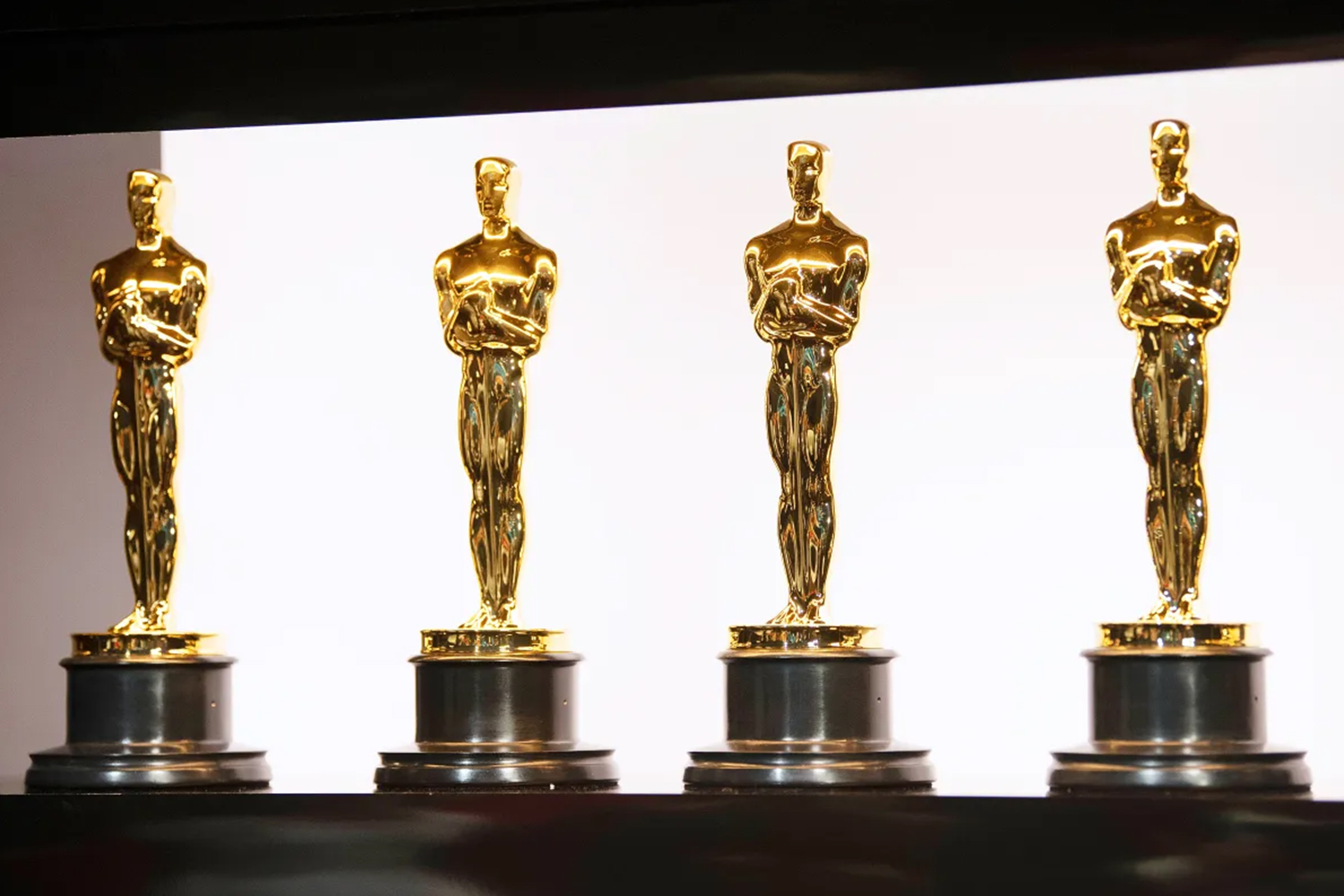
The voting for this year’s Academy Awards officially came to a close on Thursday evening, and like clockwork, the trade publications have begun rolling out their anonymous interviews with Oscar voters revealing their picks and explaining the thought process behind their votes in each category. However, this year is slightly different: It’s the first time the Academy of Motion Picture Arts and Sciences has required its members to certify that they’ve seen all the movies in a category before they can cast a vote.
The only problem? The new rule is based on the honor system, and voters who have not watched all of the digital screeners provided in the Academy’s online portal are simply required to check off a box attesting to the fact that they’ve watched the movies elsewhere (in a theater or at a film festival, for example). At least a handful of them were quick to admit they lied and simply checked the box so they could vote.
“I put Frankenstein at number 10 because I haven’t seen it, which is unfair, but I ran out of time and decided to check the box indicating that I had so that I could support other films,” a voter identified only as “a female member of the Academy’s 719-person documentary branch who has no connection to any of this year’s nominees” told The Hollywood Reporter.
Some, it seems, have found other loopholes: In a Los Angeles Times article about the rule change, Glenn Whipp writes, “Since the academy’s screening room counts a movie as watched only if it’s viewed in its entirety, this voter told me they planned on restarting Marty Supreme one night and running it on mute so he could vote in the lead actor category.”
“I’d seen enough,” Whipp quotes the anonymous voter as saying. “Watching [Timothée] Chalamet play another pingpong tournament wouldn’t make me change my mind.”
Is this voter fraud? Sure. But does it actually matter, or is it simply a reminder that the way Academy members vote for the Oscars often has very little to do with which films they thought were the best? Human beings are inherently biased, and people’s votes are always going to be swayed by factors like which actor they like more, or whose body of work they think deserves recognition, or who they perceive the underdog to be. Does an outstanding performance in an otherwise mediocre movie deserve to win an Oscar? There’s no strong consensus among Oscar voters, which means some of them are considering factors that others aren’t when making their decisions.
There’s a reason studios spend millions of dollars on “For Your Consideration” campaigns for their films. They understand that voters can be swayed, and that very few of them have even bothered to see all the movies they’re voting for or against. (By the way, these are industry insiders — people who should, in theory, be the biggest cinema fanatics in the world. If even they find watching all of the nominated films to be tedious, Hollywood is in trouble.) Chalamet won’t lose in the Best Actor category because his performance in Marty Supreme is somehow worse than any of the other nominees, he’ll lose because Oscar voters are reportedly “put off by [his] swagger.”
At the end of the day, art is subjective, and it’s silly to pretend that it’s not. It’s fun to speculate who will take home a trophy on March 15, but it’s time to abandon the notion that whoever does win will do so based solely on the strength of their talent.
More Like This


This article appeared in an InsideHook newsletter. Sign up for free to get more on travel, wellness, style, drinking, and culture..