
This March, the Criterion Collection is releasing a deluxe edition of director Martin Scorsese’s 2023 film Killers of the Flower Moon. That Criterion, known for their prestigious and detail-oriented projects, would take this on isn’t surprising — they have worked with the director on a number of films already, and Killers of the Flower Moon is a critically acclaimed, historically rich work. It isn’t at all surprising to see that the special features for this one are especially enticing.
Here’s where things get a little more surprising. This isn’t the only entry in Scorsese’s filmography getting a deluxe 4K and Blu-ray release in March — and the second film is much more of a deep cut. Like many of his peers, including Francis Ford Coppola, Peter Bogdanovich and John Sayles, Scorsese did early-career work for producer Roger Corman. In Scorsese’s case, that came in the form of his second feature as a director, 1972’s Boxcar Bertha.
As Roger Ebert wrote in an interview with Scorsese, the director chose to make Boxcar Bertha “because he needed to direct again.” But it also stands as something of an outlier in his filmography — unlike Who’s That Knocking at My Door or Mean Streets, the films he made before and after it, it’s a period piece without the presence of a frequent collaborator like, say, Harvey Keitel.
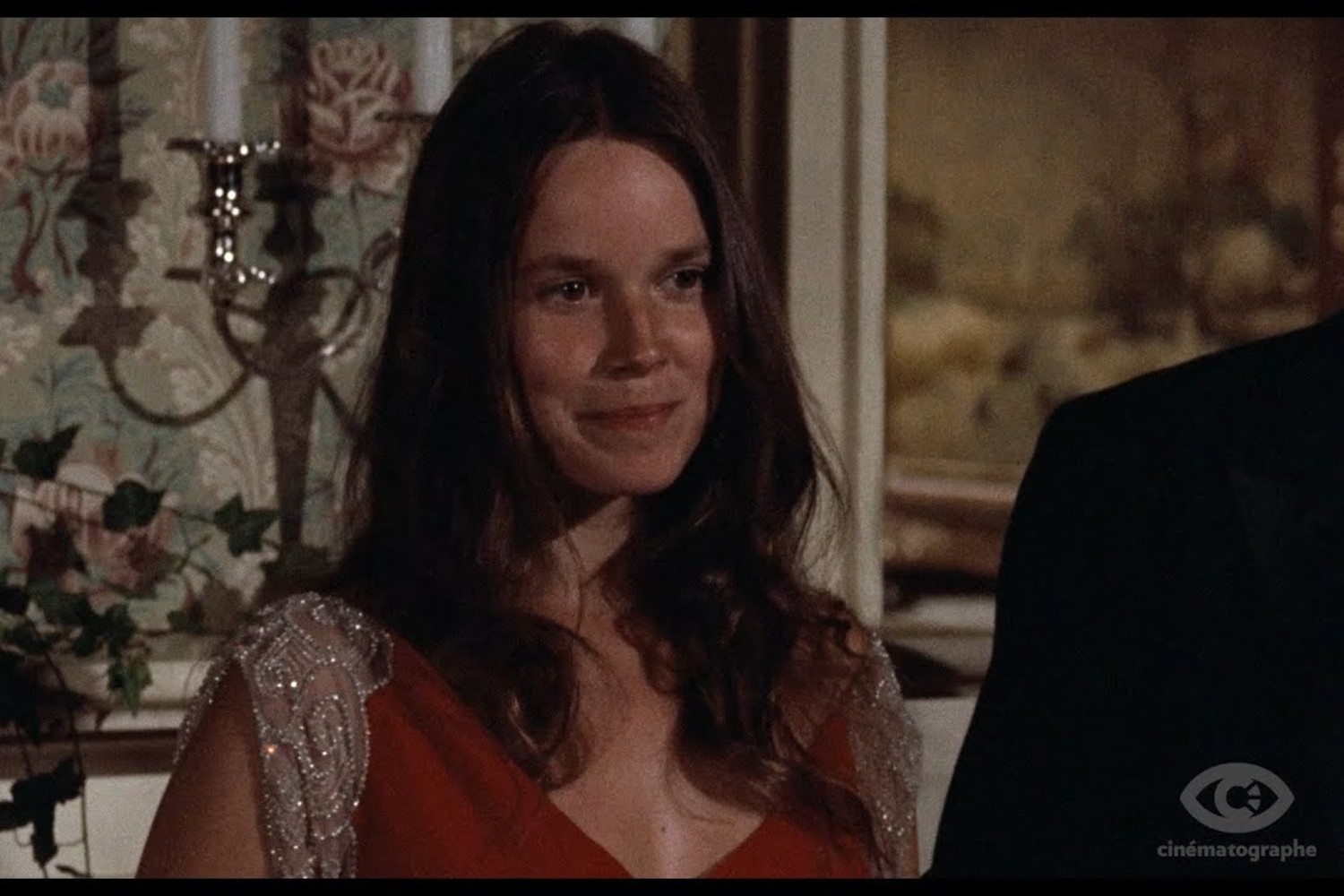
That isn’t to say that Boxcar Bertha, about a group of outlaws in the 1930s, lacks a notable cast; its leads are Barbara Hershey and David Carradine. And the deluxe edition released by Cinematographé has a number of intriguing making-of features, as well as a new interview with Scorsese and contributions by an impressive array of film critics: Robert Daniels, Bilge Ebiri, Glenn Kenny and Beatrice Loayza.


“Killers of the Flower Moon” and the Stunted Masculinity of Leonardo DiCaprio’s Scorsese Characters
The actor and director reunite for the first time in a decade with the new filmIn a recent article for Indiewire, Jim Hemphill made an emphatic case for Boxcar Bertha‘s importance in the context of Scorsese’s career — and American filmmaking. Hemphill calls the film “a compelling piece of art, a politically charged product of its time with the timeless virtues of visual imagination, propulsive pace and mythic grandeur,” and makes a convincing case that Scorsese would return to its themes and motifs again and again in his career. All of which is to say that if you’re a fan of Martin Scorsese’s work and lovingly assembled physical media, March has plenty to offer.
More Like This





This article appeared in an InsideHook newsletter. Sign up for free to get more on travel, wellness, style, drinking, and culture..