

There are hotly-debated subjects that are much more contentious and controversial; still, it’s hard to underestimate just how much has been written about the pros and cons of daylight saving time. For many people, it was a fact of life: you’d get an extra hour one day in the fall and lose one at some point in the late winter or early spring, often creating a general sense of confusion. For residents of British Columbia, however, that biannual ritual is on its way out.
As NPR’s Rhitu Chatterjee reports, British Columbia has opted to stay on daylight saving time permanently; this autumn, there will be no falling back across the province. British Columbian premier David Eby told NPR that “having an extra hour of sunlight at the end of the day, whether it’s the winter or the summer, makes a big difference for people.” Eby also cited British Columbia’s presence at the “very western edge of the time zone” as being another factor in the decision.
There has been a lot written about the effects that daylight saving time has on the human body. In a 2024 article for Vox, Allie Volpe chronicled the different ways that changing time can have an adverse effect on a number of people, including the very young and the very old, as well as some pets. At the time, Vanderbilt University’s Beth Malow also argued that standard time is, overall, the healthier choice.
“If you want people to have natural light, you want them to have more light in the morning and that’s what standard time does,” Malow told Vox.

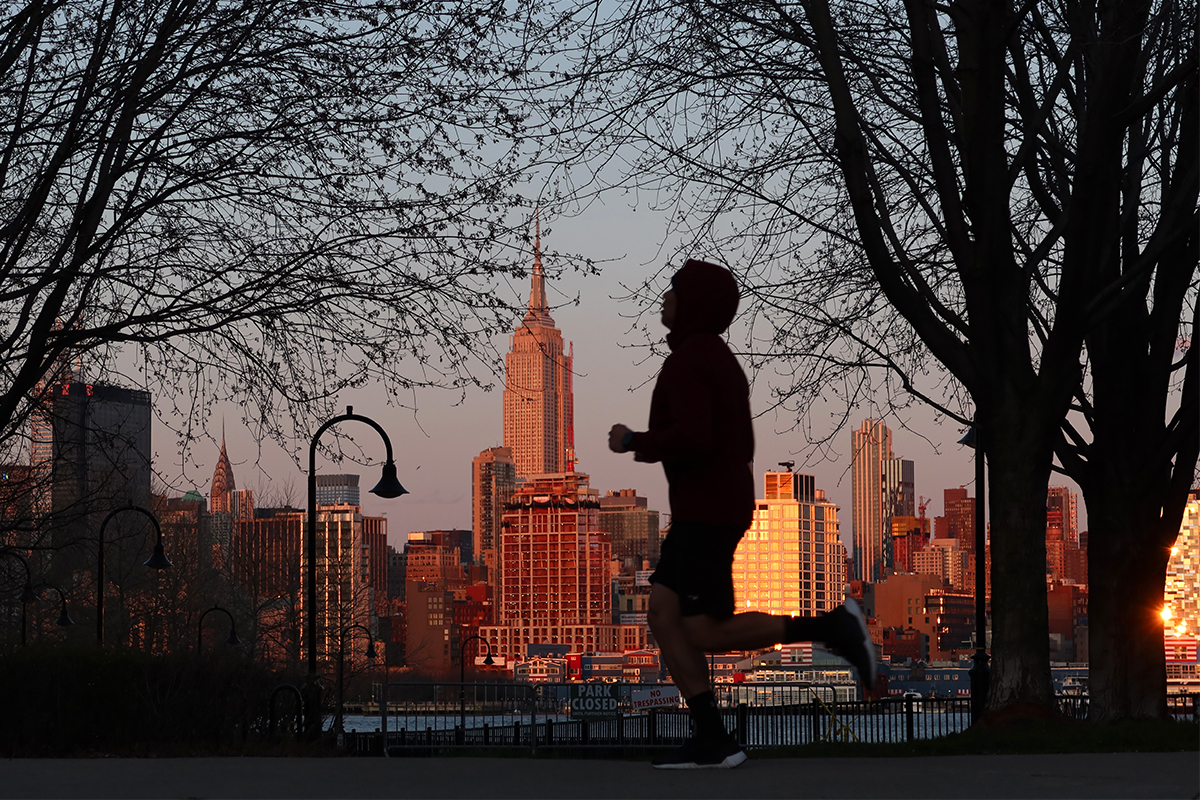
How to Use Daylight Savings Time to Get Into Shape This Spring
People love to hate the old ritual. But it’s coming at a perfect time this year.Daylight saving time does have its advocates, however. In 2024, University of Washington biologist Laura Prugh went into greater detail about the physical and environmental effects of standard time when it comes to vehicular collisions with deer. “[Y]ear-round standard time would cause 100 more deaths, 6,000 more injuries and at least $3.5 billion in costs every year through increased deer-vehicle collisions alone,” she wrote. Will British Columbia serve as a test case for the rest of Canada — and the hemisphere? Stay tuned.
More Like This



This article appeared in an InsideHook newsletter. Sign up for free to get more on travel, wellness, style, drinking, and culture..