
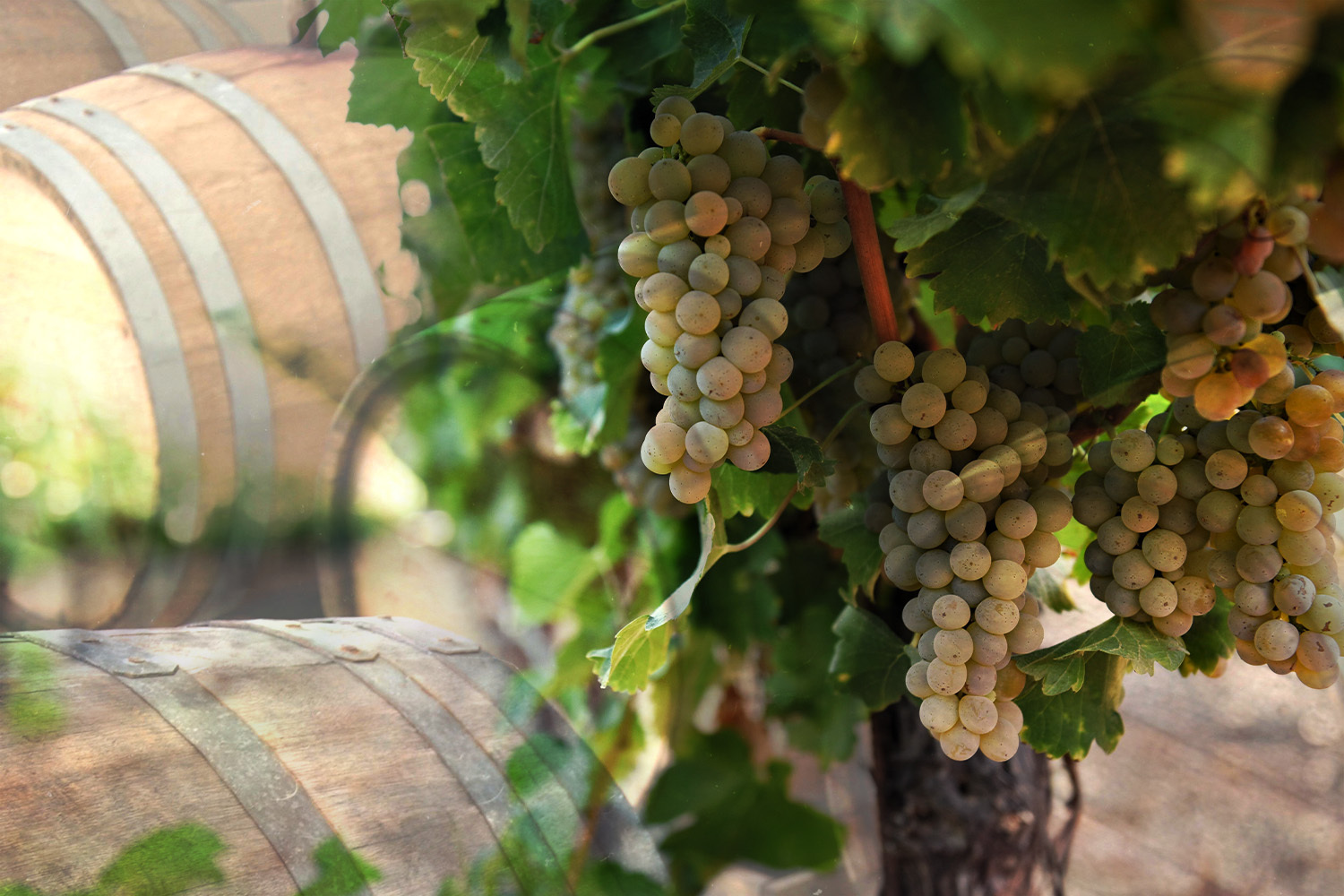
There’s a lot to love about the world-class wine region known as Dry Creek Valley. There’s the easygoing pace, the deeply rooted winemaking culture and the sheer range of grapes thriving across the Sonoma County AVA. While the area is often synonymous with Zinfandel, that’s really just the beginning. From Rhône varieties to crisp whites that feel tailor-made for warm California afternoons, Dry Creek is a place where winemakers have the freedom to experiment, and where all types of grapes get their time to shine.
With Passport to Dry Creek Valley, the region’s annual wine and food festival, returning from April 24 to 26, we figured now is the perfect time to take a closer look at the enticing viticultural diversity across its 9,000 acres of vineyards. This year, I connected with four winemakers working across the valley to talk about what’s in the ground — the varieties they’re championing, the grapes they think deserve more attention and what they’re most excited to pour this season.
Consider this a snapshot of Dry Creek Valley through the lens that matters most: the fruit.

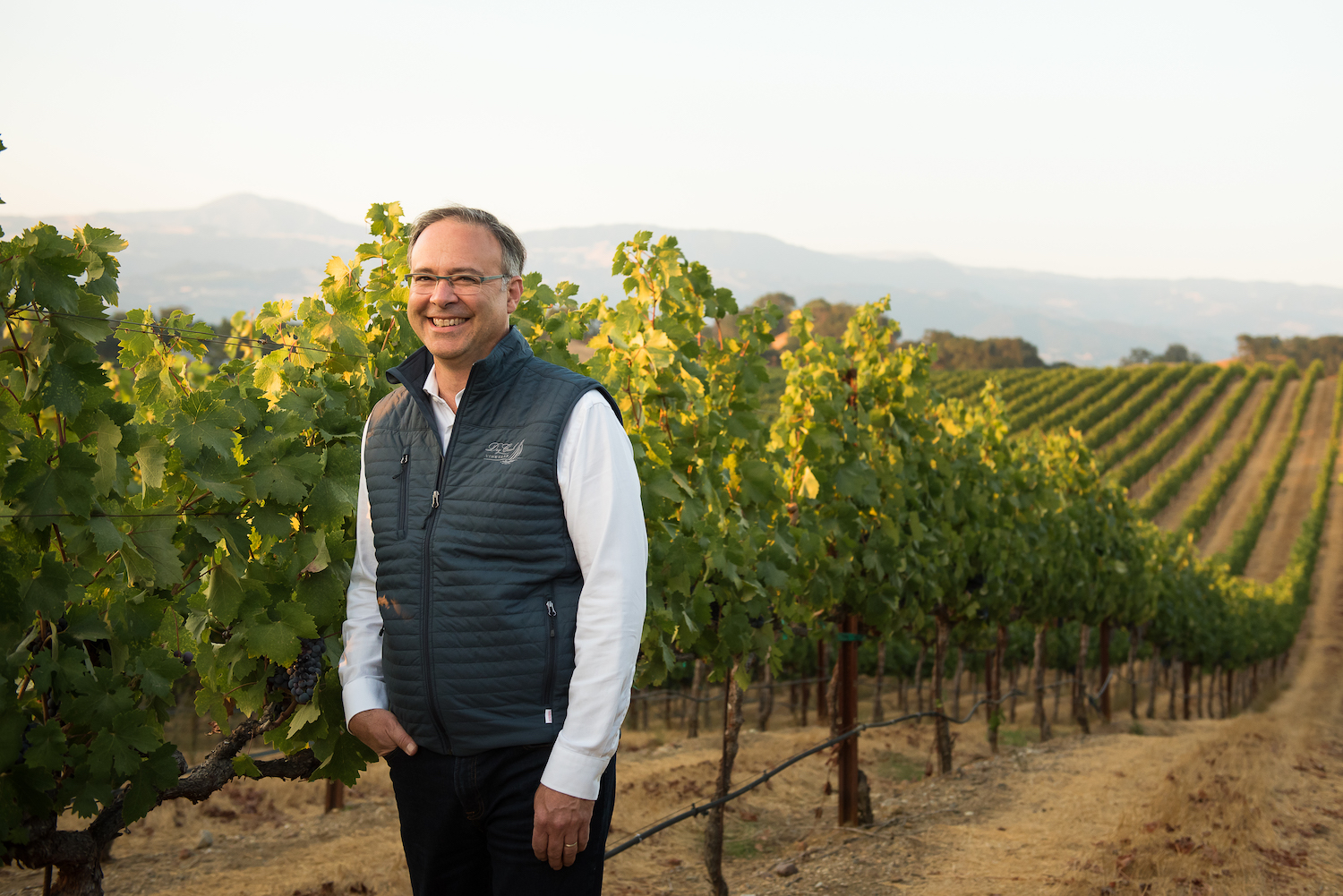
Tim Bell, Director of Winemaking, Dry Creek Vineyard
How did you get into winemaking?
I got into winemaking because I couldn’t figure out what I wanted to be when I grew up! More seriously, I always had a wide range of interests, and as a young adult, I couldn’t decide on a career path. That time in life coincided with my employment at one of the first major discount wine and spirits retailers in California. I had to learn about wine to help customers, and I got hooked. Eventually I studied at UC Davis and started working harvests. It’s been a very fulfilling career, particularly since I came to Dry Creek Vineyard almost 15 years ago.
What is your favorite part of the job?
There are two parts I love most. First is walking the vineyards where we source our fruit, taking in the details of how the current growing season is unfolding and getting to enjoy nature at its finest. Second is during harvest, making daily rounds to check on fermentations. I get to see, smell and taste wine being made through the magic alchemy that yeast works on grape juice. It is such an astonishing process.
What about your winemaking process sets you apart from other producers in Dry Creek?
I think everyone in Dry Creek Valley is truly working to make distinctive and inviting wines. What makes Dry Creek Vineyard distinct is our particular mix of vineyard sites that we draw upon, especially our estate vineyards. Every vineyard has its own unique quality and personality — a lot of careful planning went into creating our estate vineyards, and they produce some of the best fruit and wines possible. Our winemaking itself supports the fruit in becoming a complex and satisfying expression of where, and by whom, it was grown. We’re trying to use just the right amount of guidance that doesn’t become too much intervention. Too much winemaking technique can squash the personality of a vineyard site.
Grapes are obviously a very regional thing. What varietals do you champion at your vineyard, and why do they work so well in Dry Creek Valley?
At Dry Creek Vineyard, we focus on aromatic whites, Zinfandel-based blends and reds in the tradition of Bordeaux, France. We’ve discovered the terroir (the right vineyard sites) for each wine style. We’re especially proud that we pioneered growing Sauvignon Blanc here, inspired by founder David Stare’s love of the white wines of the Loire Valley. The floor soils in Dry Creek Valley are especially well-suited to our style of Sauvignon Blanc. The benchland and selected hillsides, with rockier soil and lower yields, are well-suited to Zinfandel, Cabernet Sauvignon, Cabernet Franc, Malbec and Merlot. Dry Creek Valley is about 16 miles in length and about two miles wide. This long, narrow valley can be as much as 10 degrees warmer at the north end versus the south. Throw in about 25 different soil series, and you can grow a lot of different grape varieties and styles well.
What is the most underrated grape right now?
I have to say Zinfandel. I think it is one of the most versatile red wines and can be made successfully in a range of styles — from light, fresh and fruity to more bold and robust. Dry Creek Valley is the finest place to grow this uniquely American success story. We get an extra layer of complexity and spice that few other regions can match.
Looking ahead to the rest of 2026 and into early 2027, what do you think the biggest trend in wine will be?
It seems that aromatic and lighter white wines are appealing to wine drinkers, so Dry Creek Vineyard is well-positioned to meet that demand. We think some lighter Zinfandel-based reds are going to complement the whites, too. We’re ready to welcome new friends into the world of wine!
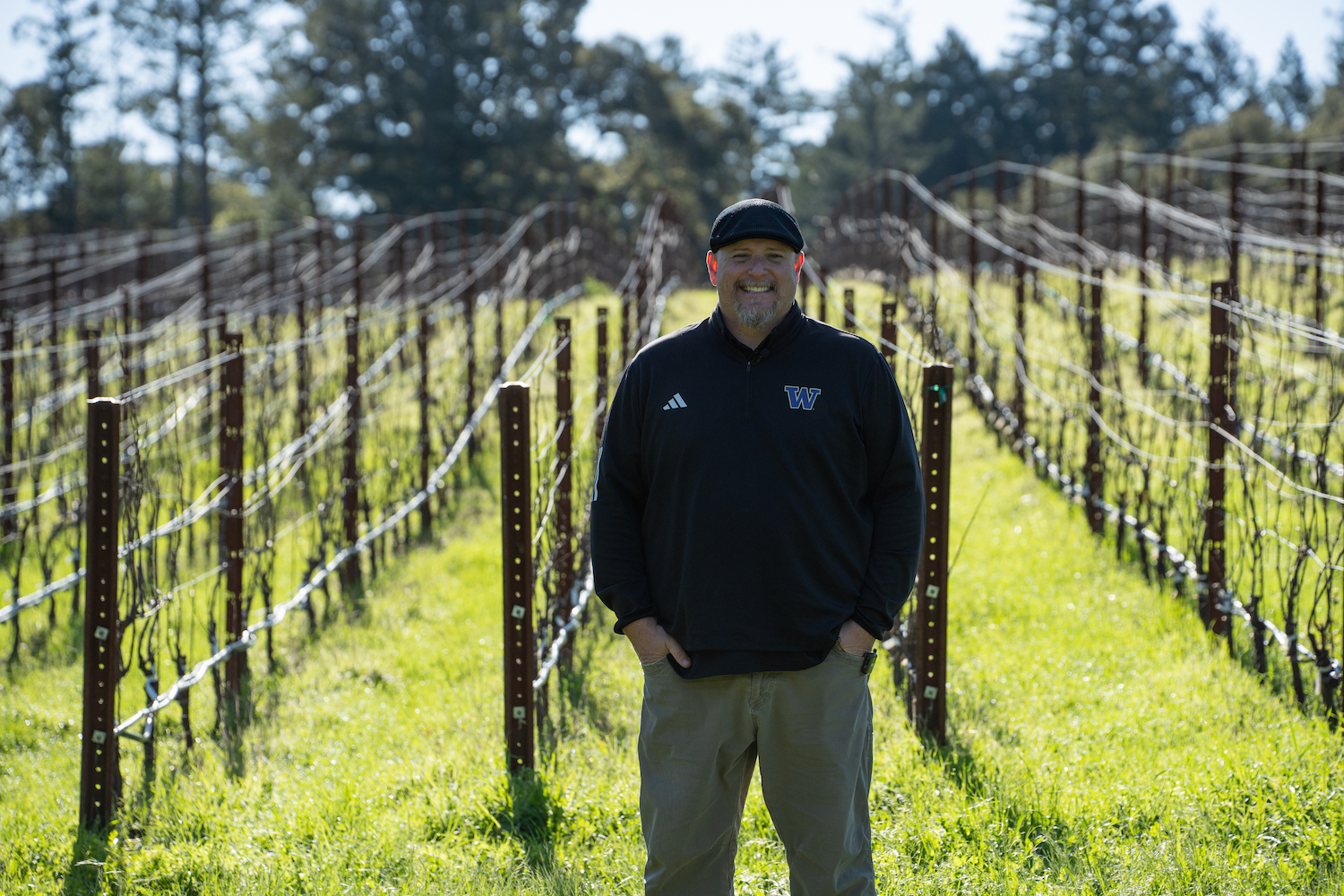
Matt Taylor, Winemaker, Mascarin Wines
How did you get into winemaking?
I was fortunate to be around Chris Bilbro of Marietta Cellars at a very young age, as his son Jake was one of my closest friends. He was always taking us abalone diving, mushroom hunting or foraging in some capacity, and we would return and make an amazing meal from the bounty, always with wine on the table. I recall wanting to be Chris, and we know how that turned out.
What is your favorite part of the job?
2026 will be my 29th year making wine and my 31st harvest (with two southern-hemisphere harvests). Throughout all of it, I have to say it’s been the people and places you get to surround yourself with in this industry. Wine touches so many people in all parts of the world, and being able to share that with people worldwide is truly a blessing.
What about your winemaking process sets you apart from other producers in Dry Creek?
There are many great producers in Dry Creek. At Mascarin, so much of what we do is about making honest wines that convey the site and vintage without the need for commercial yeasts, additives or anything foreign — pure wines that are always fresh and bright while never lacking texture or weight.
Grapes are obviously a very regional thing. What varietals do you champion at your vineyard, and why do they work so well in Dry Creek Valley?
We have been propagating and are currently focused on expanding our selections of Cabernet Franc, Chenin Blanc, Gamay and some other unique white grape selections. These assorted varietals are harvested at our vineyard and combine to make our distinctive Mascarin Red Blend. We want to grow what we love to drink and what we know will succeed at our site.
What is the most underrated grape right now?
This is not an easy question. Something I love that most people have never heard of is Pineau d’Aunis. Imagine blending Syrah and Pinot Noir and capturing the aromatics of both: white pepper, raspberry, strawberry and grapefruit all shine with this variety.
Looking ahead to the rest of 2026 and into early 2027, what do you think the biggest trend in wine will be?
I think the trend has been and will continue to be the focus on how people farm and make wine honestly without chemical remediation.
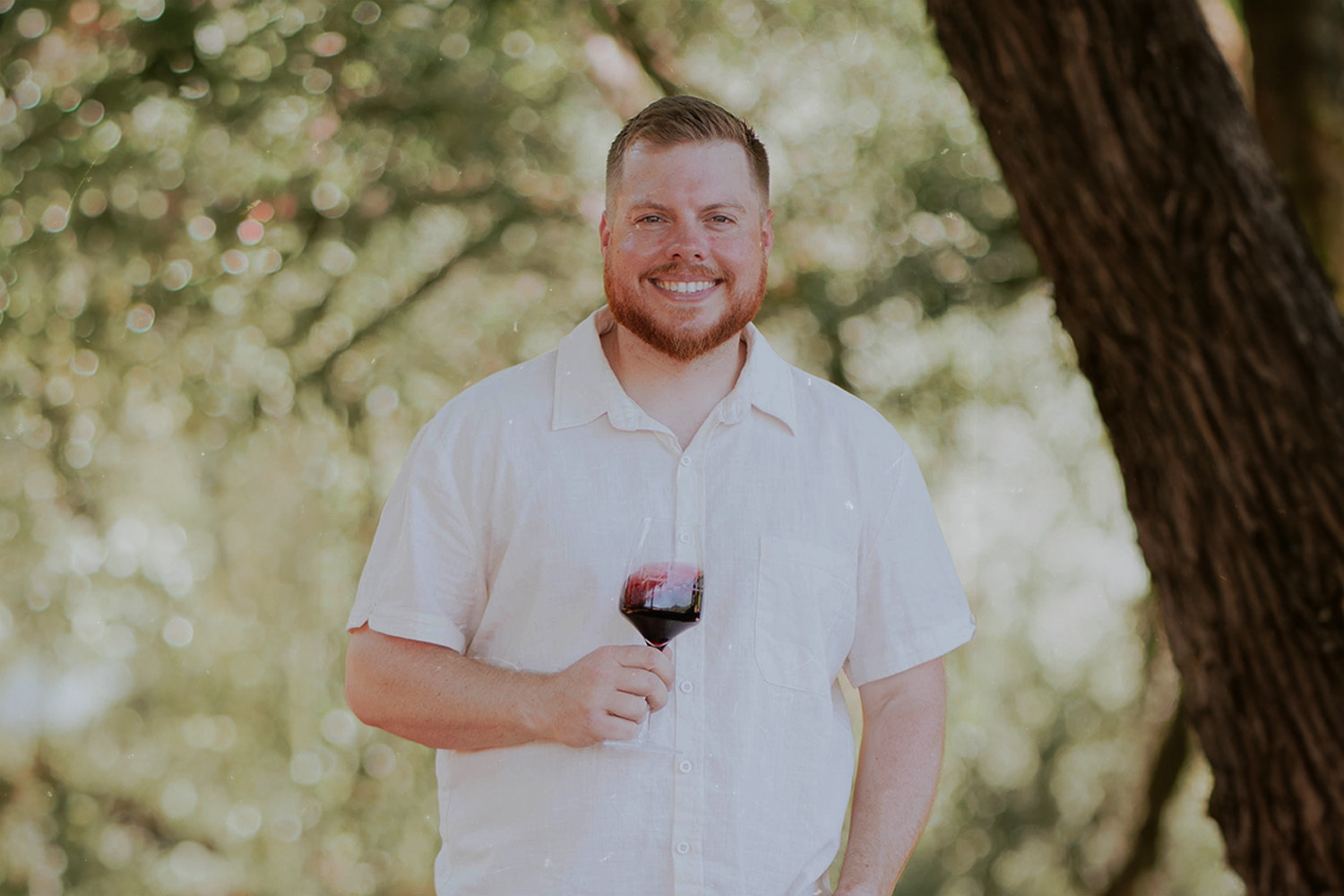
Bill Guadagni, Winemaker, Orsi Family Vineyards
How did you get into winemaking?
I am a fourth-generation grape grower. Winemaking was always a passion for my grandfather, who passed away when I was two years old. So in high school, I decided to try the path of winemaking to help connect with that part of my family heritage that I missed out on growing up. When I got into school, I fell in love with the perfect blend of art and science.
What is your favorite part of the job?
My favorite part of winemaking is the daily challenges you face. Every vintage and varietal is different with different puzzles arising, so I am constantly learning and growing, which keeps things fresh.
What about your winemaking process sets you apart from other producers in Dry Creek?
I have studied under the renowned winemaker Erin Green for 11 years, learning techniques that she has derived during her 40-plus years as a winemaker. I would say that above everything else sets me apart.
Grapes are obviously a very regional thing. What varietals do you champion at your vineyard, and why do they work so well in Dry Creek Valley?
We are very fortunate at Orsi to work with 11 different Italian varietals that are grown from Northern Italy all the way to Southern Italy. We are able to do this successfully, all on a 70-acre property in Mill Creek. The fact we’re able to produce each of these varietals successfully speaks to the incredible climate, terroir and area that is Sonoma County, specifically Dry Creek Valley.
What is the most underrated grape right now?
There are quite a few Italian grapes that are underrated. I would say Biancolella for a white wine and Schioppettino for a red grape are the most underrated. In terms of grapes that are more common, Zinfandel is the most underrated currently.
Looking ahead to the rest of 2026 and into early 2027, what do you think the biggest trend in wine will be?
I believe the trends are leaning back into smaller family producers that have authentic stories, paired with special experiences that drive consumers.
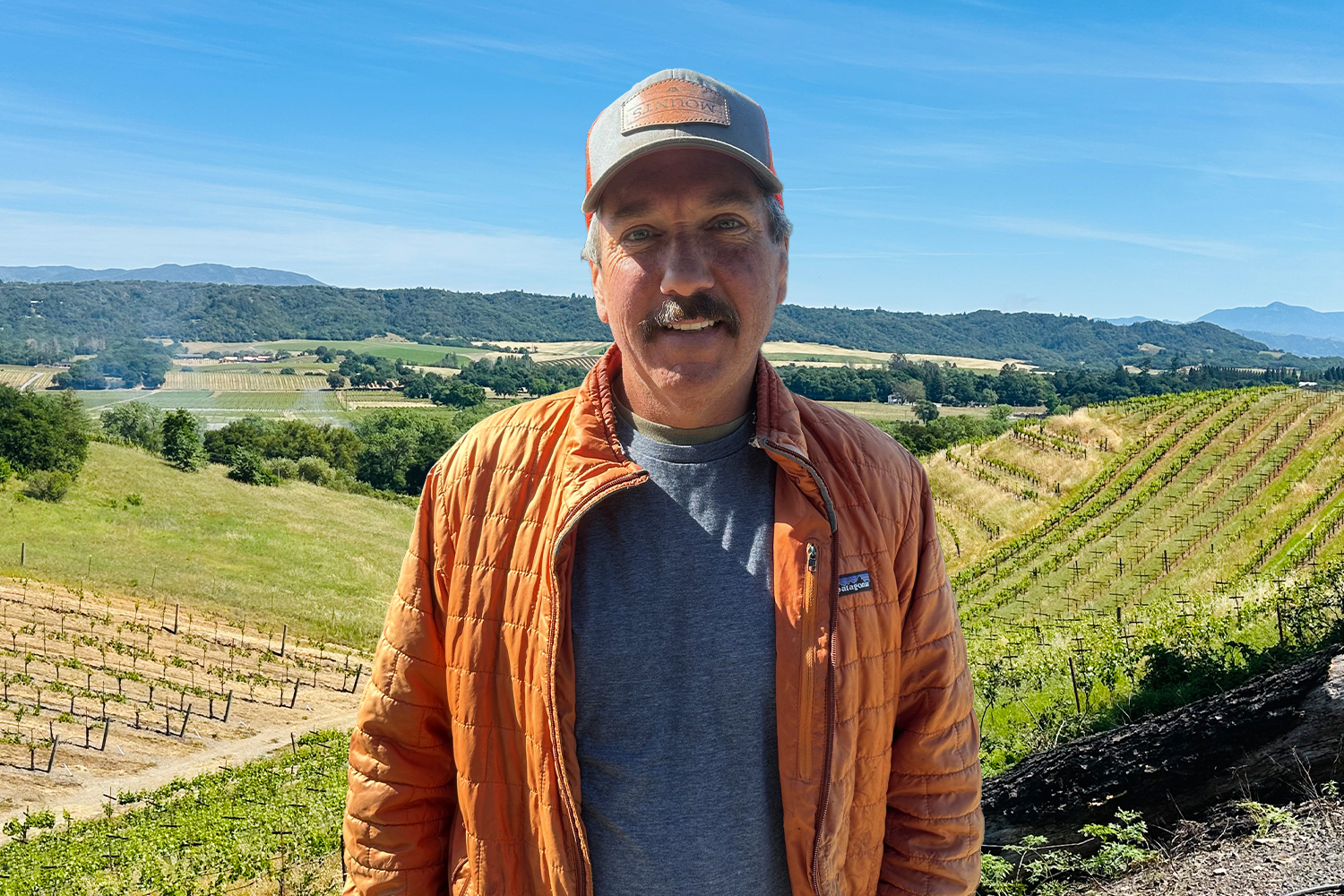
David Mounts, Owner and Winemaker, Mounts Family Winery
How did you get into winemaking?
After college with a degree in plant science and viticulture, and meeting the love of my life of almost 30 years, I worked in the wine industry side of things for more than a decade and wanted to get into the making of the wine. Too many pretentious winemakers told my family they had challenges making good wine with our grapes, so I wanted to see what the fuss was. So equipment was purchased, experimentations and trials began, and off we went.
What is your favorite part of the job?
Bringing in the harvest, having fermentations go dry and bottling. When the wine is in the bottle and it’s out of my hands!
What about your winemaking process sets you apart from other producers in Dry Creek?
My process is simple: use the best fruit possible, keep yields unsustainably low, don’t screw up and don’t follow trends. Make what I’m proud of with a high quality, or dump it. And do the work myself, not hiring others and managing from a computer or cell phone. I like the challenge. I don’t know about a lot of others except that they make what is trending and/or what their bosses tell them. I struggle with the wine quality of other producers in Sonoma County in general.
Grapes are obviously a very regional thing. What varietals do you champion at your vineyard, and why do they work so well in Dry Creek Valley?
We work with grapes right for our climate, hillsides and exposure (and what vines the nursery has). It’s a lot of Rhône varieties, Bordeaux, Zin, Spanish and expansion into more Italian (and last week Grüner). They work so well because they don’t ripen hastily, and the acid stays strong even with a long hang time. We have 35 varieties planted.
What is the most underrated grape right now?
The grape that needs more attention is Sangiovese. It’s so easy to grow with great ripeness, richness and acid.
Looking ahead to the rest of 2026 and into early 2027, what do you think the biggest trend in wine will be?
The biggest trend will be diversification in what is being bottled, and that starts with what growers are planting — new ideas, taking risks, doing the research and having fun. The cost of doing anything in California has to change. Wineries need to commit to growers and make the best wine they can. Spend the money on the right barrels, push the limits of ripeness and keep tasting fees to a minimum. And for owners to be present with customers — that should be the biggest trend!
More Like This


This article appeared in an InsideHook newsletter. Sign up for free to get more on travel, wellness, style, drinking, and culture..