


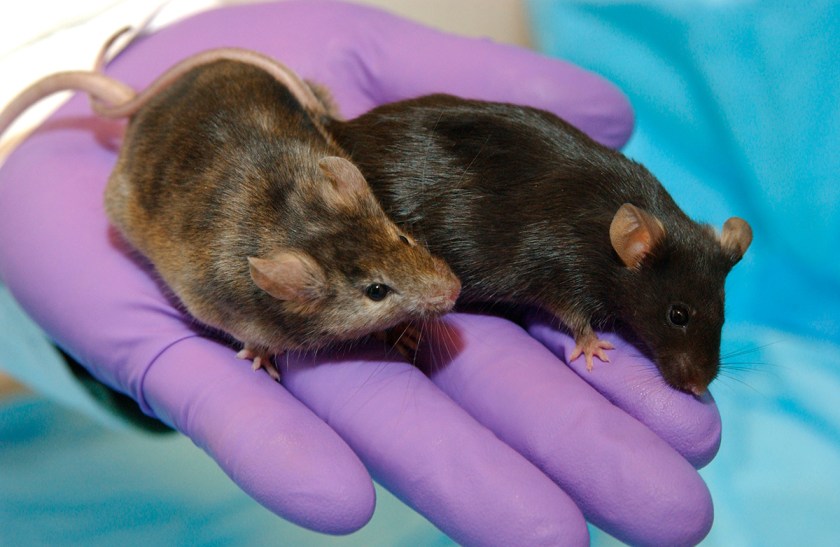
Sometimes science advances through happy accidents. (We all know the legend about Sir Isaac Newton and the apple.) This is precisely what happened to Brown University researcher Diane Hoffman-Kim. She had been placing mouse nerve cells in nonstick petri dishes and seeing them grow into “mini-brains.” (A sphere less than a millimeter wide complete with sparking neurons.) Yet they couldn’t survive on their own, nor were they expected to. Then they started spontaneously growing blood vessels. This marked the start of a basic circulatory system. They still aren’t self-sustaining life, but Hoffman-Kim believes this can happen.
Here’s how this benefits lab mice and, potentially, you.
Simultaneously, two-dimensional biochips have been making it possible to research, for instance, how lung cells react to toxins. Combine the biochips with Brown University’s work and you have something remarkable: the potential to create organs. Okay, not at the level yet that they’re ready for transplant into human recipients, but they can simulate how organs operate. In theory, scientists may even one day be able to take your skin cells, create miniature versions of your major organs, and put them on a chip. Then they can figure out how to best treat any diseases that affect you by studying these virtual organs, instead of experimenting on lab mice. (Or directly on you.)
To read more, click here. See Brown University’s “mini-brain” in the video below.

—RealClearLife Staff
Twice a week, you'll find guinea pig features, personal essays and expert interviews on living better — for however long you’re here. Subscribe to Champ now.