

In 2015, the U.K. faced an alarming public health situation when a type of MRSA — that’s an abbreviation for the staph bacteria known as “Methicillin-resistant Staphylococcus aureus” — was discovered in meat that was being sold in supermarkets. As Fiona Harvey and Andrew Wasley reported at The Guardian at the time, this news was especially concerning to medical professionals, given the ease MRSA has in spreading among people being treated in hospitals.
The “resistant” part of MRSA refers to its ability to resist the effects of most antibiotics. That leaves researchers with a challenging task ahead of them: Is there something that can treat bacteria characterized by their resistance to most treatments?
According to a paper published late last month in the Journal of the American Chemical Society, a type of antibiotic known as premethylenomycin C lactone has shown significant promise in combating MRSA. The paper’s authors described their findings as “a promising starting point for the development of novel antibiotics to combat antimicrobial resistance.”
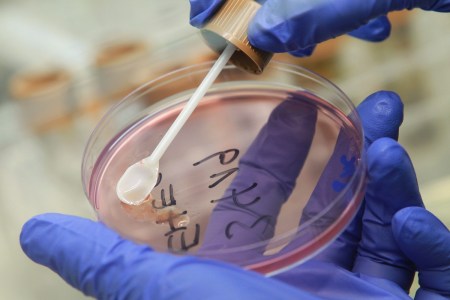
Researchers Found Promising Antibiotic In Garden Soil
This discovery could help save livesAs Victoria Atkinson reports at Live Science, these findings are especially notable because the researchers had not intended to discover a new way to respond to MRSA. Instead, scientists at the University of Warwick found that premethylenomycin C lactone — which is formed as part of the process of creating methylenomycin A — is significantly more effective at fighting certain bacteria that have been historically resistant to antibiotics.
“Remarkably, the bacterium that makes methylenomycin A and premethylenomycin C lactone — Streptomyces coelicolor — is a model antibiotic-producing species that’s been studied extensively since the 1950s,” said Dr. Lona Alkhalaf, one of the paper’s authors, in a statement. “Finding a new antibiotic in such a familiar organism was a real surprise.”
More Like This




Twice a week, you'll find guinea pig features, personal essays and expert interviews on living better — for however long you’re here. Subscribe to Champ now.