

When you buy the same product from the same shop, you’d probably expect those two purchases to be for the same amount of money unless plenty of time had passed between the two visits. Unfortunately, some recent visitors to Las Vegas learned that a few local retail establishments appeared to be making use of dynamic pricing — meaning that the cost of certain foods, drinks and toiletries fluctuated depending on the demand for them.
Dynamic pricing isn’t a new concept; airlines and hotels have used it for years, and a CBS News report from 2016 noted its growing popularity in bars and restaurants. It’s even become a political issue in advance of the 2026 World Cup. But the idea of going to a hotel shop and paying more for, say, a can of soda depending on the demand feels like a new development.
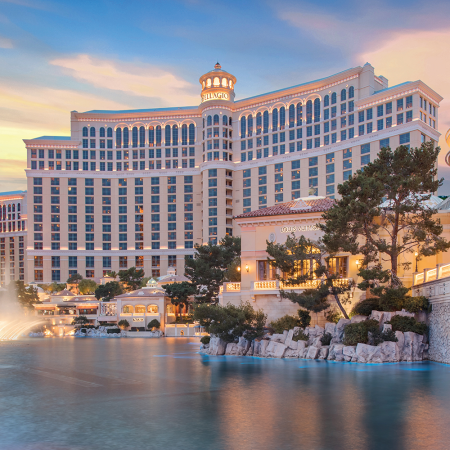
In an article for the Las Vegas Review-Journal, David Danzis explored the fluctuations in prices for items like bottled water, energy drinks and sunscreen at multiple casino hotel shops. The price of sunscreen at Mandalay Bay rose on a Friday afternoon, for instance, while someone buying bottled water at the Bellagio on Friday would pay a dollar more for it than they would at any other time the pricing was monitored.
Mark Tremblay, an assistant professor of economics at the University of Nevada Las Vegas, saw a connection between casinos using dynamic pricing for room rates and rolling them out elsewhere in the business. “It is clear that this is a trend we will see moving forward as physical stores begin to use digital price tags more frequently,” Tremblay told the Review-Journal.
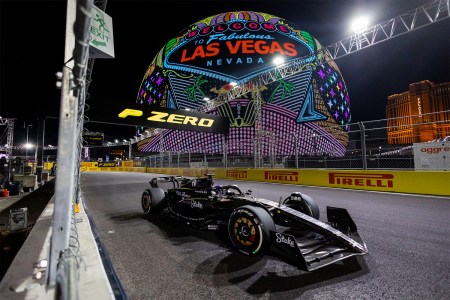
Love It or Hate It, the Las Vegas Grand Prix Raised the Bar for American Sports
While not without its qualms, the F1 race opened a new era of glitz and glamUnfortunately for people looking to pay consistent amounts for certain products, dynamic pricing has made its way into more and more parts of life. Online sellers like Amazon have utilized it; last year, two large retailers — Walmart and Kroger — began using digital price tags and denied accusations that they were also opting for dynamic pricing. It’s hard to shake the feeling that this is a practice that could continue to grow without some form of regulation.
More Like This




We're always on the scene eating, drinking and traveling near and far to bring you the best of what's happening out in the real world. Sign up for IRL now.