

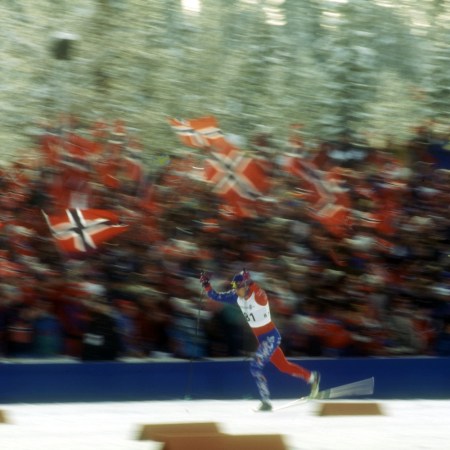
Scroll through Johannes Høsflot Klaebo’s Instagram page, and you’ll find a trail of breadcrumbs leading to his mind-bending performance in the 2026 Winter Olympics.
The 29-year-old Norwegian going goblin mode on his famous indoor treadmill. Cross-training with cycling, running and Padel. Skiing to the soothing tones of Enya’s “Orinoco Flow.”
The man did everything he could to optimize his training. He even absconded to the mountains of Utah for months ahead of these Games, sacrificing time with his family, and refusing to eat a single meal outside of his cabin to avoid getting sick.
Safe to say it worked. As of this writing, Klaebo has five gold medals in Milan, bringing his career total to 10 as an Olympian. (Only Michael Phelps, with an untouchable 23 golds, has more). He also went viral for sprinting at a sub-six-minute mile pace on skis. Ben Ogden, the race’s silver medalist, said it looked like Klaebo was competing in an “entirely different sport.”
Klaebo’s Key to Peak Performance
It might come as a surprise, then, to learn that Klaebo’s secret to peak performance isn’t anything out of the ordinary — and certainly not something that would make for great Instagram content. It’s the hour at the end of the day that he spends lying down, playing Battlefield.
For the non-gamers out there, Battlefield is a first-person shooter game with six iterations. You run around virtual maps, coordinating with online teammates and trying to stay alive.
Klaebo has made it clear how much he relies on the game: “It’s a great way to switch your mind off,” he said. “I need the nerves to be able to perform at my highest level, and in the evenings, I just try to play a little bit [online] with my friends back home and talk about different things than skiing,” Klaebo said. “And I feel like that helps.”
He brought a personal PlayStation to Tesero, where the cross-country skiing events have taken place. Up in the mountains, the internet wasn’t great when the athletes arrived. Early on, Klaebo said getting his WiFi fixed would “save” his Olympics. “I depend on it completely so I am willing to pay a lot to get it sorted.”
The Benefits of Gaming
There happen to be other gamers at the Winter Olympics — and plenty of gamers throughout professional sports.
Channing Frye, a 14-year NBA veteran, estimated that 75% of the league plays video games. In the world of F1, where the lines between sport and simulation are already blurred, superstars like Max Verstappen praise the benefits of gaming.
Over in MLB, New York Yankees second baseman Jazz Chisholm plays MLB: The Show with a created team called the New York Aliens; it includes himself, plus legends like Ken Griffery Jr. and Jimmy Rollins. Once, after a bad game in real life, he beat a team 12-1 in the virtual world and went to bed. “I mercy-ruled someone,” he told ESPN. “That’s how I get my stress off.”
Gaming doesn’t get the best rep amongst the general population. It’s often associated with a sedentary lifestyle, Doritos, Mountain Dew, etc. But elite athletes have different schedules (and needs) than the rest of us. They spend the whole day working through an ambitious to-do list, which asks a lot of their bodies and brains. Gaming gives them a chance to finally relax (or at least, divert their focus elsewhere).
Research has linked gaming to improved motor skills, reduced stress levels and even bursts of creativity. There’s an interesting study where a group of volunteers got to play Mario Kart after taking an onerous math assessment called the paced auditory serial-addition task. The game boosted their moods — and specifically helped them regain the confidence and autonomy they lost after struggling through that math test.
If there’s one drawback to gaming, it’s that it can keep people up nights. But Klaebo knows when to turn the PlayStation off. “Yesterday I was up until 9:15,” he said. “I’m getting my hours in bed.” After this many golds, we’re inclined to believe him.
More Like This




Twice a week, you'll find guinea pig features, personal essays and expert interviews on living better — for however long you’re here. Subscribe to Champ now.