
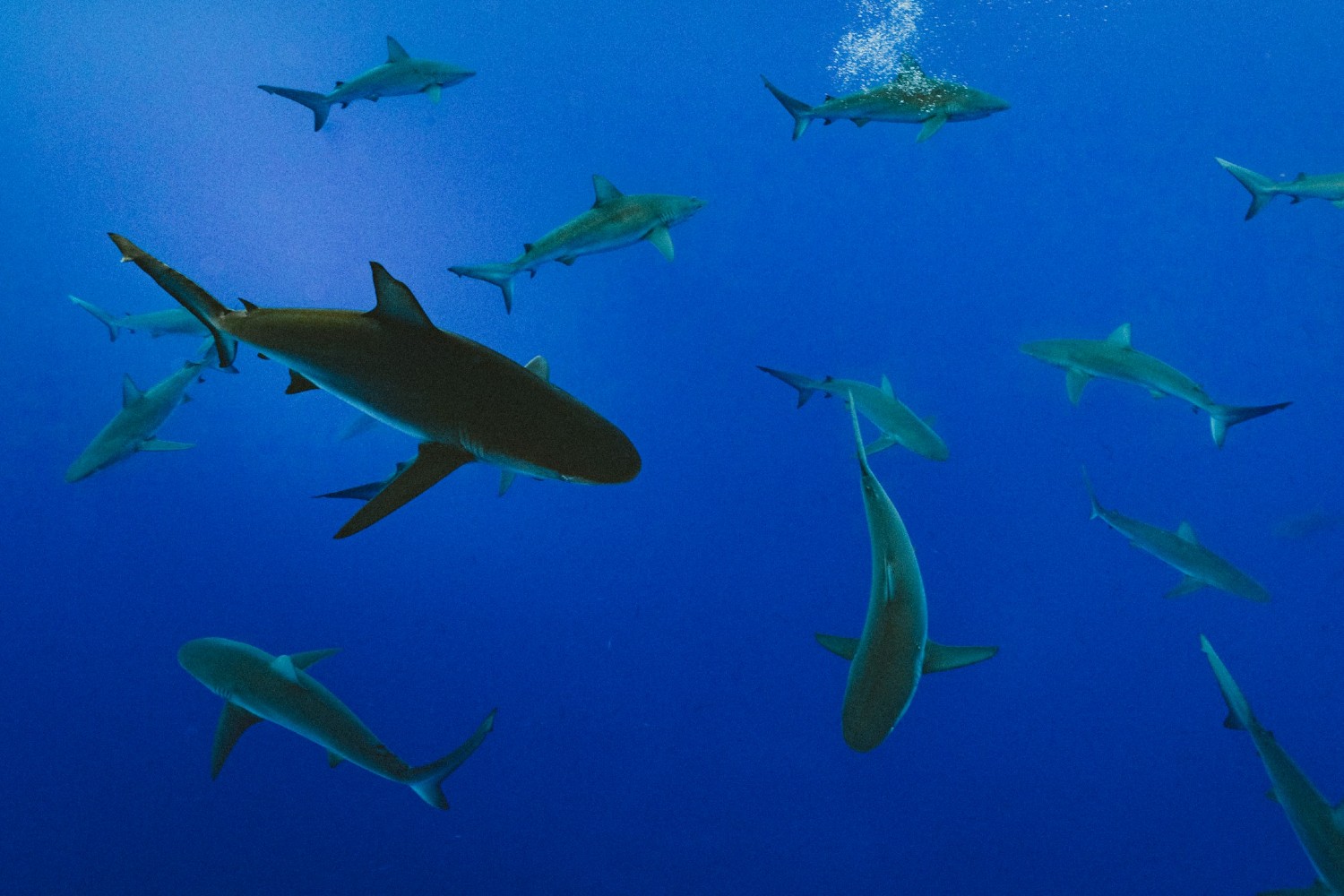
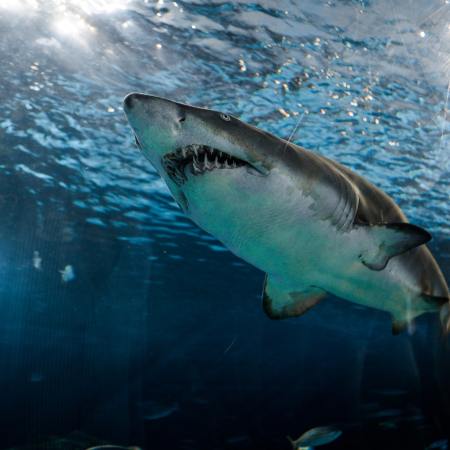
To state something very obvious, sharks are dangerous. Much of that danger has to do with their teeth — both in terms of how sharp they are and how many of them they have. (In some cases, they can be measured in the hundreds. Yikes.) But just like basically anyone or anything with teeth, just having teeth isn’t enough — they also have to be in good condition. And certain environmental factors are at play that could make sharks a bit less fearsome.
That is one of the biggest takeaways from a study published in the journal Frontiers in Marine Science. The title of the paper — “Simulated ocean acidification affects shark tooth morphology” — gives readers a sense of what to expect: the researchers looked at the effect of oceans becoming more acidic on the teeth of sharks.
What did they learn? That oceans becoming more acidic could result in “visible corrosion on the crown, degradation of root structures, and loss of fine serration details.” In other words, sharks’ status of being apex predators could take a hit if their teeth degrade. The paper’s authors point to a future of “changes in foraging efficiency, energy uptake, and ultimately elasmobranch fitness.”
Can Sharks Help Predict Hurricanes?
A group of scientists is working on finding outHow realistic a future is this? In an article for the Associated Press on the study’s findings, Patrick Whittle cites research pointing to “the burning of coal, oil and gas” as factors that are making the planet’s oceans more acidic. Data from the National Oceanic and Atmospheric Administration also shows that, since the Industrial Revolution began, oceans have grown more acidic.
The study’s lead author, Maximilian Baum, expressed concern about the implications of these findings. “[Sharks’] whole ecological success in the ocean as the rulers of other populations could be in danger,” Baum told the Associated Press. It’s a shift that could have big environmental implications.
More Like This



This article appeared in an InsideHook newsletter. Sign up for free to get more on travel, wellness, style, drinking, and culture..