
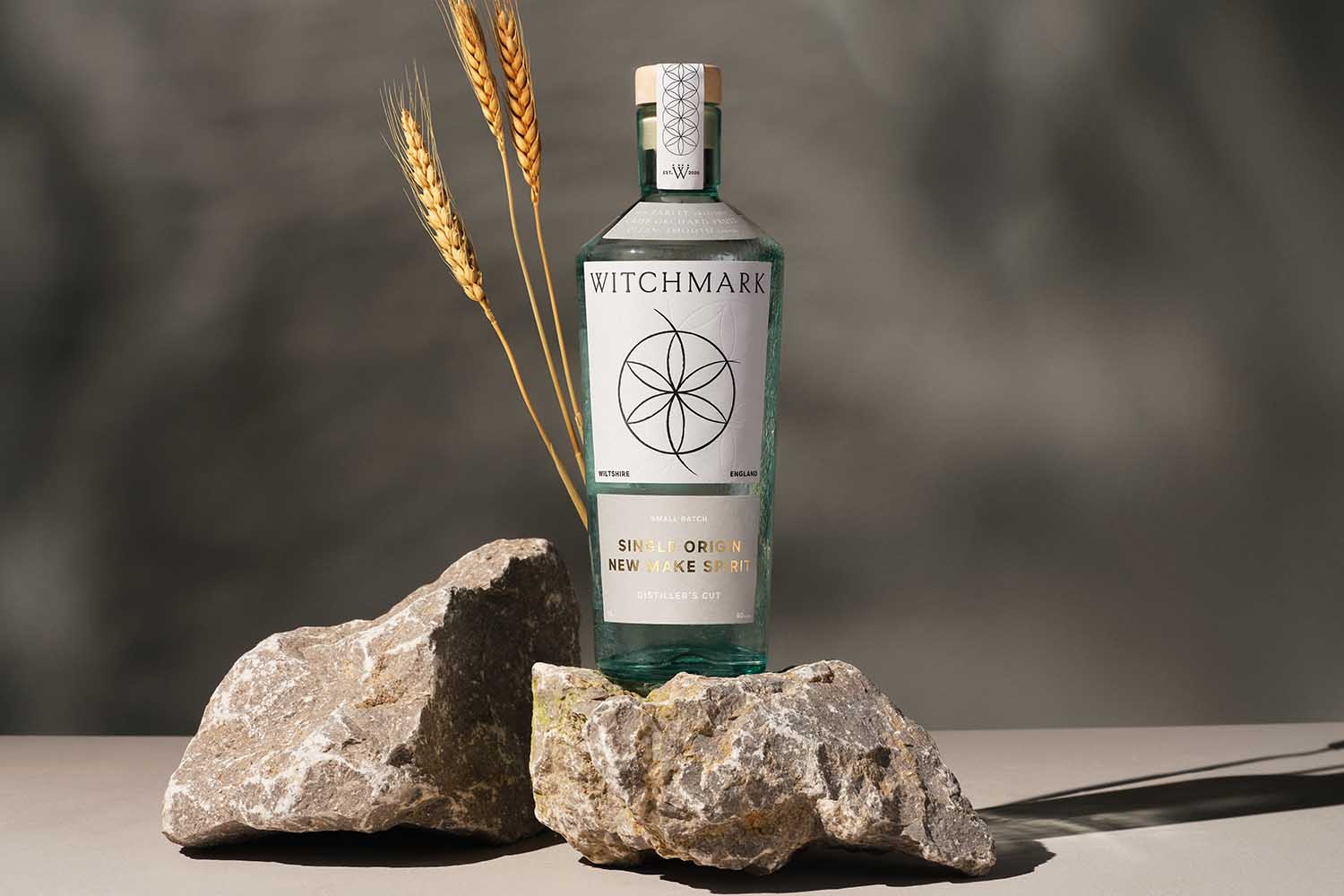
“We’re a new distiller — we don’t have the luxury of waiting to know if our whisky is going to be great,” says Eddie Large, founder of the English whisky company Witchmark, which launched in 2024. “It has to be great from the outset.”
Large isn’t just talking about the whisky that will be ready for release in two years. Witchmark also sells a clear liquid, drawn from the distillery’s copper pot stills at a characteristically hefty 60% ABV called Single Origin New Make Spirit.
“The general public doesn’t have a clue what new make spirit is,” Large admits. In short, new make is the distilled liquid that goes into casks for maturation, wherein it takes on the complex flavor profile and color of the wood. This results in what drinkers will more readily recognize and refer to as whisk(e)y. Indeed, under UK law, a new make spirit must (among other defining qualities) be matured in oak casks for three or more years to be called a whisky.
Historically, in rural communities big on distilling, new make spirit was what locals drank (it accounted for much of the illegal alcohol trade in Scotland, for example). In more recent times, distilleries may have offered visitors a snifter of the clear stuff as a preview of the whisky to come. But now, more distilleries are bottling a short run (Witchmark is releasing just 300 bottles) for the enthusiasts who enjoy digging into the fundamentals of their whiskies a little deeper or like to have something a different to show off at home. Clearly, there’s a novelty factor in a white not-quite-whisky.
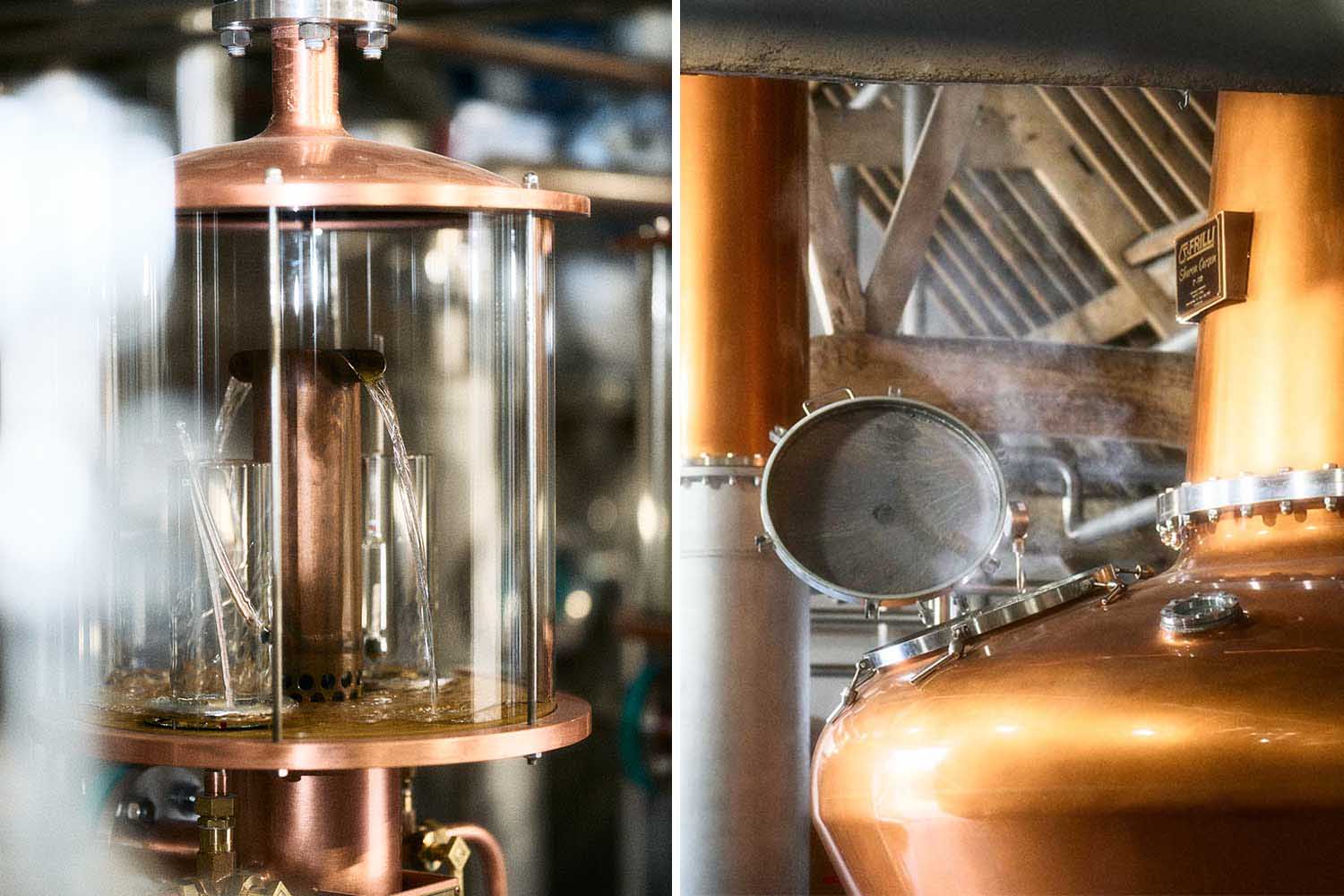
“I don’t the industry trying to create a new category,” Large says. “This is more of an opportunity for the many new distilleries to show their craft now and also bring in some revenue while their whisky is maturing. That the new make spirit can have its own appealing character [according to the yeast used, length of fermentation, type of still and so on] makes it a statement of intent.”
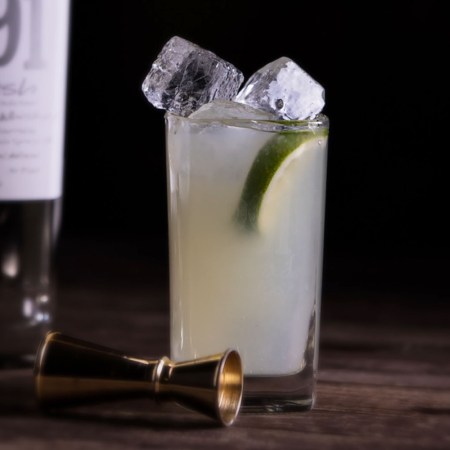
Some producers suggest drinking their new make spirit neat or, given its typically high alcohol content, a little watered down for a punchier, cleaner, often more floral take on whisky. Others argue it works particularly well in whisky-based cocktails. “You wouldn’t want to use a really top-notch whisky in a cocktail anyway,” Large says.
The market for new make spirits is on the rise and has never been more varied. This year, the World Whiskies Awards gave its World’s Best New Make & Young Spirit to Ve De Di Pale Ale Mash from Vietnam, with awards also going to Ireland’s Lough Mask New Age and Australia’s Nullaki Single Malt Young Spirit. There are plenty of other distillers releasing new make product around the globe, including Retribution Distilling, Death’s Door, North Uist Distillery, Kentucky’s Buffalo Trace and Tennessee’s Chattanooga Whiskey. Interestingly for American distillers, U.S. regulations allow producers of new make to call their product a whiskey or white whiskey, provided it’s bottled at a minimum 40% alcohol by volume. (Conversely, the Alberta, Canada-based Anohka Distillery bottles their new make, cheekily, as This is Not Whisky.)
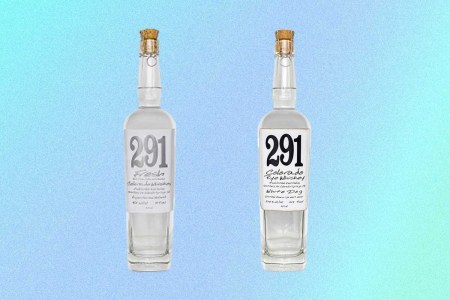
Review: Distillery 291’s “White Whiskey” Proves That Age Is Sometimes Just a Number
In defense of unaged, new-make, award-winning whiskey, hailing from ColoradoIndeed, some distilleries have been waiting for the rest of the industry to catch up. 291 Colorado has been bottling its 291 Fresh Colorado Whiskey — un-aged and pitched as an alternative to vodka, tequila or rum in a cocktail — for the last 14 years. It also makes a clear White Dog Colorado Rye Whiskey, named after the colloquial term for new make spirit.
“[Time in the barrel] can fix so many things that may not be perfect with a new make spirit,” says 291 Colorado founder Michael Myers. “When it’s bottled as a white whiskey, it has to be drinkable on its own terms. Frankly, a lot of what distilleries were putting out wasn’t clean or characterful, so people would tell you, ‘Oh I’ve tasted so many new make spirits and they’re so bad.’ So getting across that this spirit can be good can be hard.”
Consequently, many distilleries simply stopped bottling their white dog, even when it was good, because marketing dollars were better spent elsewhere. Then there’s the challenge of the U.S. market in particular: New make spirits are often associated with a history of illegal hooch or moonshine. “People had this idea that new make spirit was the same thing, that it would make you go blind, when in fact white whiskey is a very different thing,” Myers says.

Today, there’s still a battle to explain exactly what new make spirit is. “Even the kind of people who visit distilleries are often surprised that new make spirit is clear because anything associated with whisky is understood as being brown,” says Cameron McCann, founder of Stirling Distillery, a gin-maker that launched its first whisky in 2023, putting the Scottish city of Stirling back on the whisky-making map for the first time in some 170 years. “So there is a huge amount of education still to be done. But the tide is turning.” Stirling’s new make spirit recently won Best Scottish New Make Spirit at this year’s World Whiskies Awards.
“Releasing new make spirits is also a way that smaller distilleries can actually stand apart from the industry giants,” McCann says. “The big distilleries are working at a scale that makes releasing [new make spirit] complicated.”
Indeed, if you want to try something a little different, more particular or unique, a bottle of new make spirit could be the way to go. “New make spirits are as different from each other as whiskies are,” McCann adds. “I’ve tasted some terrible new make spirits and some great ones, so if it makes it into a bottle, it’s likely to be great. It means the distillery is trusting you to try it.”
More Like This


This article appeared in an InsideHook newsletter. Sign up for free to get more on travel, wellness, style, drinking, and culture..