
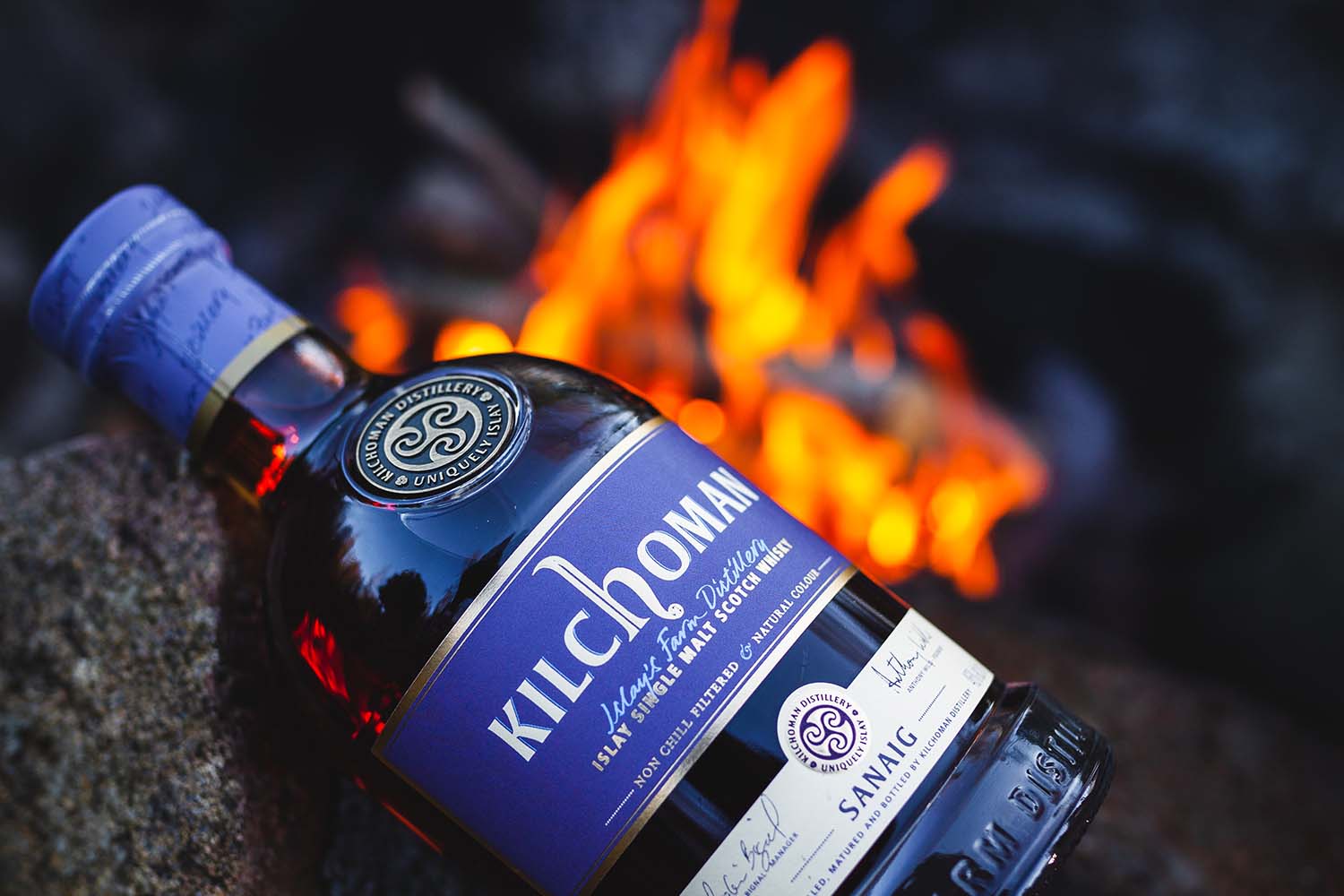
What we’re drinking: Four core single malt expressions from Kilchoman Distillery
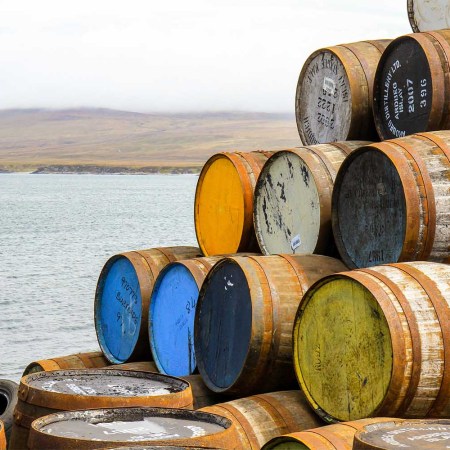
Where it’s from: Founded by Anthony Wills in 2005, Kilchoman was the first new distillery to be established on the island of Islay in more than 124 years. They grow their own barley and do all the malting, distilling, maturing and bottling on one farm.
Why we’re drinking these: As noted above, Kilchoman is an outlier on Islay. The Scotch brand is independently-owned, family-run and the only farm-to-bottle (or “barley-to-bottle”) whisky maker on the island. The distillery (pronounced kill-cHO-man or kill-HO-man) is also a nice success story in our troubled whisky market times of 2026. It’s run by two generations of the Wills family who manage everything from production to global sales. The larger distillery team has steadily grown from five to 50 employees since launch, and they’ve increased production capacity from 100,000 liters of alcohol per year to 600,000 liters while quadrupling barley production and exporting to 70 countries.
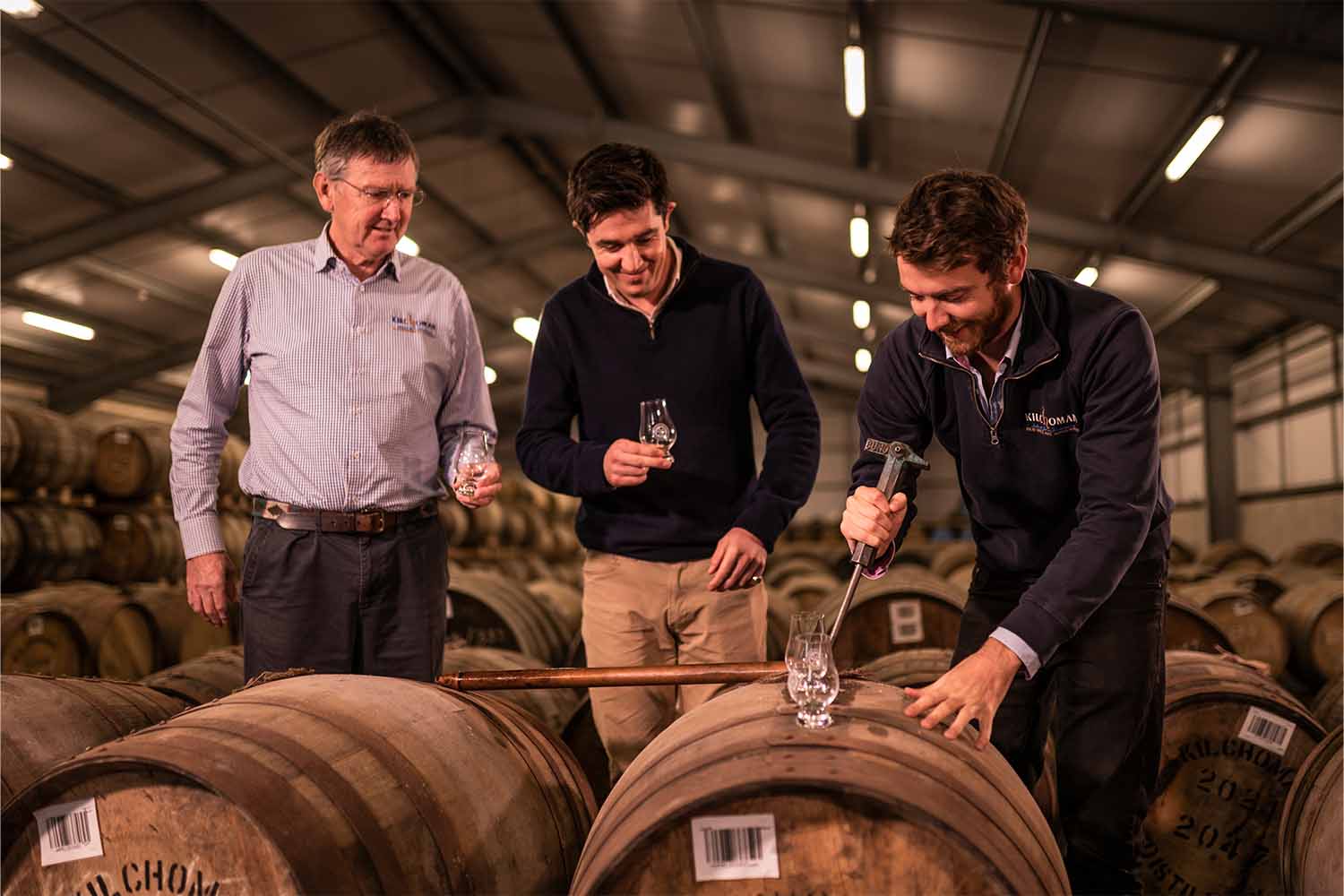
With that growth, a few things had to change, including not being able to use 100% Islay-grown barley in all of their products (though there is a 100% Islay line of whiskies, as you’ll see below). “We had a plan [to only use Islay barley], but as we grew, we moved beyond being able to do that,” says Peter Wills, one of several family members who work at Kilchoman. “We do bring in barley from mainland Scotland, but we keep it separate in production. So we have a style of whisky where it’s all from the farm and then a separate style from the barley we buy.” (The peat is all from Islay.)
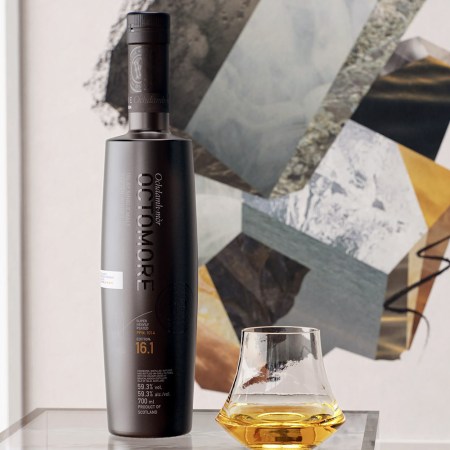
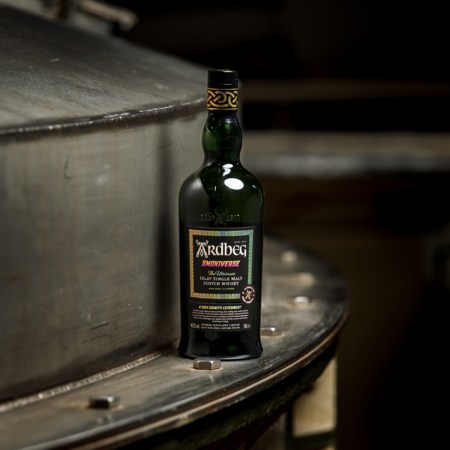
As far as taste, Kilchoman isn’t going to be the peat bombs of Octomore or Ardbeg, but it does have more smoke (around 50 PPM) than the likes of Bowmore or Bunnahabhain. “We use really heavily-peated malt,” Wills says. “But through our production, things change. We have really small stills. We’ve got a really long fermentation. So we try and have a real nice balance of Islay smoke and this kind of soft, more fruity character.”

Discovering Islay: A Whisky-Lover’s Guide to the UK’s Most Charming Escape
Scotland has five whisky regions. Only one has a distillery for every 300 people who live there.Let’s try them out.
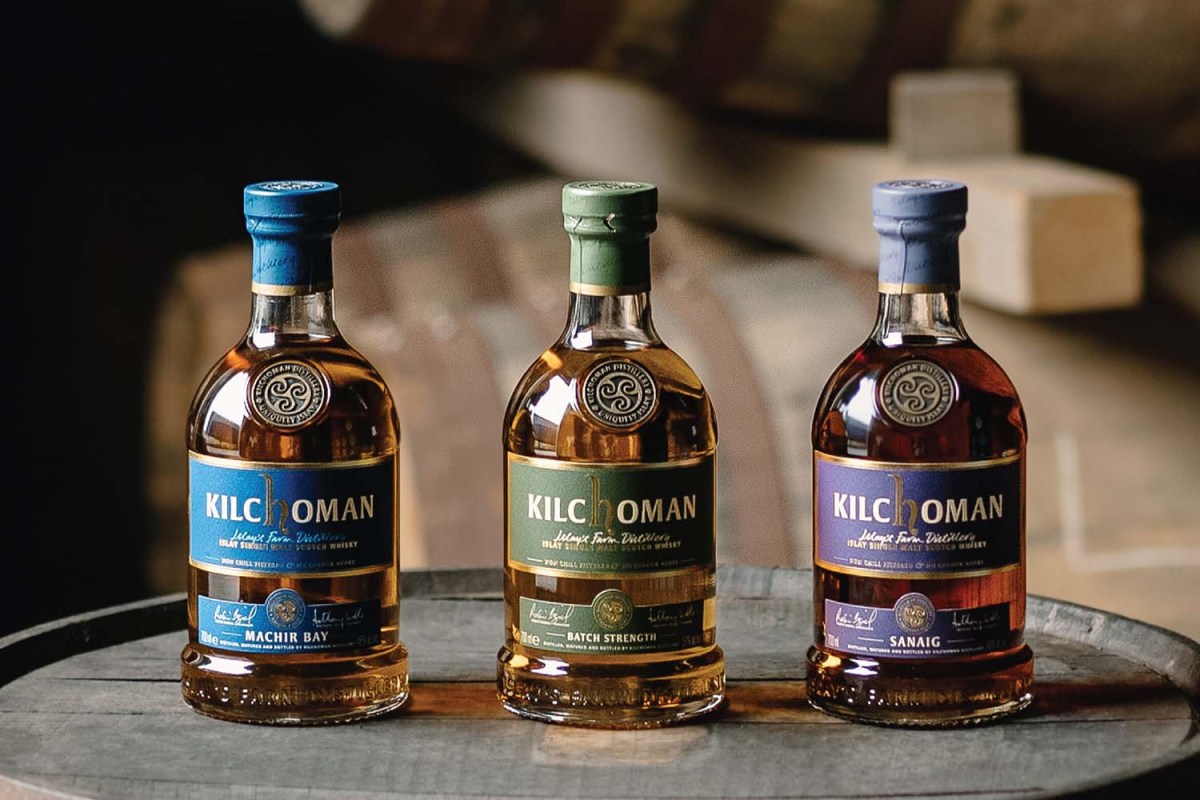
How they taste: I tasted four core expressions from Kilchoman:
- 100% Islay 15th Edition (20 PPM, 50% ABV, Aged 9 Years): The distillery’s 100% farm-to-bottle expression using locally-grown barley might be its best. It’s bright and offers a creamy mouthfeel with hints of caramel, malt, vanilla and citrus (lemon/orange).
- Machir Bay (50 PPM, 46% ABV, no age statement): Aged primarily in ex-bourbon barrels and a few ex-sherry casks, there’s tropical fruit here and a little salinity to go along with the malt and butterscotch notes.
- Sanaig (50 PPM, 46% ABV, no age statement): Pretty much the same as Machir By except for the barrel maturation ratio (it’s 70% ex-sherry, 30% ex-bourbon), the fruit notes are more prevalent but the smoke remains modest. Expect hints of chocolate, cherries and caramel.
- Batch Strength (50 PPM, 57% ABV, no age statement): Aged in a combination of re-charred red wine hogsheads, Oloroso sherry butts and ex-bourbon barrels, this is a favorite. It’s a bold but balanced mix of fruit, smoke, salinity, malt and caramel.
Fun fact: To celebrate its 20th anniversary, the distillery held a lottery for a bottle of its first 20-year-old release, drawn from Kilchoman’s Cask No. 1, the very first cask filled on Dec. 14, 2005 and bottled exactly 20 years later.
Where to buy: You can find Kilchoman’s whiskies for $65+ at ReserveBar.
More Like This
This article appeared in an InsideHook newsletter. Sign up for free to get more on travel, wellness, style, drinking, and culture..