
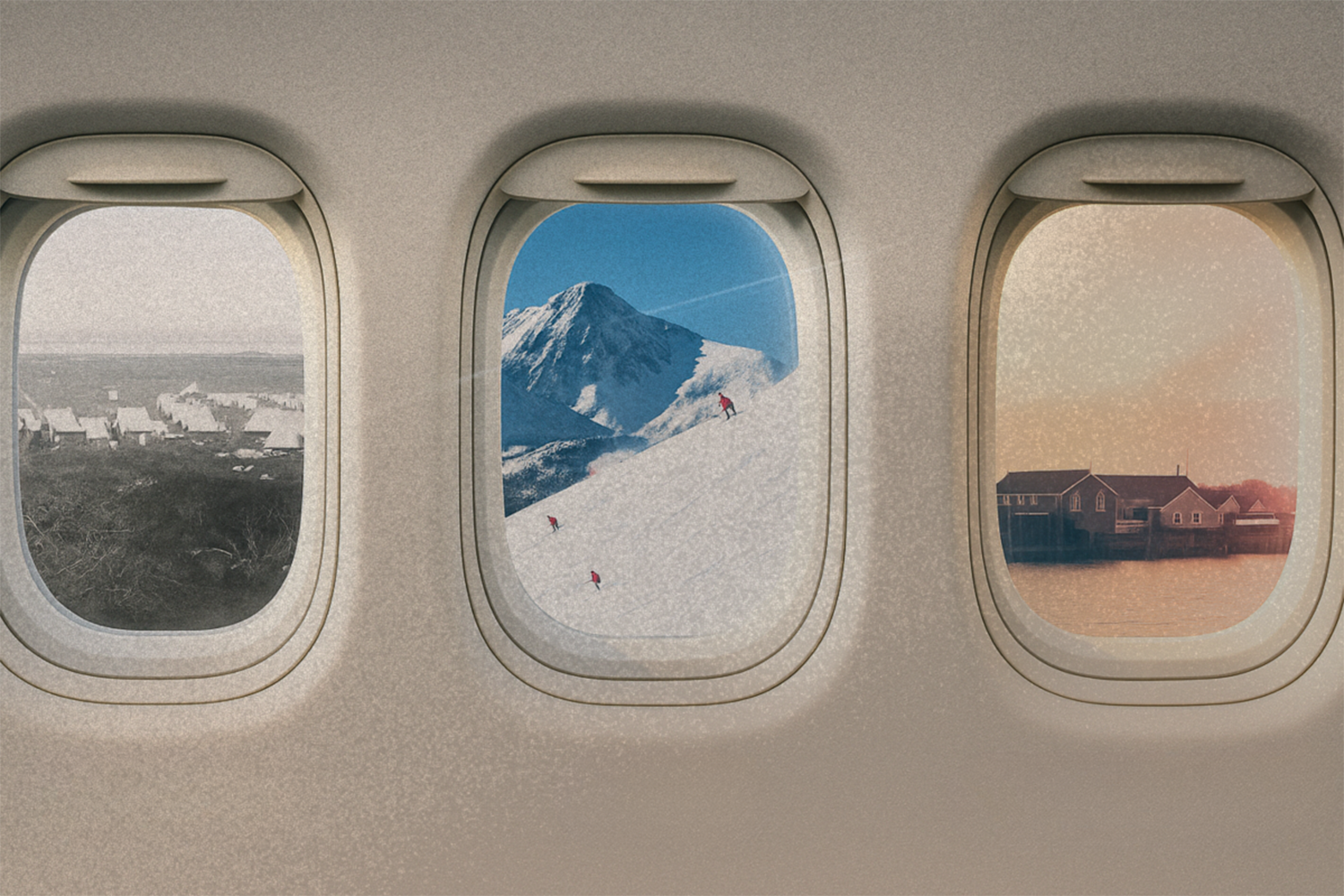
Vacation towns hold a special kind of mythology. They’re often stitched from storybook fragments: childhood memories, family reunions and a rare peace that only comes with knowing a place by heart. Whether it’s a lakeside hideaway your parents claimed each August or a mountain village where you first learned to ski, the magic of a vacation town is that people return year after year, chasing a feeling as much as a place.
In the winter, Vail’s population nearly doubles with part-time residents; come summer, Montauk’s roads crawl with traffic despite just 4,000 permanent residents. My own family stopped gathering at our mountain cabin as we got older, but I still feel a particular kind of grief when I hear how the pine-scented town of my memory has changed. Giant residential complexes now loom where wood-clad houses once were. Five-star hotels have edged out mom-and-pop inns. Once sleepy streets are reportedly choked with weekenders.
Scroll through social media and you’ll see that the sentiment is shared: people lamenting Big Sky’s luxury developments or how Nantucket has “lost its charm.” My boyfriend’s family has spent the past 30 years returning to the island, and every summer comes with its own elegy for what’s gone. “This used to be the sleepy bar where we’d grab beers after the kids went to bed!” his dad said in disbelief this summer, shouting over the din of what’s now a sloshing-cocktails and $45 lobster rolls-type restaurant. That loving recall — equal parts tender and frustrated — is at the heart of how we talk about these places.

What Is Travel Dysmorphia?
Social media has convinced us that travel is a competitionThere’s a lot at play here. Overtourism is straining infrastructure, as June’s protests in Europe warned. Climate change is reshaping coastlines and landscapes. And then there’s social media broadcasting once-hidden gems to an algorithm-fed audience. It’s a strange grief to not necessarily lose a place, but rather to witness it shapeshift into some other entity we don’t recognize. We want our vacation towns to stay untouched by crowds, commercialization and outsiders, even as we ourselves are part of the cycle of change.
I thought about this one bike ride to Nantucket’s beloved Cisco Brewers, passing frayed shingled cottages and posh boutiques. I’m in no way an American WASP, and therefore not the kind of crowd that once filled the porches and yacht clubs, yet there I was anyway. The same forces that supposedly “ruined” vacation towns — the internet, tourism and the ways in which the world has moved toward accessibility and diversity — also opened their gates for people like me to shop at local businesses, tip at restaurants and simply witness their beauty.
The real question isn’t whether destinations evolve, but how we can help them do so while protecting the spirit that drew us there in the first place. Shop from small businesses, stay engaged with town news year-round and — holiday homeowners, I’m looking at you! — be self-aware enough to understand how your presence impacts housing affordability. As temporary visitors, we owe these places and their local communities care, not possession. It’s a responsibility that comes with cherishing a place: embracing what it becomes, even if our memories of it will always be perfect.
This article appeared in an InsideHook newsletter. Sign up for free to get more on travel, wellness, style, drinking, and culture..