
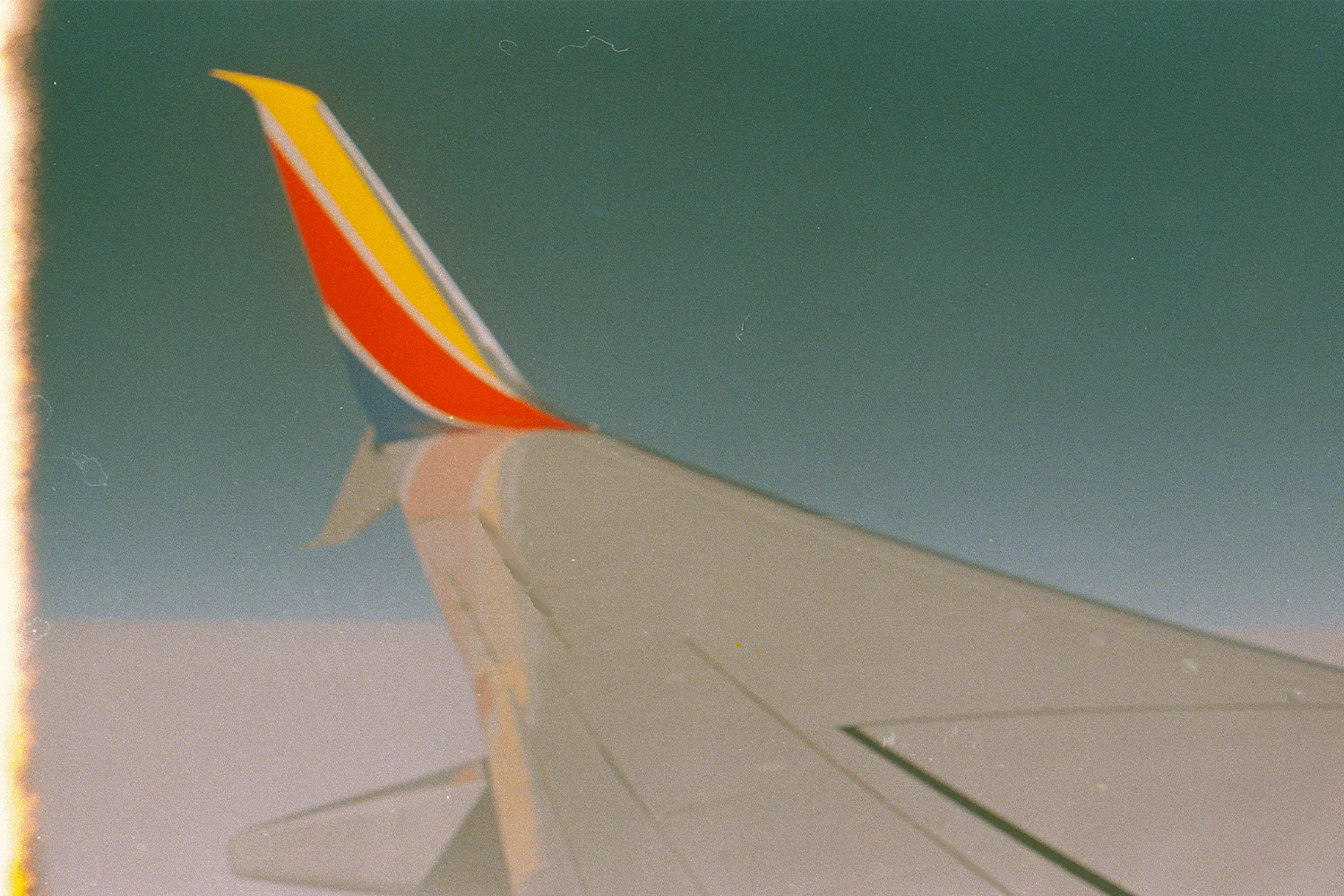
Last month, after 54 years, Southwest Airlines officially ended its open-seating policy. As expected, the move was met with a flurry of reactions, though many of the airline’s most loyal fliers were quick to voice their disappointment. One traveler called it a money grab, telling The New York Times, “I like the other way. I like the thrill of having to check in, trying to get Group A, first round.” Another lamented that Southwest was now “just like any other airline.”
Except that doesn’t appear to be entirely true. If anything, Southwest hasn’t just adopted assigned seating — it has become one of the most rigid enforcers of it.
According to View From the Wing, on a recent flight with just 26 passengers, six people were assigned seats in the same row, accompanied by “three specific announcements not to move seats.”
“Customers on Southwest report that if they’re in a middle seat and the window next to them is empty, they’re scolded not to move into it,” wrote Gary Leff. “They can’t leave that middle seat empty between the passenger in the window and aisle. You must take your originally assigned seats. They’ve even been told they couldn’t use an empty seat next to them for their lap infant.”
Of course, a policy is a policy. Still, most airlines are willing to exercise some flexibility when a flight isn’t full — provided you ask, do it before takeoff and don’t move cabins or effectively upgrade yourself. Delta Air Lines, for example, addresses this directly: “If you’d like to move to an unoccupied seat within your ticketed cabin/seat product during the flight, please ask a flight attendant — changes are at the crew’s discretion and depend on safety considerations.”
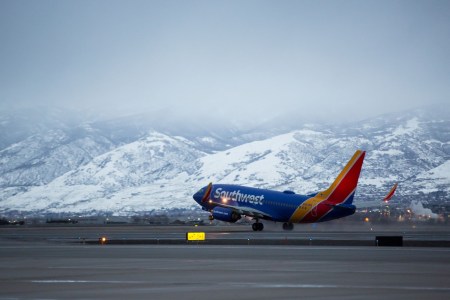
Southwest’s CEO Explained Why It’s Shaking Up Its Policies
Will it make the airline more successful in the long run?Southwest’s new approach leaves little room for that kind of nuance. That’s also evident in how the airline has revised its “customer of size” policy, which now requires plus-sized passengers who cannot fit within one seat to purchase a second one regardless of whether the adjacent seat is empty. Passengers can request a refund after the flight, but only if it wasn’t full. Previously, Southwest allowed — but did not require — customers to purchase an extra seat and would refund the cost even when the plane sold out.
To be clear, this policy isn’t wildly out of step with the rest of the industry. Most major carriers require passengers who can’t comfortably fit into a single seat to purchase a second, largely for safety and comfort reasons. What’s fueling the backlash is that Southwest long stood apart. Many plus-sized travelers chose the airline specifically because of its more accommodating stance.
“Southwest was the only beacon of hope for many fat people who otherwise wouldn’t have been flying,” Tigress Osborn, executive director of the National Association to Advance Fat Acceptance, told The New York Times.
While it’s clear these changes are aimed at boosting revenue, the strategy is a curious one. Open seating was the defining feature that set Southwest apart — and a key reason many passengers remained fiercely loyal. Doubling down on strict enforcement, particularly on otherwise empty flights, is unlikely to help the airline win back those customers. If anything, it risks alienating the very travelers who once saw Southwest not as just another airline, but as a welcome exception.
More Like This


This article appeared in an InsideHook newsletter. Sign up for free to get more on travel, wellness, style, drinking, and culture..