
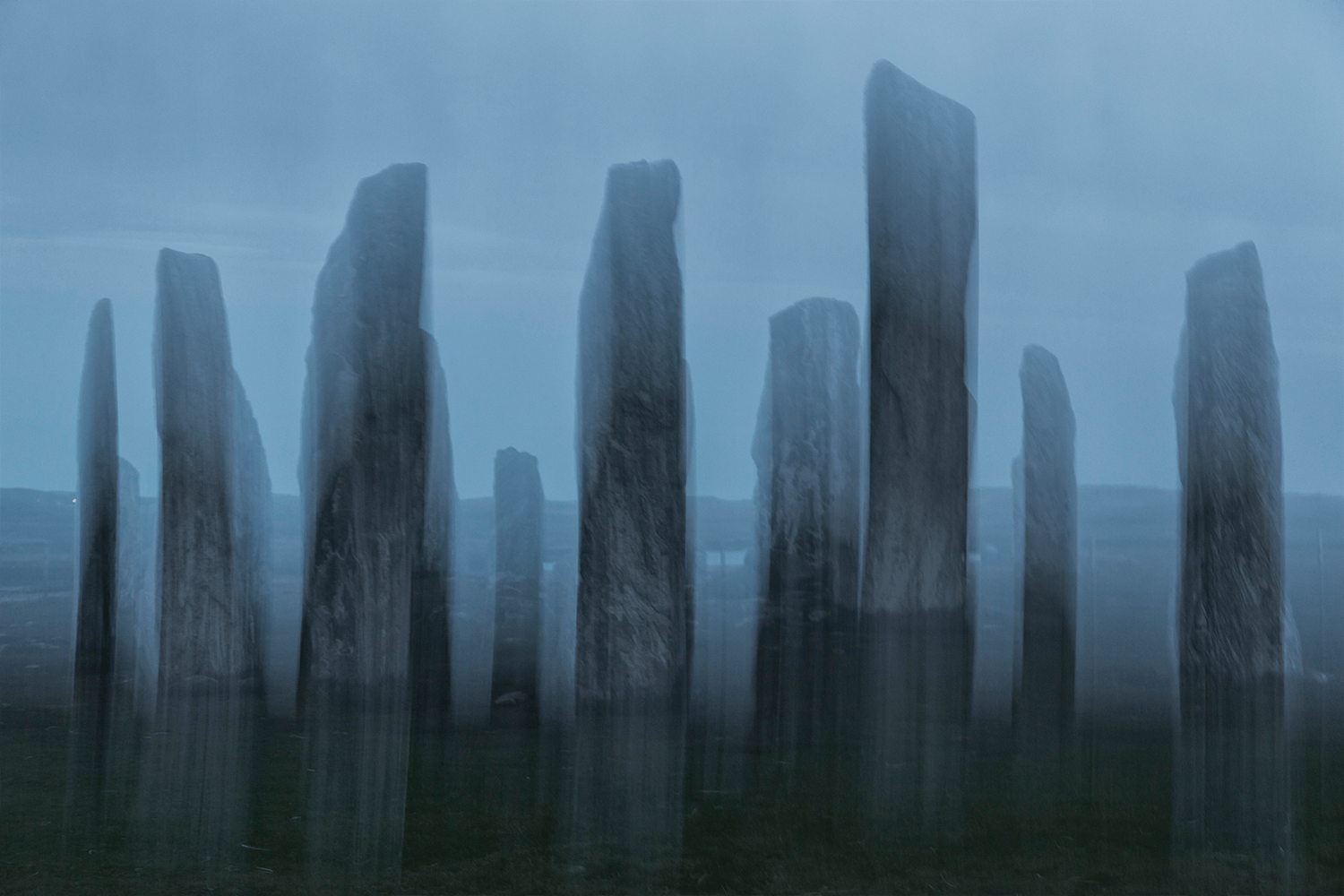
Back in December, Pinterest declared “Mystic Outlands” would be one of the biggest travel trends of 2026. If you’re not entirely sure what “Mystic Outlands” means, we’re right there with you.
“Fairytale meets fever dream in 2026’s biggest travel trend,” the trend report reads. “Millennials and Boomers will seek out whimsical and mystical destinations: distant ruins swallowed by mist, naturally occurring spirals and moody, enchanting forests.” So, in essence, the Scottish Highlands: dramatic landscapes and castle ruins cloaked in fog. The kind of place that feels magical and mysterious, and requires a little imagination.
While this trend may be inspiring more travelers to seek out these types of places this year, the basic appeal isn’t new. Stonehenge, for instance, draws more than a million visitors annually with its prehistoric stone circle. The Incan citadel of Machu Picchu in Peru — famously shrouded in Andean clouds — attracts roughly 1.5 million.
For its part, Scotland has indeed experienced a tourism boom in recent years thanks in large part to set-jetting. Last year, 22% of visitors to Scotland from outside Europe cited a TV show, specifically Outlander, as the reason for their trip. The truth is, places like these have captivated travelers for centuries, and for myriad reasons beyond fleeting trends.
Still, Pinterest data suggests the fascination is intensifying: In its trend report, the platform noted that searches for “Scottish Highlands aesthetic” were up 465% from September 2024 to August 2025 compared to the same period a year before.
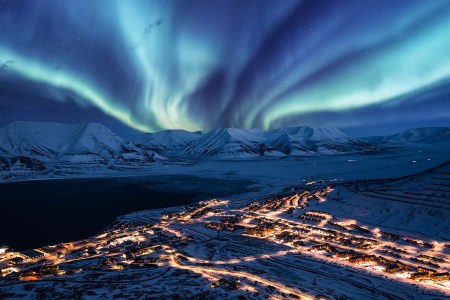
5 Remote Cold-Weather Islands You Need to Visit
Forget the swimsuit and flip-flops, you’ll need a parka and hiking bootsBut the trend isn’t limited to Scotland. Across the North Atlantic and beyond, destinations defined by striking landscapes and a sense of ancient mysticism are seeing renewed interest. The Faroe Islands, with their grass-roofed villages and magnificent cliffs rising from the North Atlantic, are also garnering a lot of attention on Pinterest. Iceland’s volcanic landscapes and geothermal valleys have a similar feel, while places like Ireland’s Skellig Michael, a craggy island previously home to a monastic settlement, feel almost tailor-made for the mystic outlands aesthetic.
So why the sudden spike in interest? The answer is a bit more nuanced than you might expect. In a recent interview with Vogue, Simon Hunt of luxury travel company Scott Dunn said of the trend, “A few defining elements tend to surface. A palpable sense of energy tied to the land, ancient rituals and living traditions, otherworldly landscapes and experiences that invite reflection.”
It makes sense that, in a country that often feels like it’s nearing a boiling point, American travelers would gravitate toward quiet places that invite introspection and a sense of connection, something the modern world rarely encourages. As the Shop Shop marketing agency put it, “Mystic Outlands is what happens when travel stops being about proof.” Instead of chasing checklist items, travelers are chasing a feeling.
In an era of travel often defined by jam-packed itineraries and social-media moments, mystic outlands offers travelers the chance to slow down and relish in the quiet. In 2026, I can think of no greater form of luxury travel.
More Like This


This article appeared in an InsideHook newsletter. Sign up for free to get more on travel, wellness, style, drinking, and culture..