
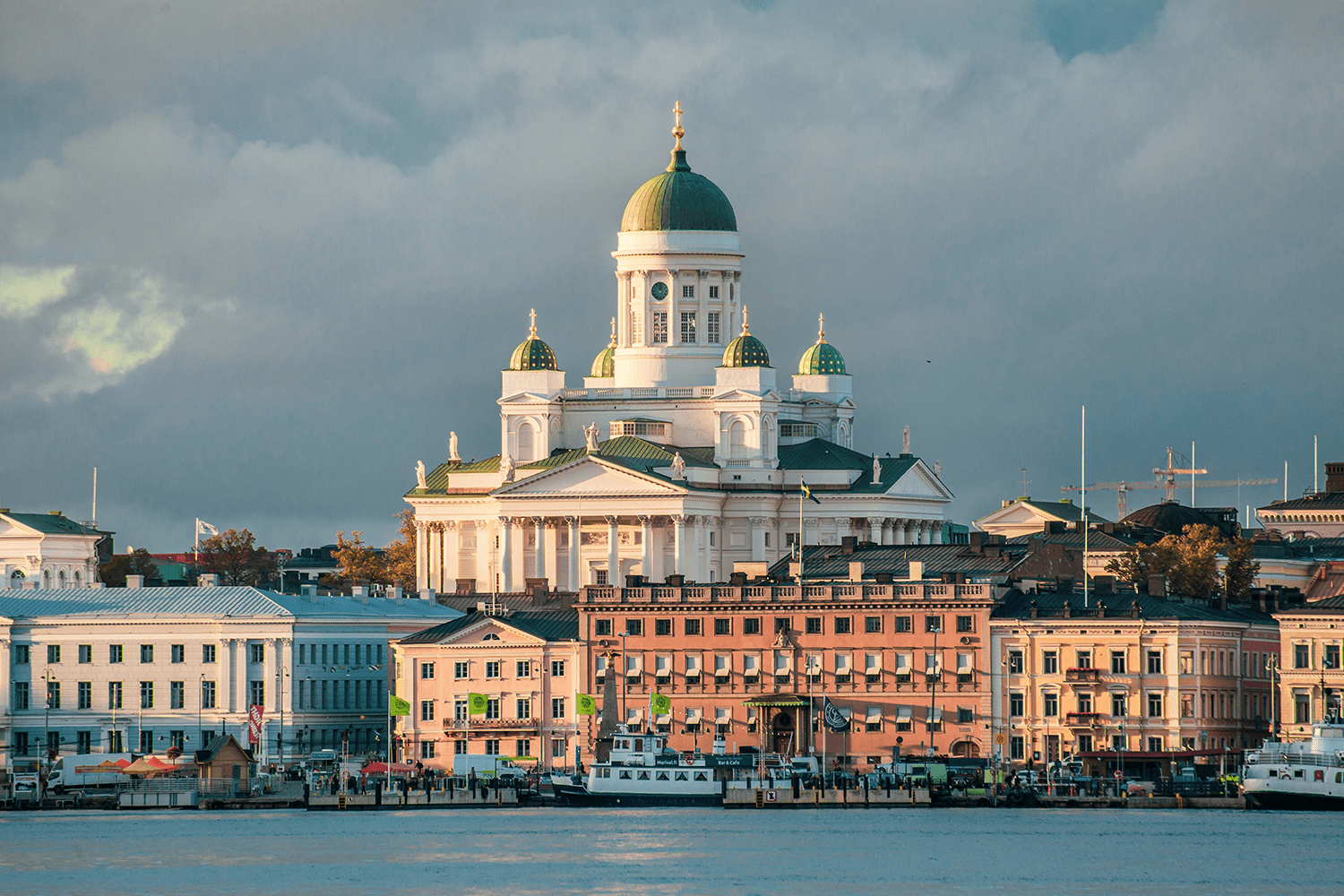
I landed in Finland on a cold-to-me but warm-to-them 32-degree spring morning. I’d been invited to explore the country, starting in Helsinki before heading inland to Tampere, the sauna capital of the world. It felt like a chance to sweat and reset. Flying Finnair from New York set the tone before I ever landed, with an experience that reflected many of the values I’d soon encounter on the ground.
It was then — and still is — a strange time to be living in the United States. The country feels frayed, shaped by political tension perpetually nearing a boiling point and a growing sense that everything costs too much. With its quiet streets, unhurried people and nature woven into daily life, Finland felt like the exact opposite. It is, as you may have heard ad nauseam, the happiest country in the world for the eighth year running.
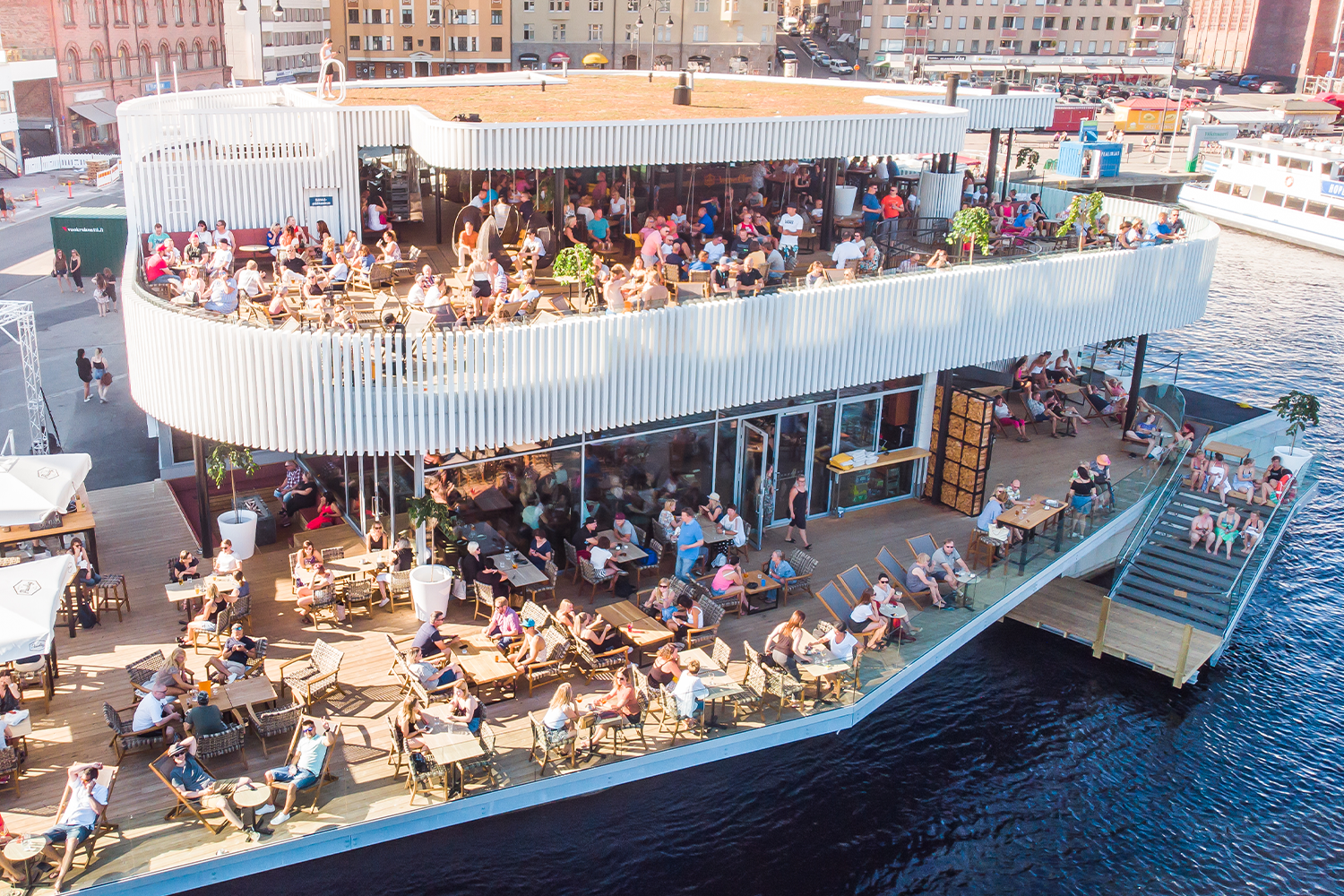
I’d heard that statistic plenty of times but never really stopped to consider what it meant. Maybe because it’s hard to imagine a society not grinding itself down for diminishing returns or happiness thriving in a cold, dark Nordic country. And yet, that first morning, the city was buzzing. After checking into my hotel, I walked to the nearby Allas Pool, a gathering place with various pools and saunas. It was packed with locals — on a Tuesday. Priorities.
How to Spend a Perfect Weekend in Helsinki
Where to stay, eat and play in Finland’s capital city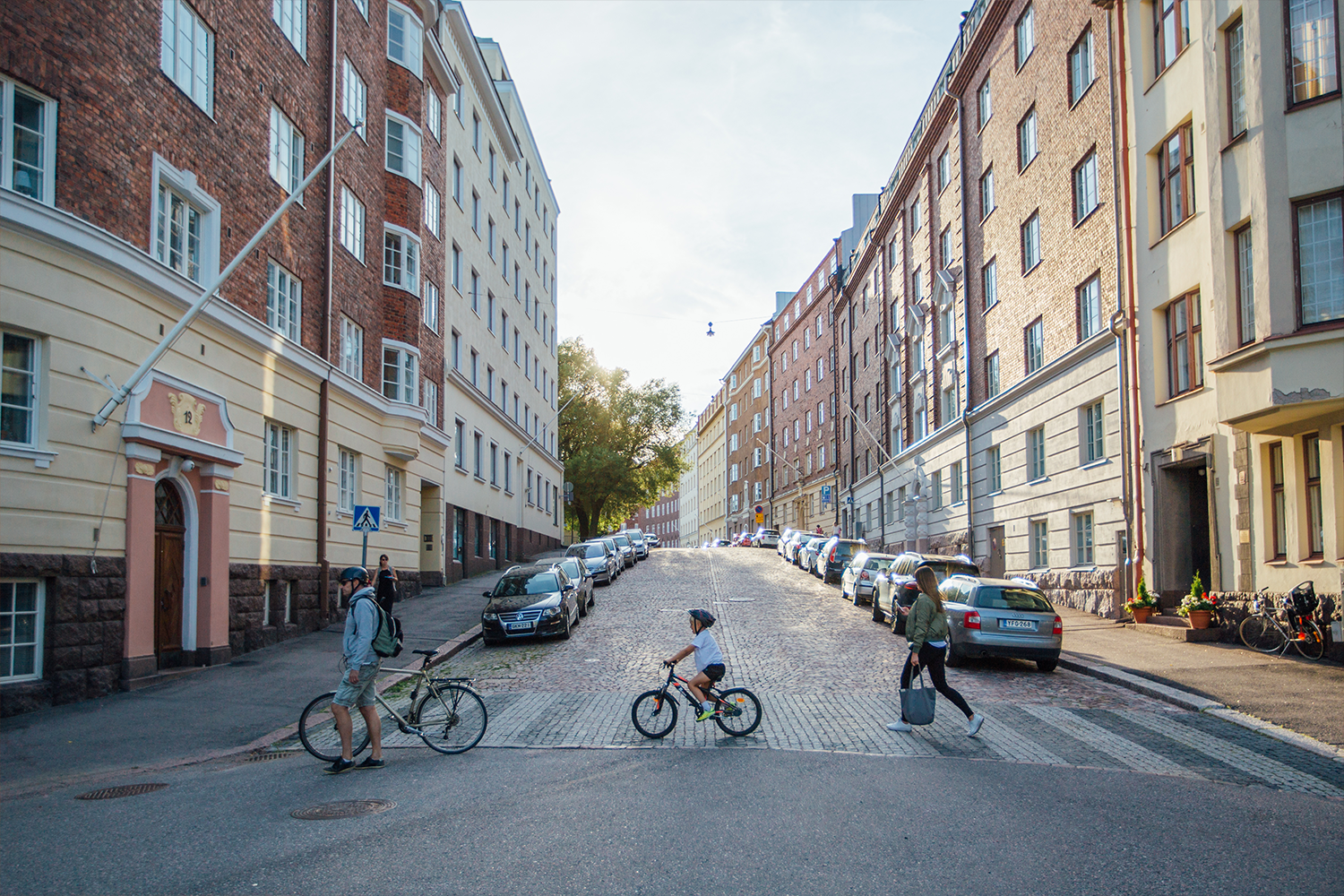
The Happiness Paradox
Finland’s first-place happiness ranking comes from the World Happiness Report, produced by the Wellbeing Research Center at the University of Oxford in partnership with Gallup. Countries are scored using the Cantril Ladder, which asks respondents to rate their lives on a scale from zero to 10, from the worst possible life to the best. By this measure, happiness isn’t about daily joy or optimism, but stability: safety, trust, social support and confidence in the future. In 2024, Finland scored a 7.74. The United States scored 6.7, placing 24th, below countries like Costa Rica, Mexico, Canada and Slovenia. And that gap isn’t about mood — it’s about systems.
I’m 34, living in the second-most expensive city in the world, with student debt, a wedding ahead and big questions about what comes next. I consider myself lucky, but like many people my age, I spend a lot of time wondering what contentment actually looks like for me and how to reach it. So while I officially went to Finland to learn about sustainability, unofficially I went to understand why Finns are so happy.
Candy Day and Community Spaces
Clues appeared immediately. Over dinner, a local told me about “Candy Day,” a weekly tradition when kids are allowed to eat sweets, which was originally designed to curb sugar consumption. She described it with such affection that it felt less like a rule and more like a ritual. Later, close to 10 p.m., the sun was just beginning to set. “The best time of year,” someone told me. More light means more time outdoors, and more time outdoors means more happiness.
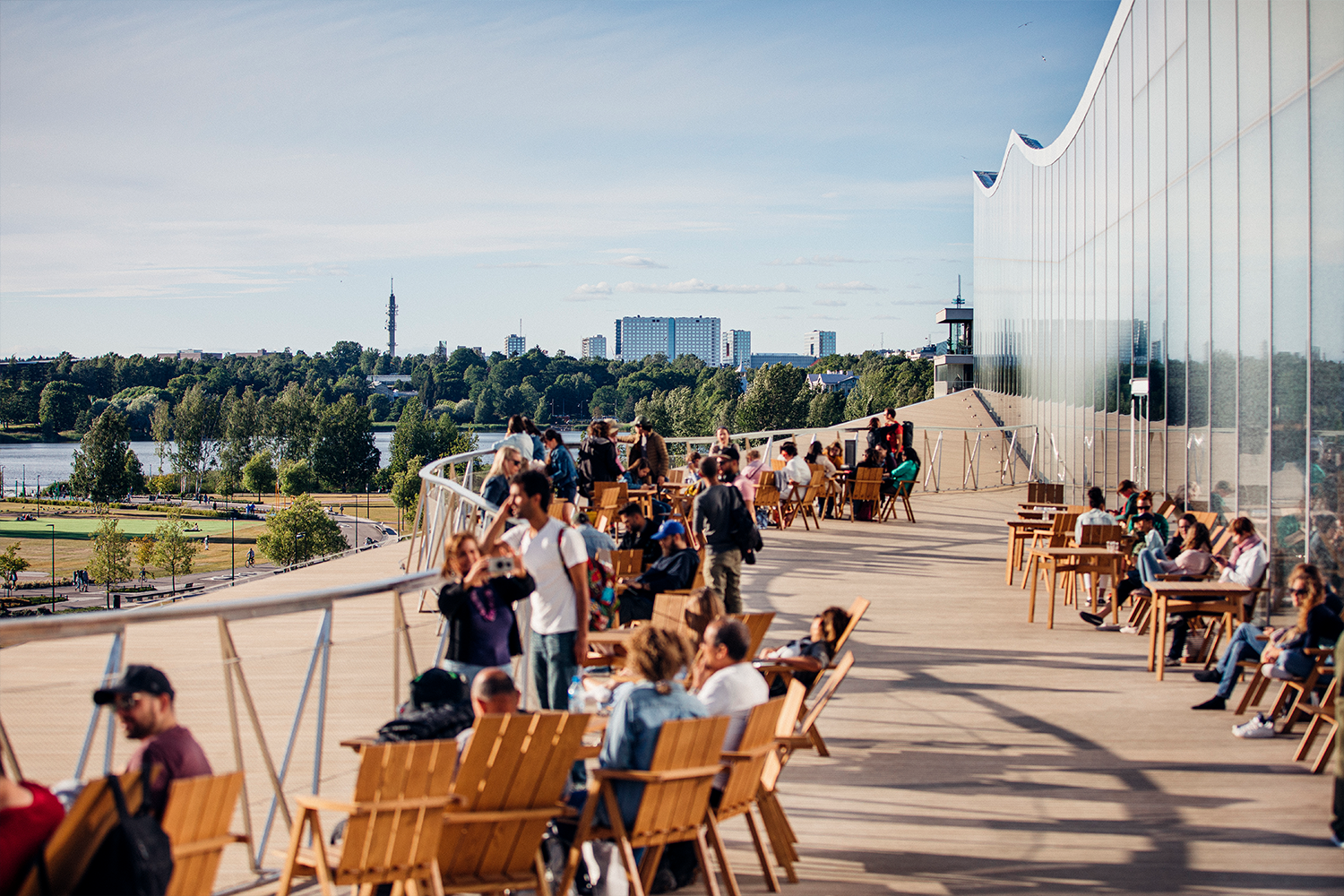
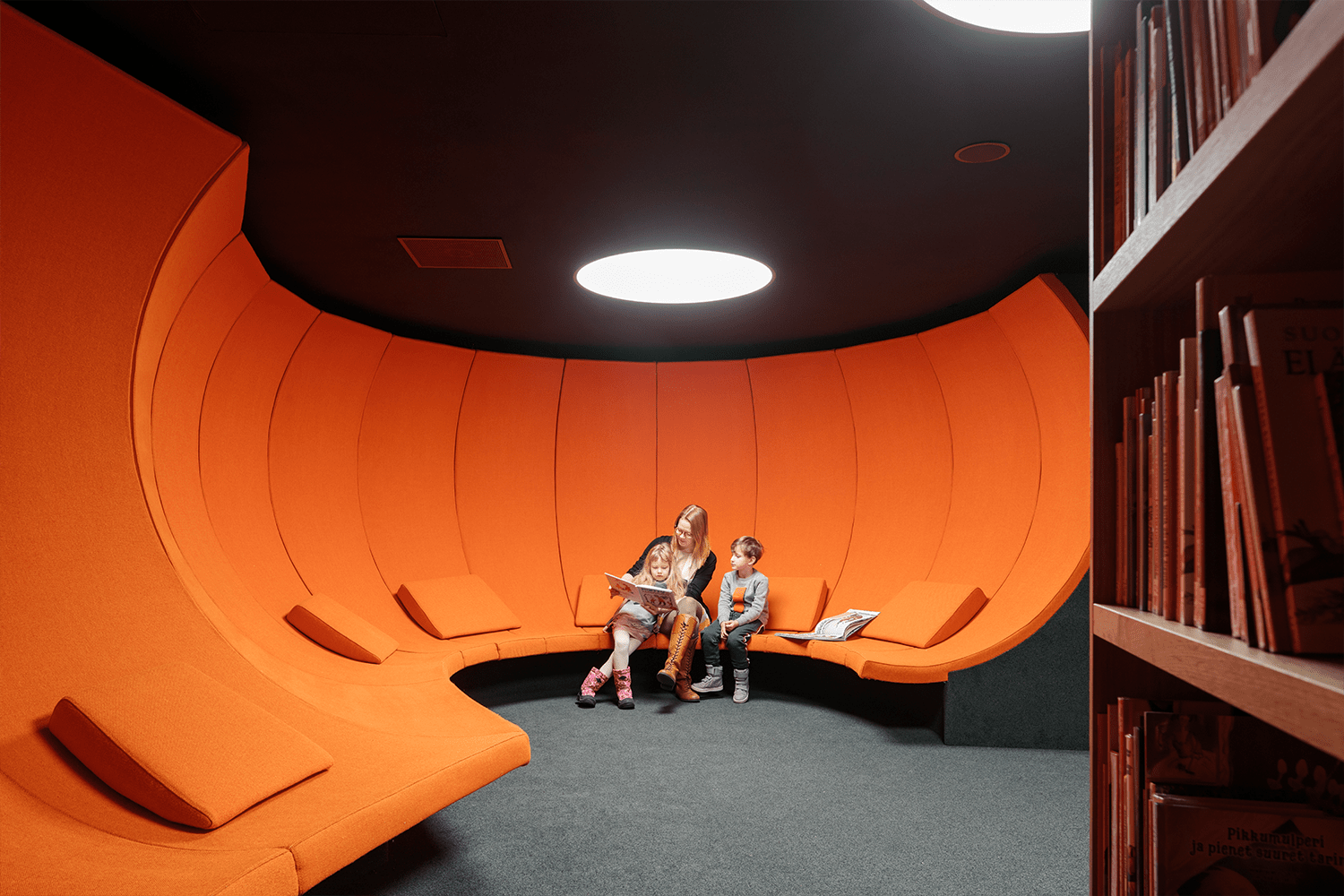
But it isn’t just sweets and sunlight. It’s the underlying social contract — a deep trust in institutions and in one another — that softens daily life. Public spaces are designed to welcome people in rather than push them out. Oodi, for example — Helsinki’s central library — functions a sort of civic living room, complete with workspaces, recording studios, 3D printers, sewing machines and a teaching kitchen, all of which are free. When I visited, nearly every space was in use.
That distinction became even clearer as I began to see Finland through the lens of sustainability.
Contentment and Sustainability Are Not Mutually Exclusive
Environmental consciousness here is a lived practice. In 2025, Helsinki became the first city of its size to earn a major international sustainability certification for tourism (the Green Destinations GSTC certification). Meanwhile, recycling is second nature. In 2020, Finns returned more than two billion bottles and cans, 93% of what was sold. Green transit, clean design and a circular economy aren’t separate from daily life — they’re what make daily life good.
Social sustainability is just as visible. Kids receive free school lunches. Housing-first policies ensure everyone has a place to live. Sauna culture doubles as a social outlet. Universal childcare makes participation in daily life possible for more families. Reliable public transit is treated as a social good, not a luxury. Even as an outsider in town for a short visit, the collective investment in well-being is palpable.
Slow Living, Finnish-Style
Work-life balance reinforces it all. Finns have long had the flexibility to shift their working hours, and many choose when and where they work. Without a rat race to sprint through, life slows. One host described a daily ritual of an open-water swim followed by a sauna. Another visits a park every single day.
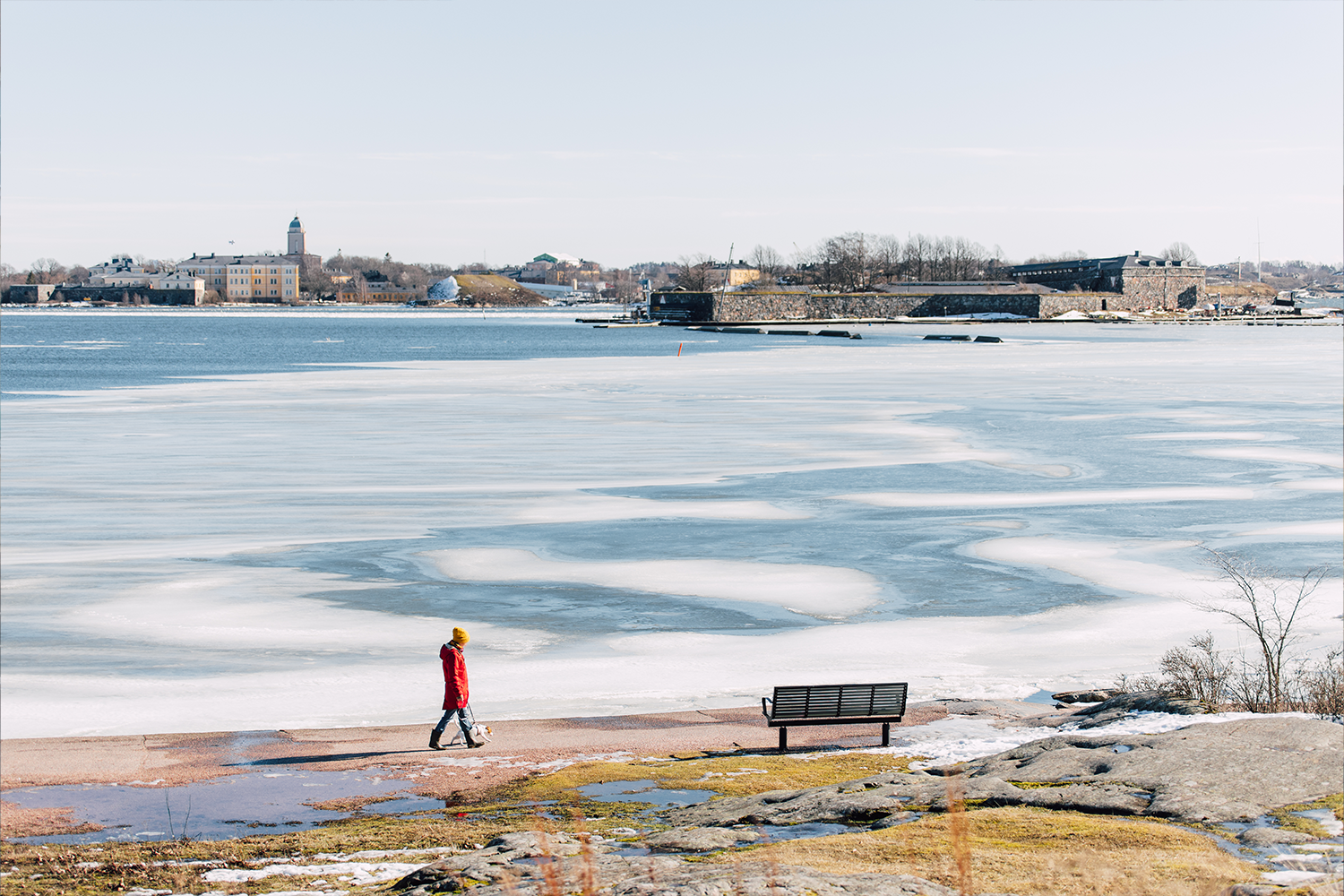
As a traveler, your nervous system responds almost immediately to this change of pace. Cafés are quiet. Transit is calm. During the course of a week, I moved in and out of saunas more than I have in decades, never checking the time. I plunged into 40-degree ocean water and surfaced clear-headed. I foraged native plants around Suomenlinna, a UNESCO-listed island fortress. I walked Tampere’s Pyynikki Nature Reserve without seeing a single bottle cap, despite it being one of the city’s busiest green spaces. It was just one more lesson in what’s possible when care for place is assumed — and how profoundly we all benefit when it is.
Leaving the Burnout Behind
By the time I left, the American burnout I carried at home had loosened its grip. Finland wasn’t the escape I was anticipating so much as a counterexample — proof that happiness can be engineered through stewardship of place, of time and of one another. Once you experience it, it’s hard not to wonder why so much of the world insists on doing it the harder way.
More Like This



We're always on the scene eating, drinking and traveling near and far to bring you the best of what's happening out in the real world. Sign up for IRL now.