
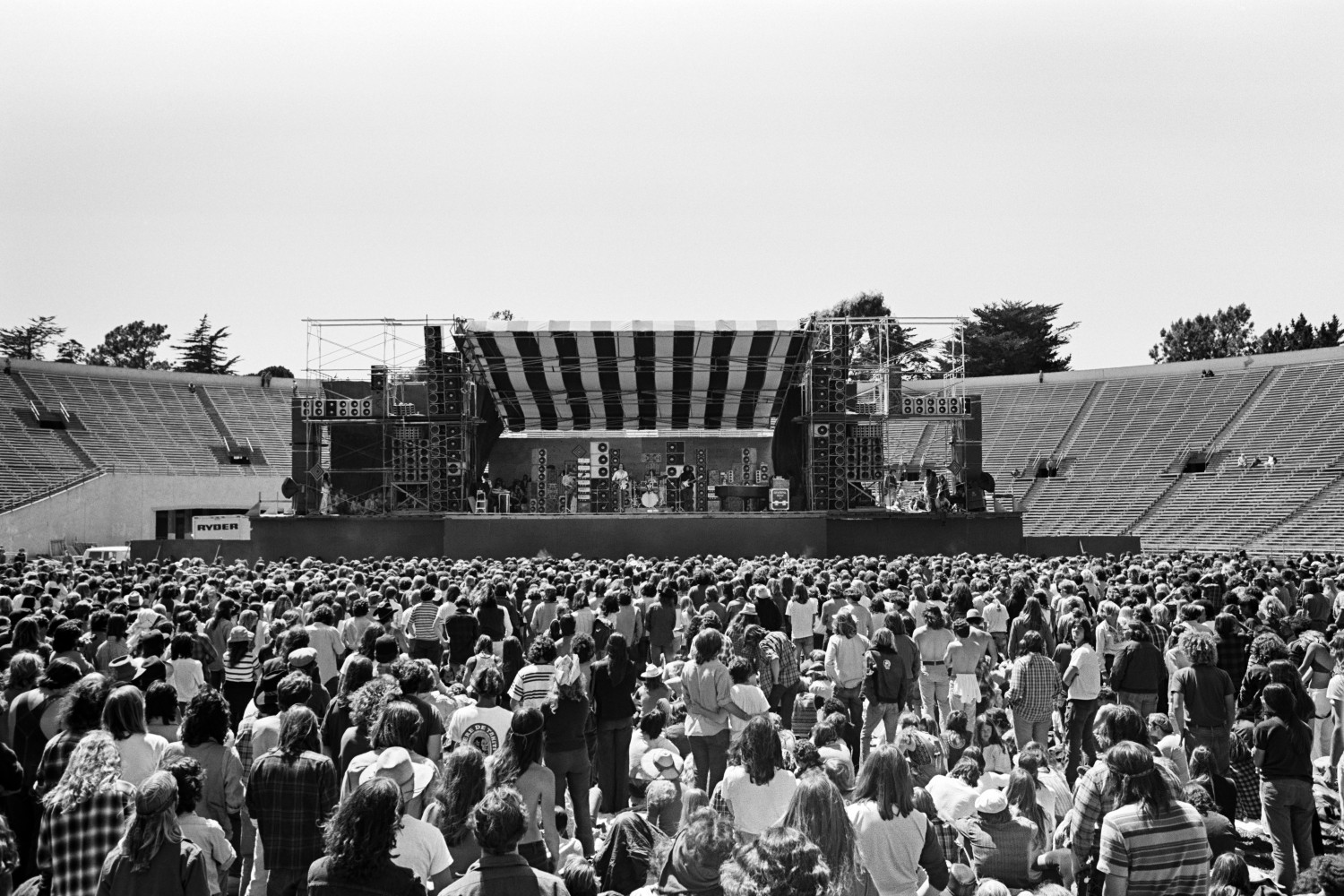
One of the most influential American musicians of the last seventy years has left the stage. This weekend brought news that Bob Weir, the guitarist who co-founded the Grateful Dead and kept the band’s legacy going with Dead & Company, died at the age of 78. It’s hard to understate the influence of both Weir and the band he helped found on rock music, psychedelia and jazz; there’s also the matter of Weir showing the logistics of spending a decades-long career in music.
Weir’s family announced his death via a post on social media. “It is with profound sadness that we share the passing of Bobby Weir,” they wrote on Instagram. “He transitioned peacefully, surrounded by loved ones, after courageously beating cancer as only Bobby could. Unfortunately, he succumbed to underlying lung issues.”
In a post on BlueSky, critic Steven Hyden addressed the challenges of speaking to Weir’s enormous musical legacy. “Really hard to know what to say right now,” Hyden wrote. “Just an absolute giant of American music.” Weir is the second Grateful Dead co-founder to die within the last 18 months. His colleague Phil Lesh died in October 2024 at the age of 84.
In a review of an anniversary edition of Weir’s solo album Ace, Andy Cush spoke of Weir’s evolving role within the Grateful Dead, as well as his onstage presence and its contrast to that of Jerry Garcia. “[H]e grew into a sort of second frontman: affable and workmanlike, the guy onto which the audience could project themselves, his easy relatability a natural foil to Garcia’s gnomic mystique,” Cush wrote.


How the Grateful Dead Created the Accidental Future of Sound
“Loud and Clear” by Brian Anderson argues that the band’s most ambitious experiments weren’t musical or culturalWhile Weir continued touring with many of his old bandmates in Dead & Company, he also continued making music both on his own and with a series of collaborators, including as a member of Bobby Weir & Wolf Bros. In Pitchfork’s review of Weir’s 2016 solo album Blue Mountain, Jesse Jarnow called the album “[a]uietly adventurous, wise and a welcome late-career turn” — while also praising “the vocal gravitas developed during Weir’s two decades of life and music after the Dead.”
“There is no final curtain here, not really,” the family added in their statement. “Only the sense of someone setting off again. He often spoke of a three-hundred-year legacy, determined to ensure the songbook would endure long after him.” Weir has certainly taken plenty of steps to do precisely that, and a rich discography remains there for the listening.
More Like This


This article appeared in an InsideHook newsletter. Sign up for free to get more on travel, wellness, style, drinking, and culture..