
Luxury hotels, in theory, exist to offer guests the warmest hospitality and most attentive service, all within impeccable surroundings. So why does it feel like so many of them are trying to rip me off?
I’m not talking about the exorbitant price of booking a room, though true value can be hard to find there, too. I recently stayed at an all-villa property in the Caribbean from a brand widely regarded as one of the world’s finest, where a one-bedroom villa cost $5,500 a night. But I’d argue the room wasn’t even worth $550, so it was no surprise that, off-season or not, the resort sat nearly empty.
My actual gripe, though, is when these same properties, already charging you double your monthly mortgage for a short stay, decide they need to squeeze you for every extra dollar they can while you’re there. Because in their misguided minds, we aren’t guests that deserve to be catered to — we’re a captive audience with a bank account ready to be drained.
The most stark example of this was a stay last fall at a rumored five-star hotel in Miami Beach that positions itself as “an iconic luxury Miami hotel.” I felt like I was in a combative marriage where small moments of confusion turned into larger disagreements and ongoing discomfort. The most egregious example was the way they handled gratuity. I’m a 20%-is-standard kinda guy and happy to give more when I’m well taken care of, but I want to be the one who makes that choice. At this hotel, 20% gratuity was built into the check across their restaurants and bars, a fact that was undisclosed until you signed a bill often presented on a tablet. So I double tipped and didn’t realize until afterwards.
At best, the system was unclear, and at worst, it was a disingenuous attempt to make customers pay twice. I’d even wager that one of the “tips” was kept as an in-house profit boost rather than dispersed to staff. A guest who is figuring this out in real time 1) worries they’re undertipping if they’re unsure if gratuity is built in and/or 2) ends up ripped off by a property they’ve chosen to visit under the pretenses of a relaxing luxury hotel stay.
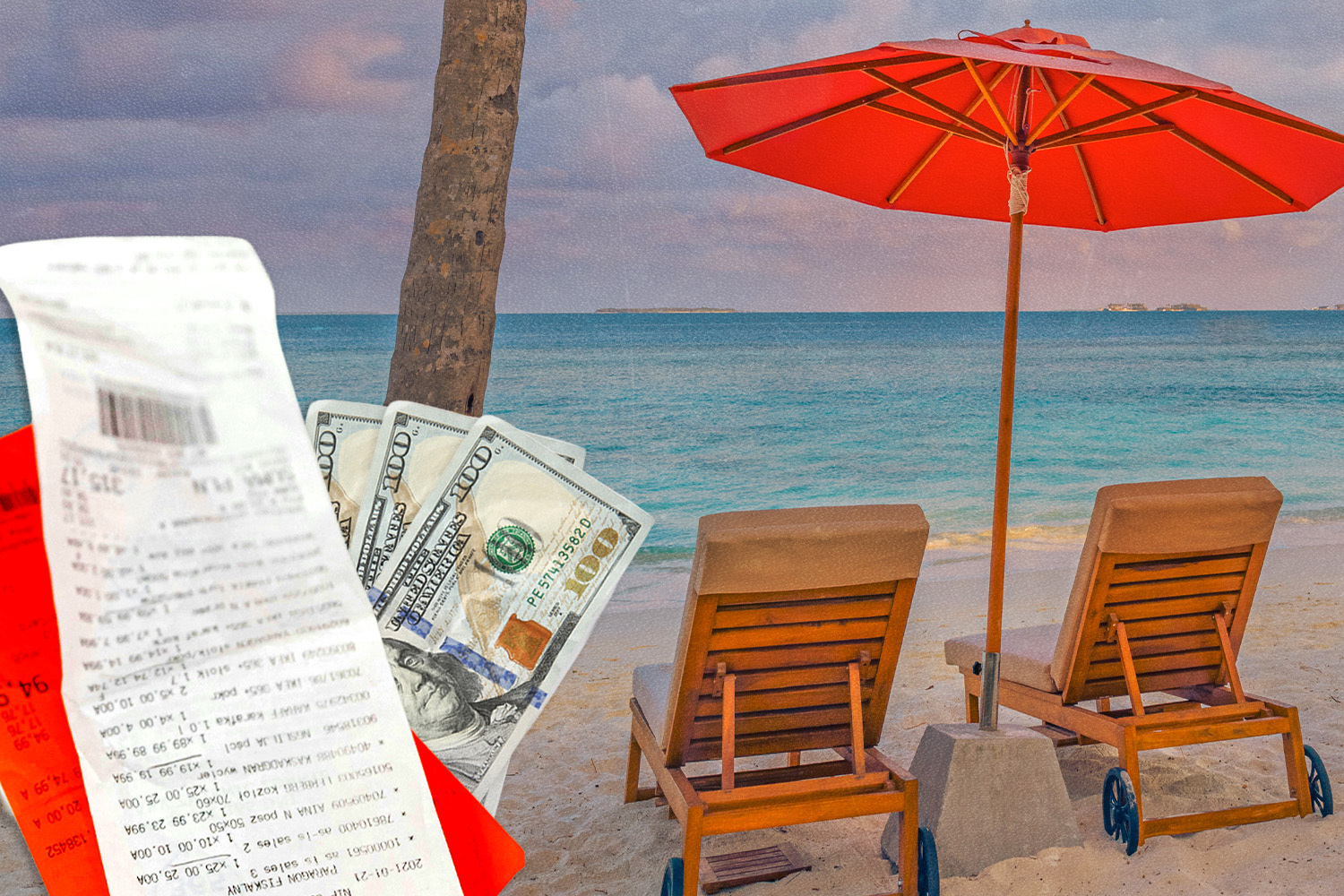
Everything at this property came with a fee. Want to use our lounge chairs but also need an umbrella so you don’t roast in the sun? That’s a charge. Want a bucket of ice delivered to the room? We’re right on it — for a charge.
This same hotel had rooms featuring what I refer to as the “1990s Las Vegas-o-Matic Minibar.” I bet you know it already. It’s the type where if you move a can of soda from its pre-slotted position, you’re charged whether you consume it or not. It means you can’t even chill your own beverages because you can’t move anything around without paying for it.
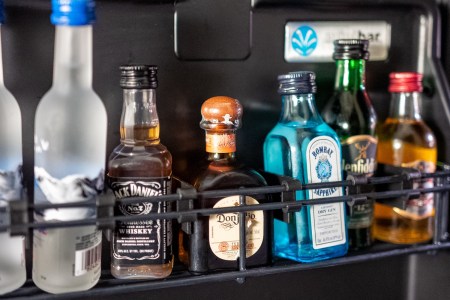
The Weighted Hotel Minibar Is Wildly Outdated
The minibar is supposed to encourage spontaneous indulgence. Sensors totally kill the mood.Luxury Hotels Acting Anything But
The above example is a hotel I’ll never go back to, and trust me, they’re well aware of this even though I’m not mentioning them by name. And they’re not the only culprits in the widening gap between true luxury hotels and those skating by, thanks to a star-rating system that doesn’t take into account whether or not they deliver the real expectations of their guests.
I’ve seen the weighted minibar in no less than half a dozen five-star hotels in the past year. One of them had the audacity to call this system an “honor bar” when it’s the exact opposite of an honor bar.
The automated system is bad enough, but there are also properties that showcase an exploitative pricing model for any extras or amenities. I recently took note of a minibar in one New York City hotel charging $18 for a 12-ounce can of a big-brand American beer. If they reduced their profit margin to a measly 200% or 300%, I might have given it a try.
Many hotels provide a full fleet of bathroom toiletries to guests who forget something or have an unexpected need. But at another five-star hotel in the city this year, Band-Aids were available — for a charge. So if you’re hemorrhaging on their carpet, you best be sure you’re ready to commit to an exorbitant price to stop the bleeding.
Hotel laundry is notoriously overpriced, and as someone who lives their life on the road, this a near-constant challenge for me. There’s charging too much because you know you can, and then there’s the near-criminal gall of asking for $12 to launder a pair of socks. I could book an economy ticket to Southeast Asia and drop off my laundry at a same-day wash-and-fold for less money than doing a week’s worth of laundry at this property.
I’ve stayed at dozens of beachfront resorts in Mexico while reporting several stories on the region in recent years, and one unfortunate trend I’ve come across is needing to verify you’ve paid the final bill before being allowed into your car transfer to the airport. This happened at two unrelated five-star properties in Riviera Maya, wherein you need to obtain a physical paper ticket from the front desk and provide it to the bellmen who show it to the driver before you can leave. Because apparently all hotel guests are known thieves who skip out on their bills.
As embarrassing as this whole rigmarole is, the amusing part is these hotels took my credit card at check-in anyway. So if, ostensibly, I attempted a frenzied, mad-dash exit to get away scot-free from the $18 beers I was drinking and $12 socks I was laundering, they could charge me for it before my driver made it past the front gate.
An easy fix and superior approach to many of the above issues is to provide complimentary services and amenities, even if is means increasing base room rates. If these hotels added an extra 2% to their nightly rates in order to provide staff with the wiggle room to make mini moments of magic happen at their discretion, would a guest paying into this price tier even notice the change? Probably not. But it would provide a monumental shift in experience — having attentive service and thoughtful amenities built in rather than being nickel-and-dimed.
There Are Positive Hotel Outliers, Too
Not all hotels leave such a foul impression. There are loads of wonderful properties that still manage to cater to their guests in standout ways. While I wasn’t naming names for the above sordid bad actors, I’m happy to shout out properties who seem to have legitimate respect for their guests and understand the concept of hospitality. It’s an operational standard that encourages first-time visitors to become repeat customers, recommend their brand and leave strong reviews. As it happens, this actually increases profits and business the old fashioned way — by exceeding expectations rather than exploiting consumers.
The Grand Hotel Fasano in Lake Garda, Italy has a history stretching back to 1888. They offer a nightly ritual of complimentary glasses of bubbles on a terrace that overlooks the lake in all of its splendor. In true Italian aperitivo fashion, an assortment of snacks are provided as well, including a rotating lineup of chef-made appetizers and vegetable chips from a local purveyor that were so tasty, we looked them up after the trip to see if we could order them direct. The GHF team created an atmosphere in which guests continued to be surprised and delighted by receiving more. Small asks turned into big wins the way they took any request and ran with it, delivering above and beyond even when they didn’t need to. It’s that kind of hospitality that creates repeat guests.
New signature suites at The Surrey, A Corinthia Hotel on the Upper East Side of Manhattan come equipped with an enchanting mirror-backed, marble-countered bar cabinet loaded with pristine glassware, bar accessories, high-end booze and snacks. And they’re priced to move. Premium bottled cocktails from New York Cocktail Company cost $60 for a 375ml bottle. While that might not seem “cheap,” they are good for about four cocktails, which makes the in-room minibar more affordable than going downstairs to the swanky restaurant or lounge.
At The Darcy, a boutique property in Washington, D.C., stylish, locally-inflected rooms offer guests an array of bonuses. There are complimentary bike rentals and a daily lobby happy hour where complimentary signature cocktails are served. Guests receive a book delivery to their room as part of their Silent Book Club offering. The property hadn’t been on my radar prior to this particular stay, but those small touches left a favorable impression I’m bound to remember.
Small touches, little bonuses, memorable gestures — these beat the hell out of arguing with the front desk about a bag of chips you didn’t eat but got charged for anyway. Hotel guests are just that: guests. And many purported luxury hotels would be wise to go back to treating them as such.
More Like This



We're always on the scene eating, drinking and traveling near and far to bring you the best of what's happening out in the real world. Sign up for IRL now.