
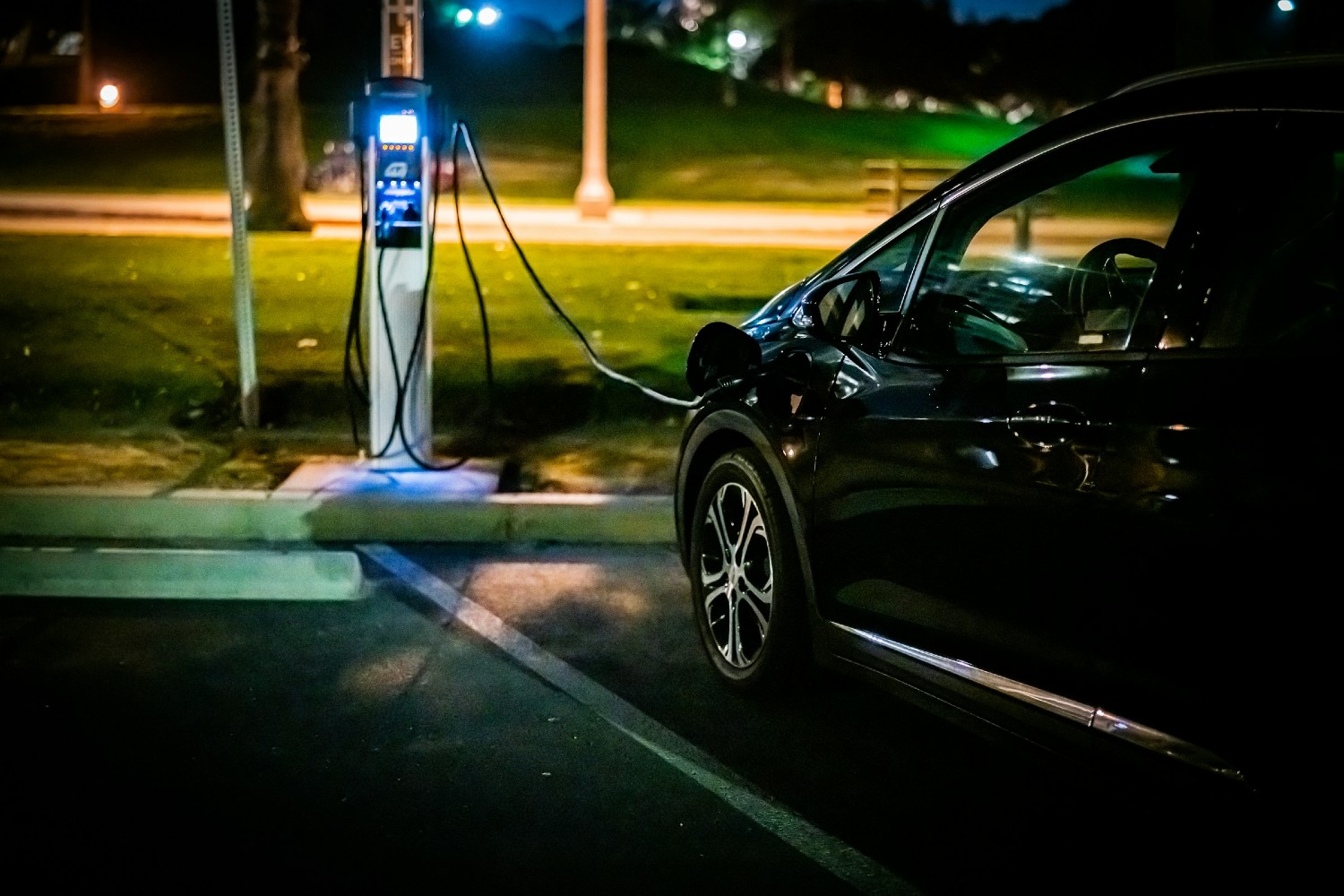
In a recent dispatch from this year’s Detroit Auto Show, two Tufts University professors expressed alarm at what they described as the U.S. auto industry slowing down its adoption of electric vehicles. Their article alludes to “the U.S. pullback on EV production” — and there have been plenty of signs of U.S. automakers revising ambitious electrification plans.
Does that mean that the future of driving in the U.S. looks a lot like the last few decades? Recent data on the construction of fast charging stations complicates that narrative, and indicates that investments in infrastructure are still underway, even with an administration in the White House that is much more hostile to the idea of EVs.
This data comes from Paren, a company that collects data from and about EV charging stations. Paren recently released a report on the state of fast charging in the United States in 2025. They referred to the year that was as “a breakout year for U.S. fast charging,” despite some industry forecasting suggesting that the opposite was true. Paren cites one point of data in particular to reinforce this point: the addition of around 18,000 DC fast charging ports over the course of the year, which represents a 30% increase from 2024.
Also up by around 30% year over year? Demand for fast charging. According to Paren’s data, fast chargers across the country were responsible for 141 million sessions in 2025.
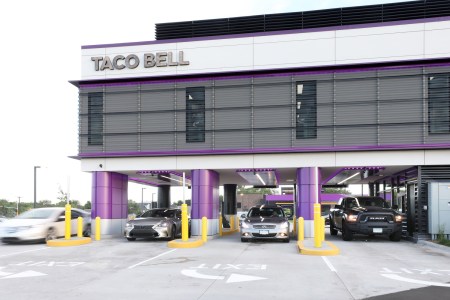
Charging and Chalupas: Fast Food Chains Begin to Offer EV Power
Taco Bell, Subway and 7-Eleven are rolling out plugs for electric vehiclesOne interesting (and encouraging) trend had to do with the number of ports per station. Both Tesla and companies other than Tesla added a significant number of charging stations with 10 or more ports. Tesla rolled out 353 such stations, while non-Tesla companies added 184 stations that fit this criteria.
Paren described this trend as “Tesla maintaining its large-site model, while non-Tesla operators catch up by deploying more capacity per location.” With a broader eye on the industry, it will be interesting to see if Tesla discontinuing two of its models in a shift to robotics will have an impact on its fast charging strategy as well. It’s something to keep an eye on when the 2026 version of Paren’s report is issued.
More Like This


This article appeared in an InsideHook newsletter. Sign up for free to get more on travel, wellness, style, drinking, and culture..