
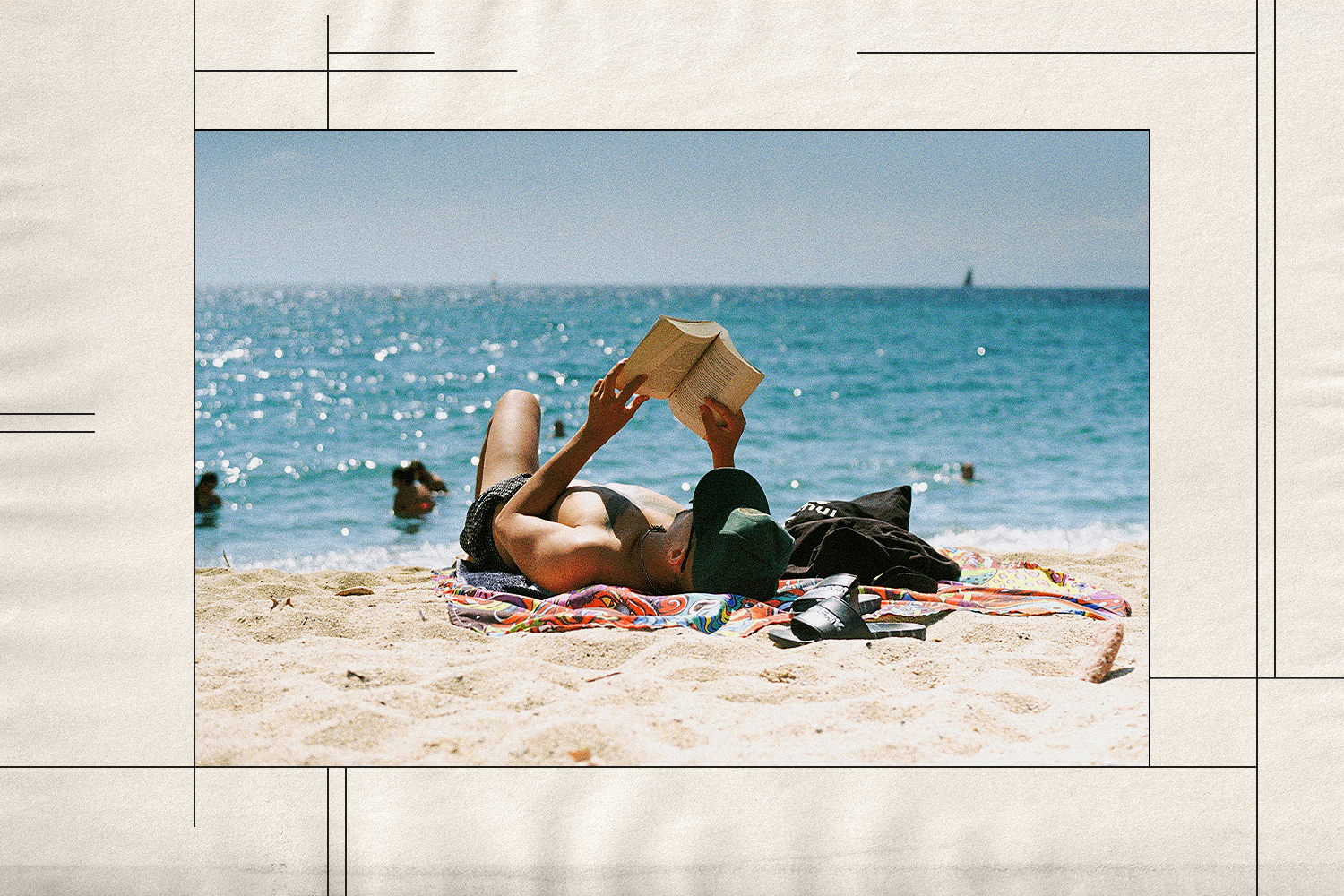
Recent discourse has begged the question: Why aren’t men reading fiction? Are they reading anything at all? In this monthly series, we’re talking to men in literary spaces about the books they think other guys should check out right now. Whether it’s revisiting a classic, getting engrossed in a memoir or devouring something fast paced and action packed, there’s bound to be something here for any reader to enjoy.
If you’re the type of reader who only has time to pick up a book every now and then, this is the month to finally dive in — whether it’s a new rising bestseller you have your eye on or a title that’s been slowly accumulating dust on your bookshelf. June is one of the biggest months of the year for the publishing industry: Vacations are looming in the distance, and it’s time for readers like you to pick up that one highly anticipated book you’ll finally have the time for. They don’t call slews of summer book releases “beach reads” for nothing.
There are so many books being released across all genres this month that I turned to the experts in pursuit of the best books men should read in June. Some are old, some are new, but all of them deserve a spot on your “to be read” list.
And given the array of new titles coming out this month, it would be wrong to not highlight a few of them, like Whistler, the latest novel from Pulitzer Prize finalist Ann Patchett, or Land, the latest from the author of Hamnet, Maggie O’Farrell. Ultimately, you can’t go wrong with any of these.
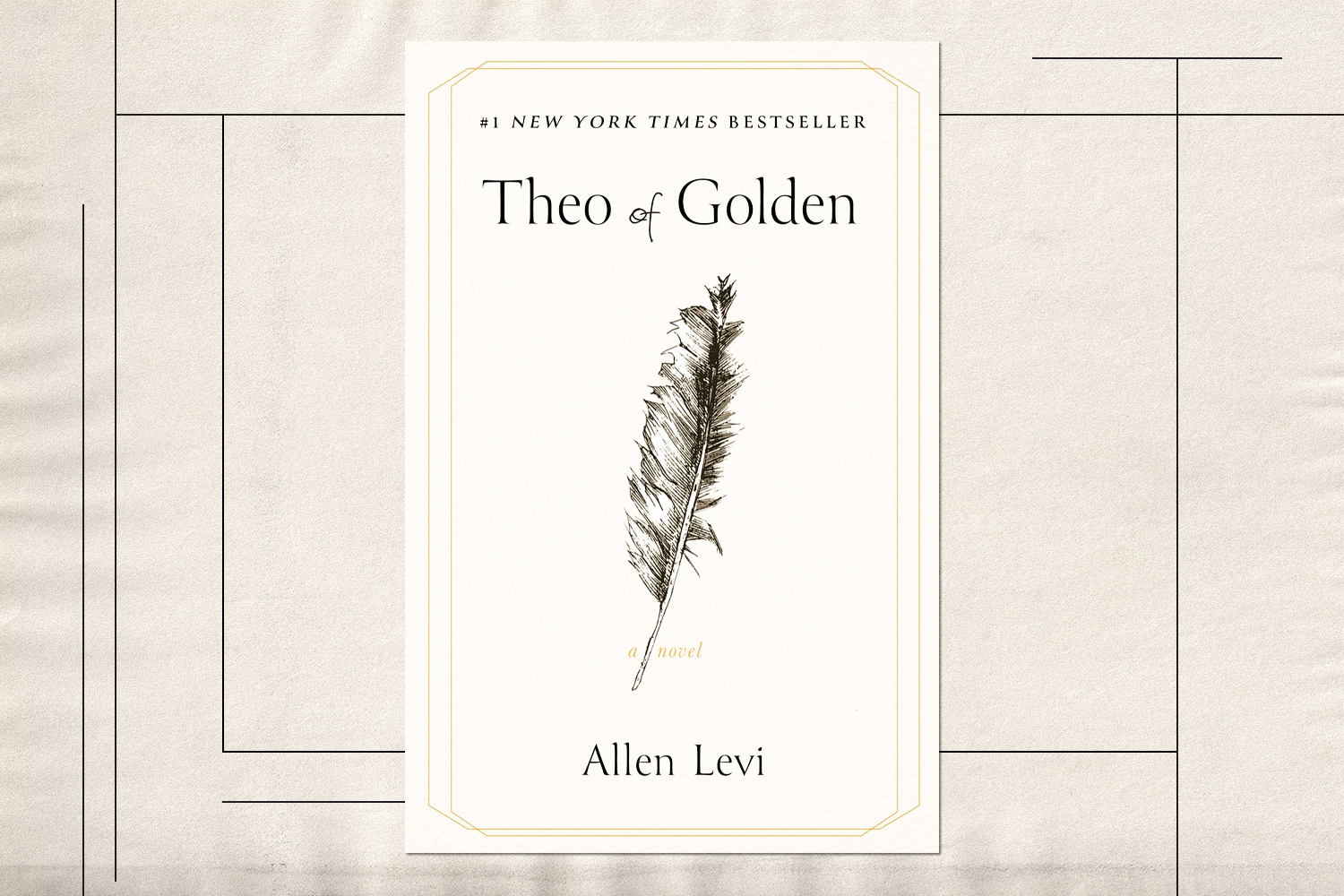
Theo of Golden by Allen Levi
“One book I think more men should be reading right now is Theo of Golden by Allen Levi. It’s a quiet, deeply human novel about an older artist who arrives in a small Georgia town and slowly changes the lives of the people around him through conversation, generosity and genuine attention to others. It’s not plot-heavy in the traditional sense, but that’s exactly what makes it memorable. As a man, I think a lot of us are taught to move through life guarded, emotionally distant or constantly focused on achievement and productivity. Theo of Golden pushes against that mindset in a really meaningful way. Theo is thoughtful, emotionally present, creative and kind, and the book shows how much impact a man can have simply by paying attention to people and leading with empathy. It reminded me that masculinity doesn’t have to be loud or performative to be powerful. Allen Levi writes with a warmth and sincerity that feels increasingly rare. By the end, the book left me feeling more hopeful, more reflective and more intentional about the kind of person I want to be. I think a lot of men would see parts of themselves in this book and maybe even walk away from it changed a little. This book is now one of my favorites of all time, and it’s a story that will stick with you long after you finish. Happy reading.” — Myles Bryant, follow on TikTok and Instagram
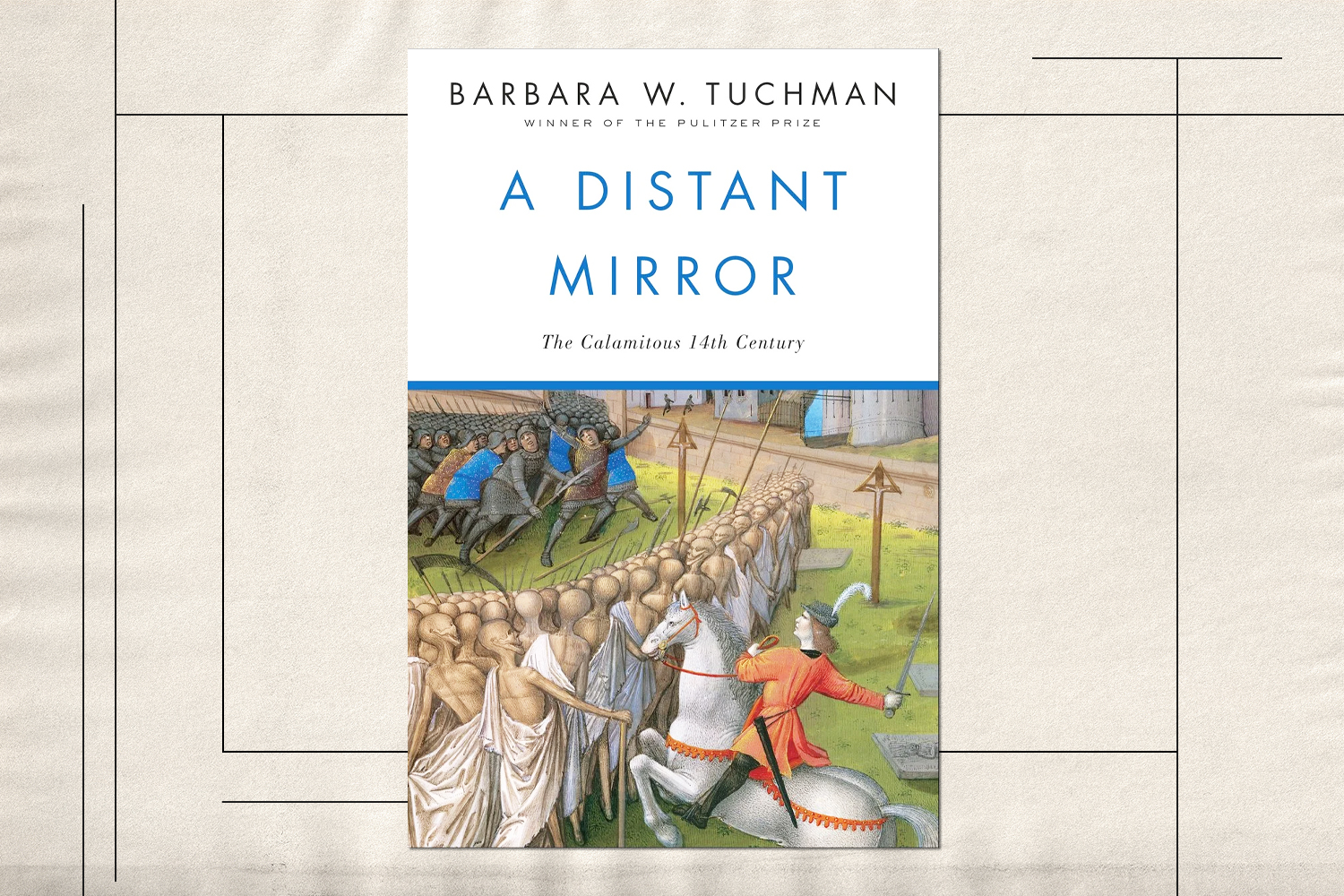
A Distant Mirror by Barbara W. Tuchman
“It’s my opinion that every summer deserves one big old millstone of a history book. In 2026, we’re locking in and reading a nearly 800-page book about possibly the worst time ever to be alive (so far). Barbara W. Tuchman’s A Distant Mirror (1978) is about a single century, the 1300s, when medieval Europe was going through what we can mildly call a bit of a rough patch. There were nonstop wars, religious schisms, peasant revolts and, of course, the recurring bubonic plague, which killed roughly one in every three people. Spending hours learning about all these awful calamities may sound like a slog, but Tuchman’s writing is so good and brimming with so many God-tier details that it flies by. This story has something for everyone: battles, castles, marriages, feasts, antipopes. Reading about terrible times in the past always fills me with hope. Yes, the book’s account of human behavior — intolerance, stupidity, cruelty, venality —feels depressingly familiar. But what is amazing is that through it all, people managed to not only survive decades of catastrophe but keep a written record during the whole dang time. If some friar named Jean could do it, so can we!” — Eloy Bleifuss Prados, literary agent at Neon Literary
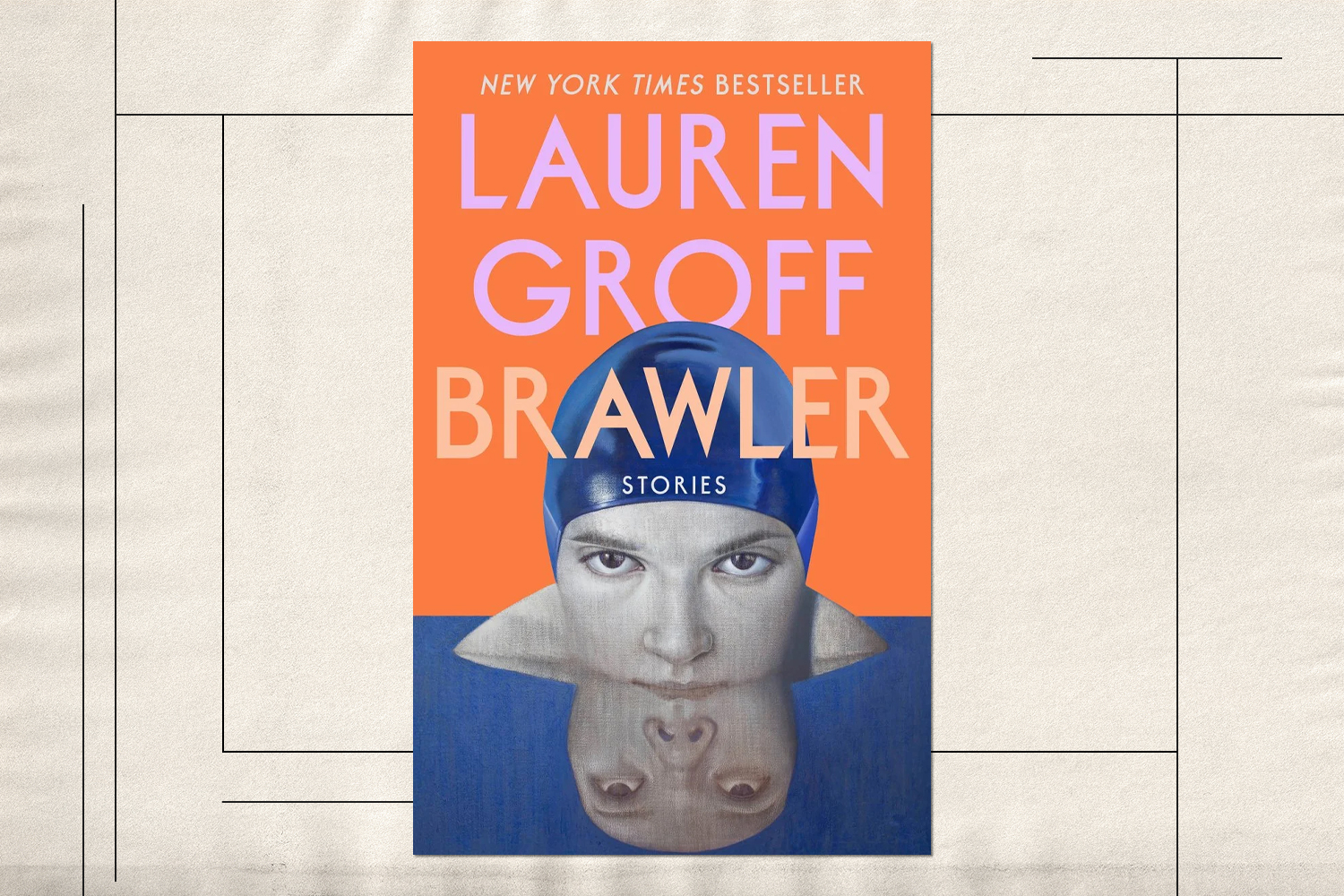
Brawler by Lauren Groff
“I’m a big believer in reading with the seasons. Donna Tartt’s The Secret History goes down stronger in the fall when mixed with your own memories of first stepping foot on campus, just as The Sun Also Rises crackles when you’re baking in the summer sun like Jake in Pamplona. That’s why I’m not going to recommend Lauren Groff’s Matrix, the thrilling novel I just finished about a 12th-century English nun. It’s wild, brutal, sensual — basically nothing you’d expect from a book ‘about a 12th-century English nun’ — but better suited for fall and winter reading. Instead, do what I’m about to do and pick up Groff’s recent collection of short stories, Brawler. The characters at the center of these nine tales run the gamut from a banking scion who goes to a family cottage to detox to ‘a hot-tempered high school swimmer in need of an adult,’ with many of them exploring ‘the tectonic shifts that can suddenly crack open seemingly secure families.’ You’ll get Groff’s singular lens that sees the details other writers ignore and sets them aflame in digestible stories you can quickly immerse yourself in during summer’s messy days of travel and leisure.” — Alex Lauer, Features Editor
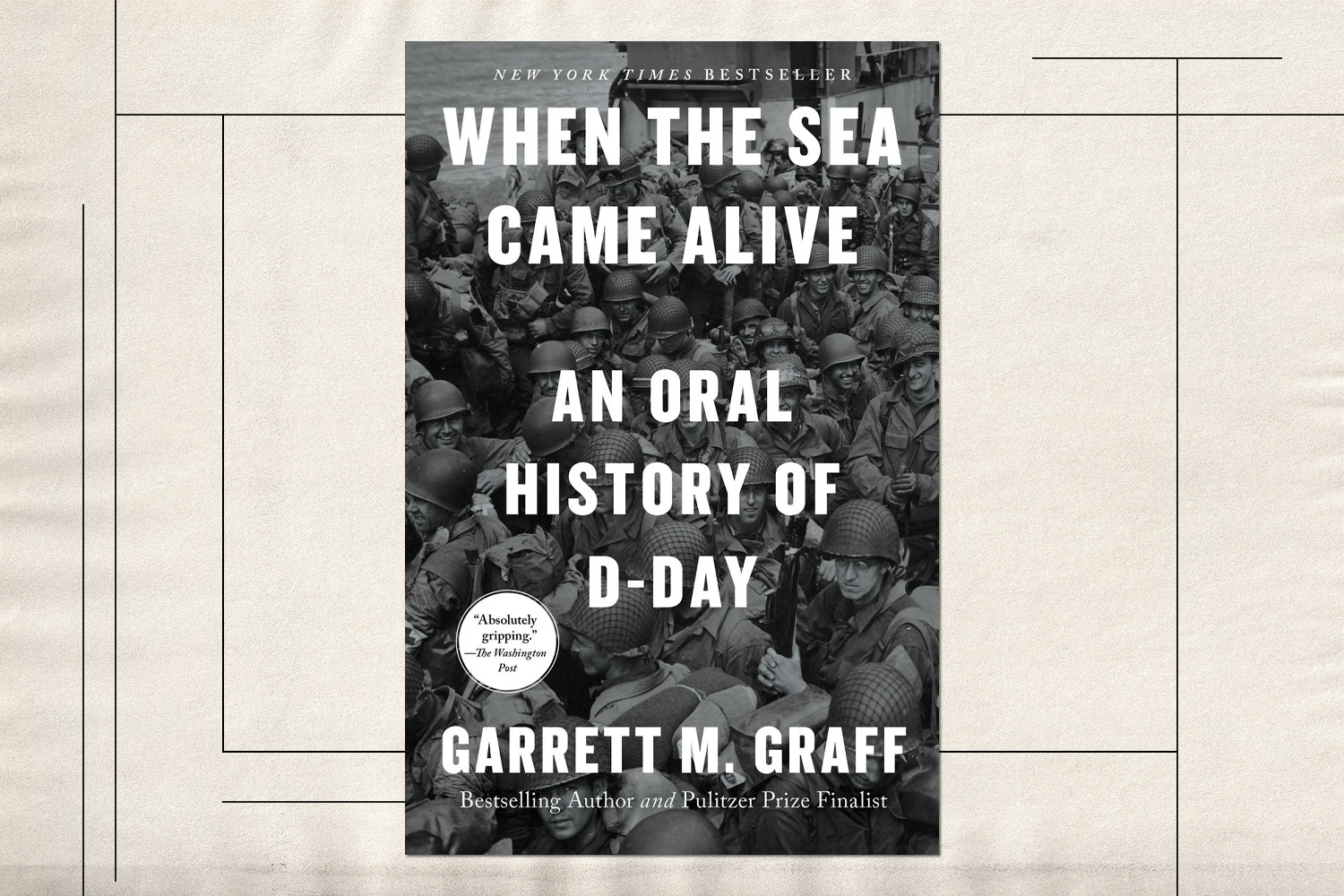
When the Sea Came Alive: An Oral History of D-Day by Garrett M. Graff
“There is no shortage of books that tackle the events surrounding June 6, 1944, which means that any new addition to that particular shelf needs to find a unique entry point into the defining military operation of World War II. Graff’s oral history, deftly told via the perfect balance of interviews, correspondences and the author’s own research, takes the reader through the opening days of WWII and onto the Normandy beaches in a manner that both stresses the gravity and might of D-Day while keeping the spotlight deservedly fixed on the individuals who endured it. All the expected names are present — Churchill, Eisenhower, Hemingway, Roosevelt, MacArthur — and they show us, in their own words, just how agonizing, uncertain and brutally consequential every decision surrounding the invasion truly was. But it’s the time we spend with the heretofore anonymous soldiers, like Private J Robert Patterson (474th Antiaircraft Artillery Automatic Weapons Battalion) and Pfc. Felix Branham (Company K, 116th Infantry Regiment, 29th Division), that truly drives the history-altering impact of D-Day home. I imagine that not everyone enjoys reading about war or military history, but When the Sea Came Alive is more than that. It’s sitting at the feet of the veterans who lived it, listening to them tell their stories, keeping their legacies alive as we continue to strive to learn from the past in hopes that, one day, perhaps history won’t be doomed to repeat itself.” — Alec Shane, senior literary agent at Writers House
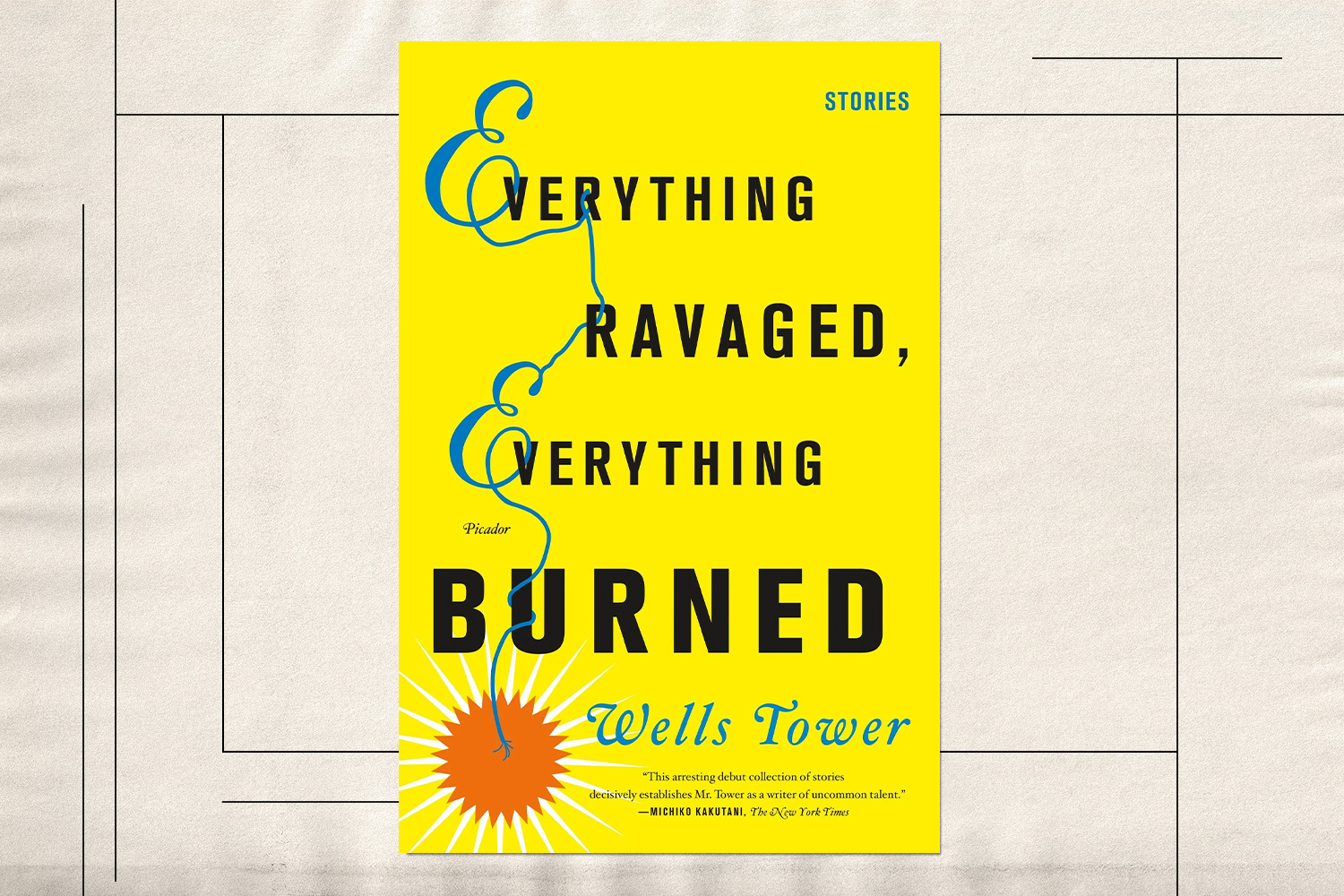
Everything Ravaged, Everything Burned by Wells Tower
“I was a junior and senior in college when I read most of Wells Tower’s stories. When a new one would appear — In Harper’s, Paris Review or McSweeney’s, to name a few venues — it was an event. I was lucky to have a university library that carried these magazines and journals, and I’d race over and cozy up in a love seat near the periodicals, gulping each one down in a sitting. When his collection of stories Everything Ravaged, Everything Burned was published in 2009, I was pleased to discover that the stories had been heavily reworked, allowing for me to read them anew. Towers writes about masculinity with biting humor, tenderness and sentence-level wizardry. He’s a voice I miss in the literary world.” —Ashton Politanoff, author of Dad Had a Bad Day
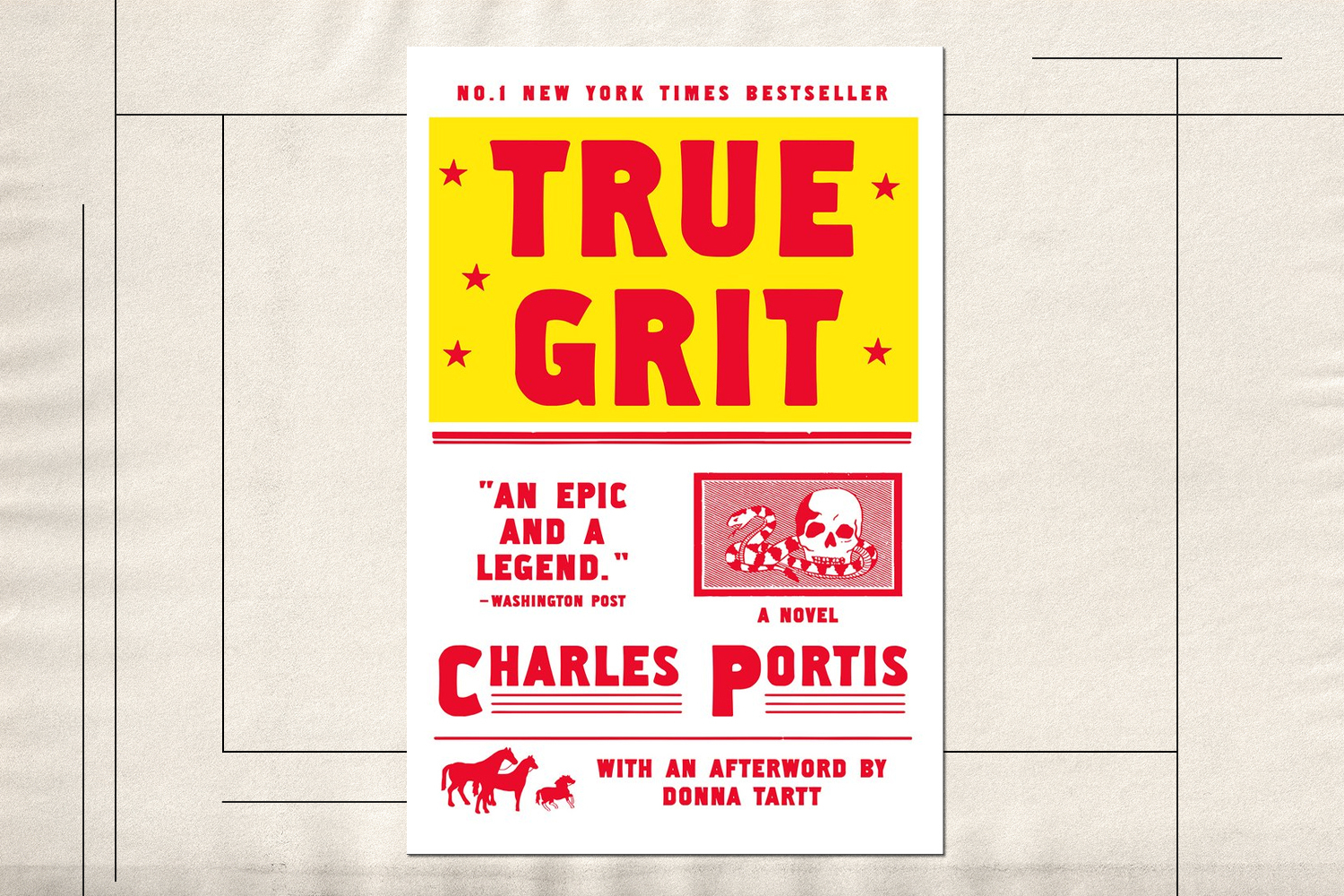
True Grit by Charles Portis
“I may not strike readers as a fan of westerns, but in fact I studied in Montana and came to love the genre. And True Grit by Charles Portis is one of the finest works of American literature. Told by an older Mattie Ross looking back on her younger self’s search for justice, it is simply storytelling at its finest. A must for all readers, especially writers. Plus: snakes!” — Andrew Sean Greer, author of Villa Coco
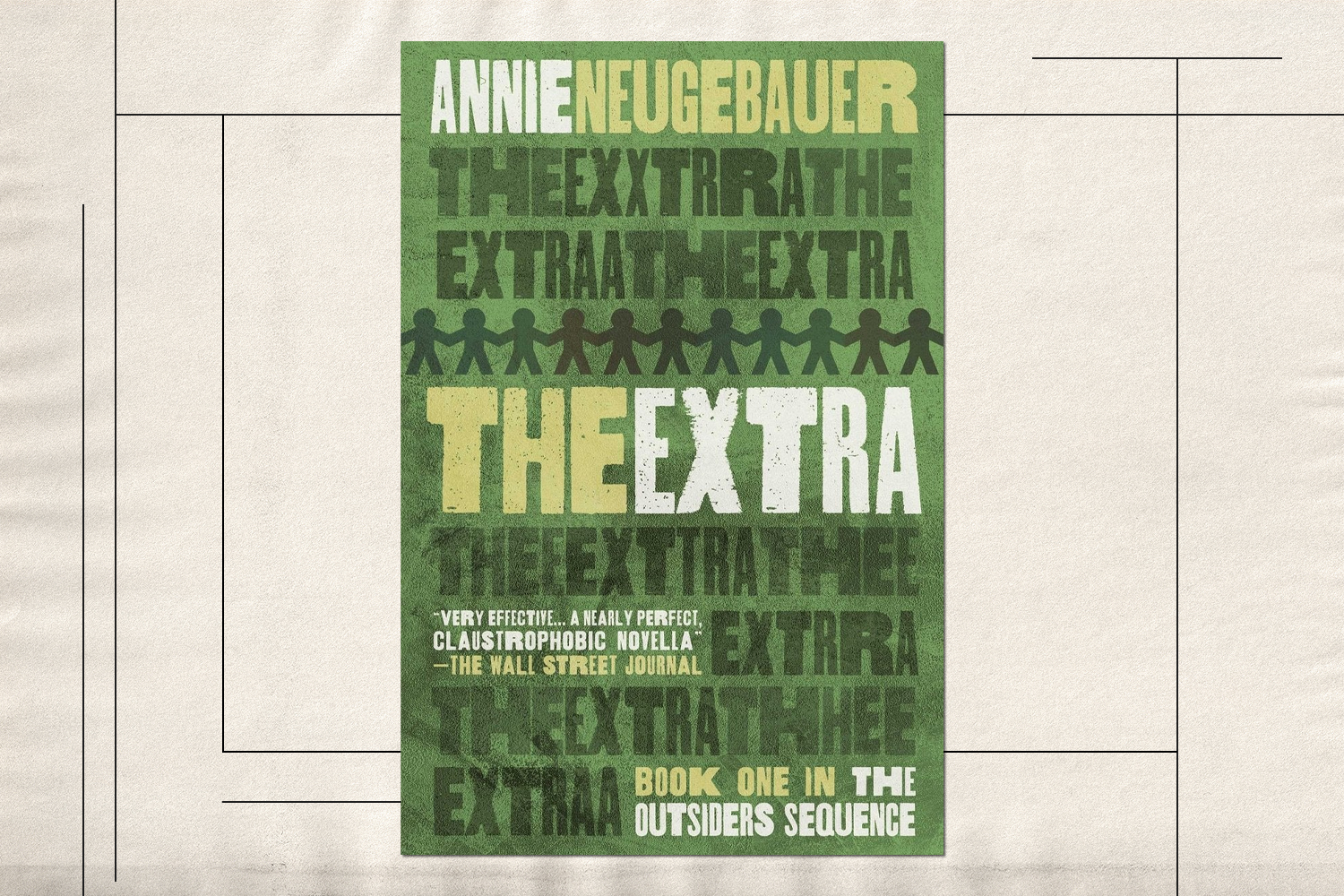
The Extra by Annie Neugebauer
“Sometimes you just need a quick scare. Coming in at a fast-paced 96 pages, The Extra offers a tantalizing premise: 10 people head out on a camping trip, but 11 set up camp. And no one can figure out who the 11th person (or doppleganger) is, including the main protagonists. Even at a short pace, the dread and uncertainty build. Note: The book is part of “The Outsiders Sequence” series, with two other unsettling novellas coming soon (book two, The Other, will be out June 9).” — Kirk Miller, Senior Lifestyle Editor
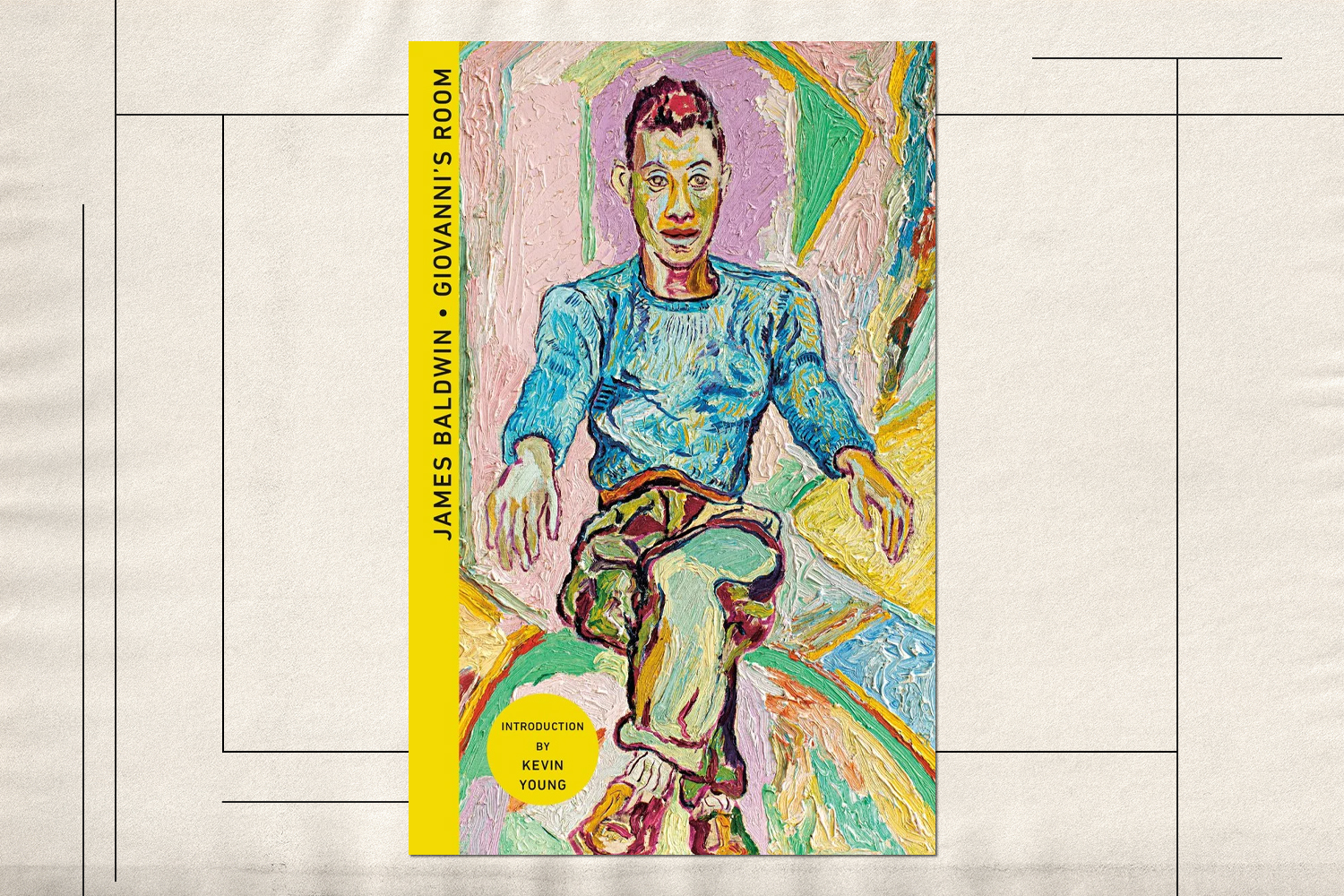
Giovanni’s Room by James Baldwin
“Out of all the classic works of the late Baldwin, this has to be one of my favorites. Going into this novel blind wasn’t necessarily the best choice, as the feelings of intimacy between two men can lead to the inevitable heartbreak — especially in a forbidden time like 1950s in Paris. The overarching themes of love, guilt, self-hatred, the refusal to take a chance on a better life, they all work so harmoniously to convey such a compelling narrative. I recommend this book to everyone I know, and it is in my top three of all time.” –Maxwell Stafford, Editorial Commerce Fellow
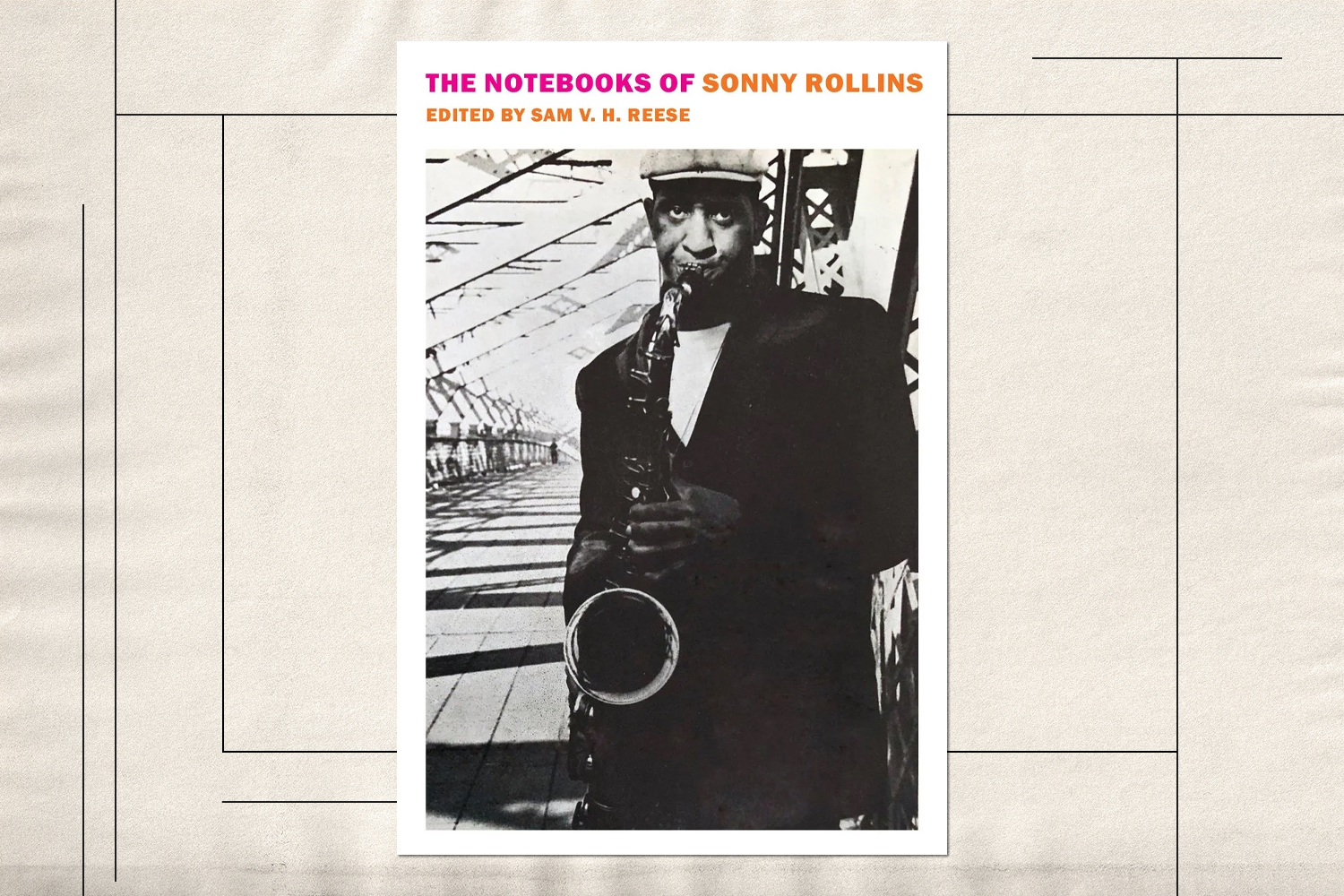
The Notebooks of Sonny Rollins Edited by Sam V. H. Reese
“The passing of jazz legend Sonny Rollins last week was all the prompting I needed to return to an excellent collection of his diaries, released a few years back and edited by jazz critic Sam V.H. Reese. Like his music, Rollins’s writing was decidedly freeform, and the compendium, which includes entries from the better part of six decades, is haphazard and a bit chaotic — a 170-ish-page mishmash packed with technical annotations on technique and theory, heady musings on spirituality and art, and prosaic journal entries, along with the occasional grocery list or note-to-self. This might sound like a semi-perverse voyeur through the mind of a perfection-obsessed virtuoso and tedious for anyone who does not care about tenor sax embouchure, but it’s a thoroughly enjoyable and often hilarious read, filled with both transcendent isms from a once-in-a-generation talent and snippets of life squirreled away by a man just trying to figure things out.” — Paolo Sandoval, Style Editor
More Like This



This article appeared in an InsideHook newsletter. Sign up for free to get more on travel, wellness, style, drinking, and culture..