
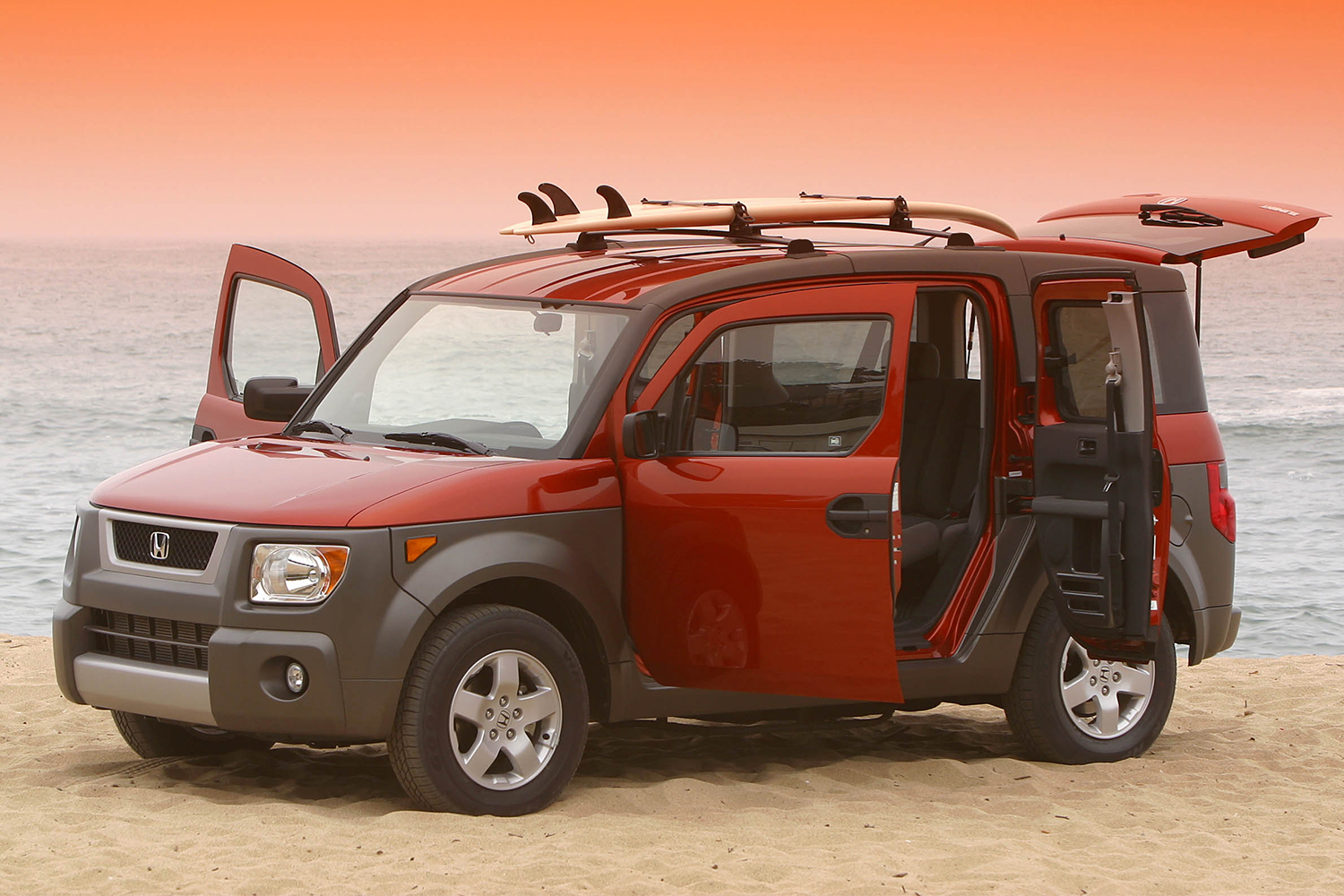
Every now and then we look back on the past and come to realize we’ve made a regrettable mistake. Many who invested in Bitcoin at its height may be holding their heads as its value continues to fall. Others assumed iceberg lettuce was a guilt-free grocery purchase. And then there’s Honda, the Japanese automaker that’s surely looking back on the Element and wondering why it discontinued such a blissful SUV just as the market for adventure vehicles was set to explode.
Before boxy, compact SUVs such as the Kia Soul and Scion xB entered the market, there was the Element. A concept first designed in 1998 and later unveiled as the Model X (sorry, Elon), it represented an effort on Honda’s part to reach young, active drivers. Its squarish styling was inspired by a lifeguard station, its roofline curved to evoke the shape of a surfboard and the lack of aerodynamics stood in contrast to SUVs of the era, tempting youth that dared to be different.
Beyond the bi-parting front and rear doors, Honda’s guiding principle of a spirited, adventurous vibe extended to the Element’s most undervalued traits. There was the plastic flooring paired with stain-resistant seats, allowing you to wipe down every inch of its interior after a day of fun. The rear seats, meanwhile, could be removed in minutes to offer 75-cubic-feet of storage space for bikes, boards and gear. Passengers could even lay the front and rear seats flat, creating a suitable platform for a bed.

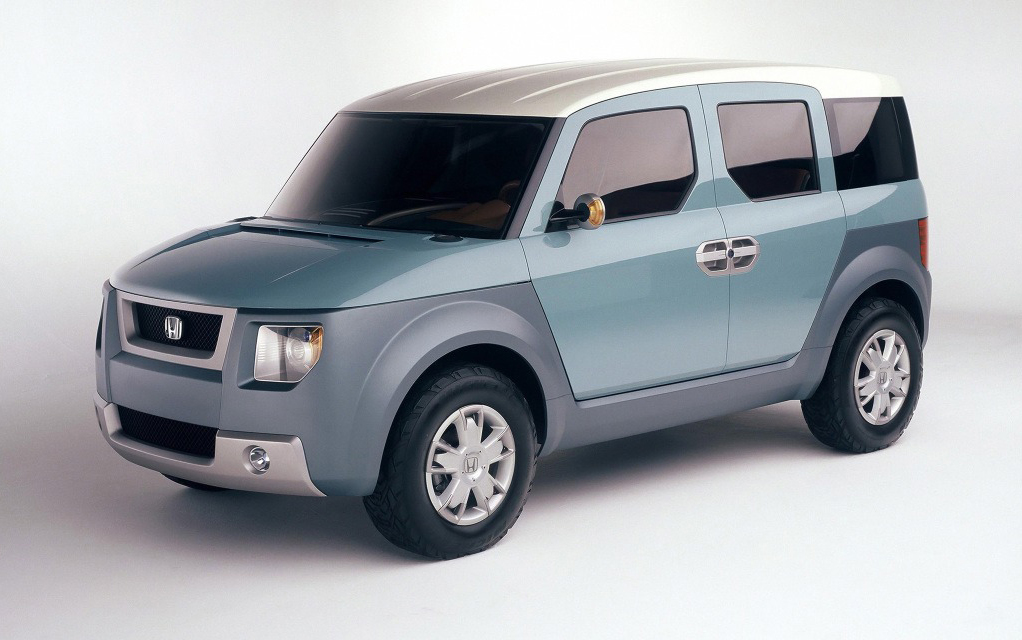

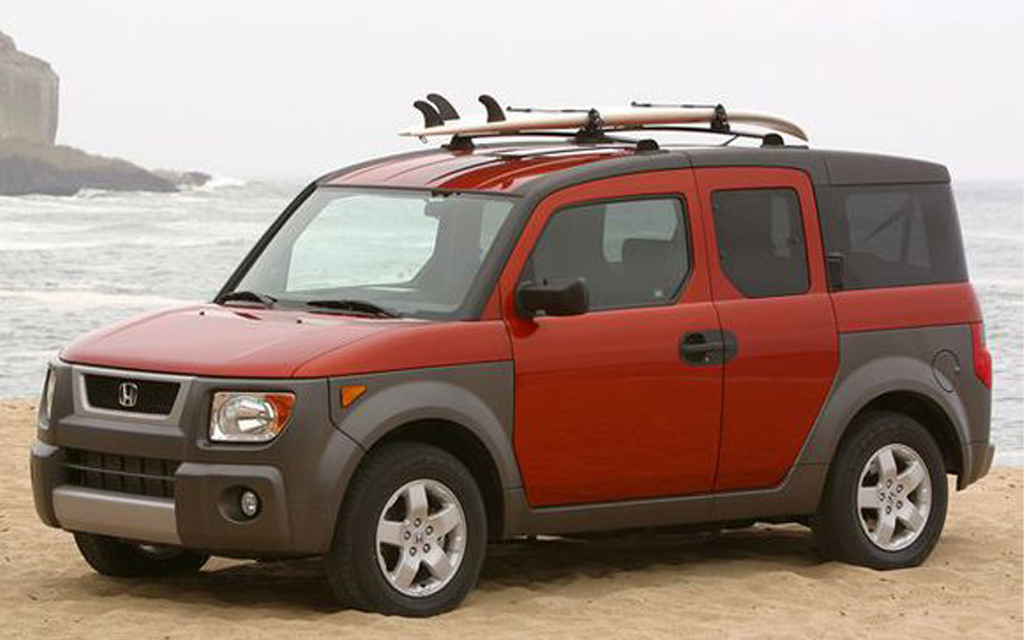
Earlier models of the Element featured quirks that appear unthinkable by today’s conservative automotive standards. The first model year featured a manual, removable sunroof over the cargo area where slender gear could poke out of the top. Then there was the ECamper, an aftermarket upgrade that replaced the original roof with a sleeping platform, not unlike a classic Volkswagen Westfalia. In more ways than one, the Element delivered a suite of functionality that made it original then and iconic today. But all the quirkiness and peculiarity weren’t meant to be.
You see, the Element was the right SUV at the wrong time. It rolled off the factory floor in 2002, when sedans still reigned supreme, only to be discontinued by 2011. Honda refreshed the design every so often during those years, adding and subtracting trim levels that went so far as to embrace all-wheel drive. But over its lifespan, Honda sold a mere 325,000 Elements. By comparison, the Toyota RAV4 sold more units over three years during the same timeframe.
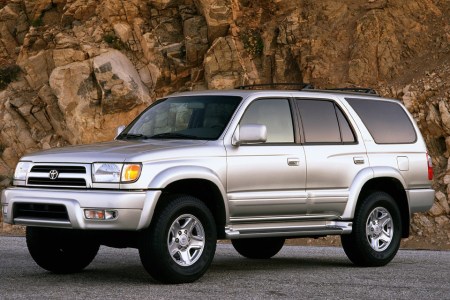
Why a Third-Generation Toyota 4Runner Is the Best Gear Investment I’ve Ever Made
Why my SUV from the ‘90s is the automotive equivalent of Leatherman or Darn ToughTo make matters worse, the Element wasn’t falling into the hands of those young, active whippersnappers like Honda intended. Instead, its main audience consisted of adults that were buying the Element for their dogs, grocery trips and civilized weekend getaways. It didn’t help that the compact SUV was also competing with the bigger Honda CR-V, one of many popular SUVs of the era that had better fuel economy and room for one more passenger.
And yet, for all the lackluster results of its production run, the Element has become something of a cult classic in recent years. Dog owners still praise its easy-to-clean interior, which won the car an award for its canine friendliness back in the day (Honda even rolled out an Element with a dog-friendly package to celebrate the achievement). Vanlifers outfit their interiors with beds and shelving to create a suitable home on wheels. Others have added lift kits for only a few hundred dollars that, when paired with a set of grippy tires, help the Element explore just about anywhere.
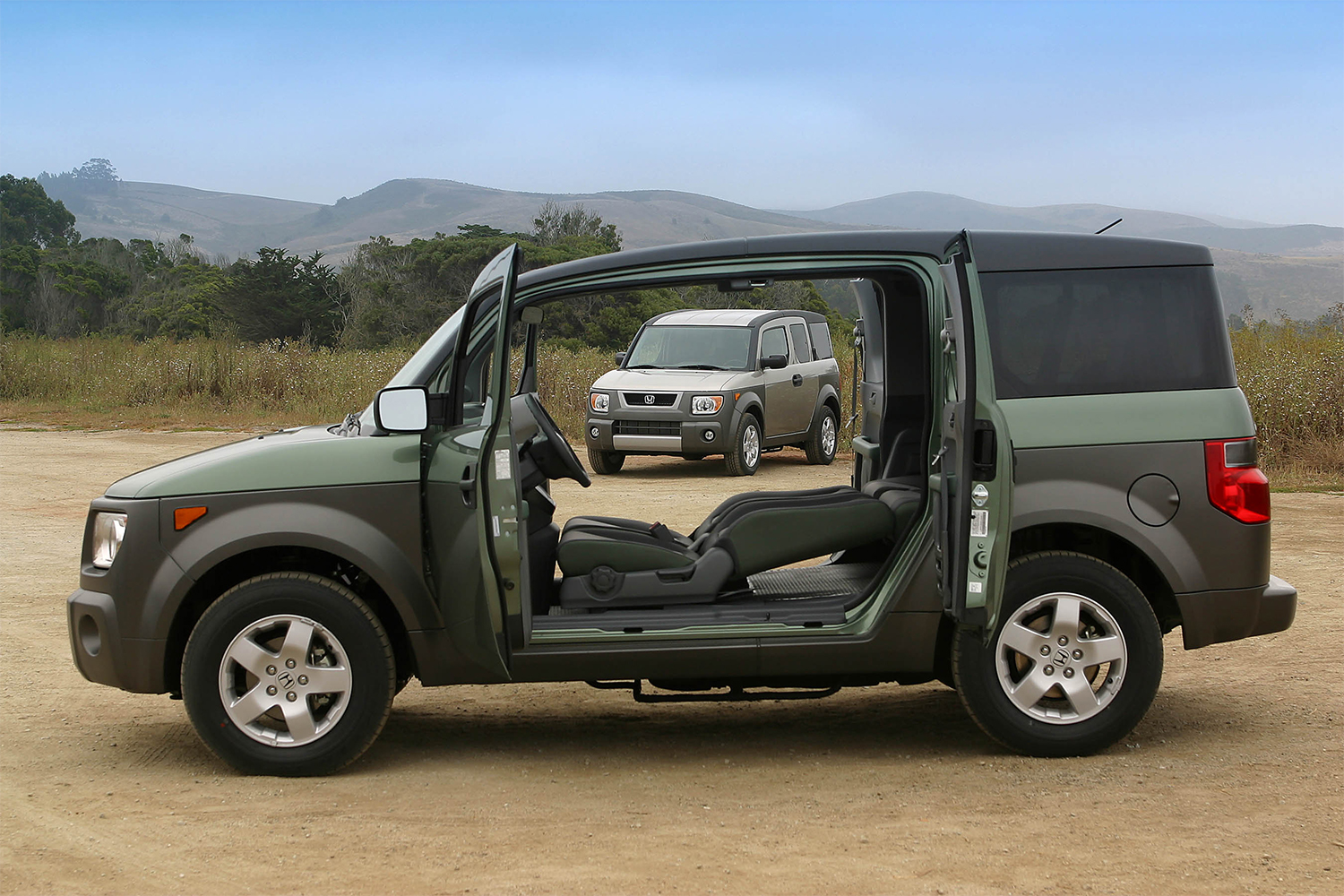
Pricing trends also suggest it’s got staying power: a 2003 Element, the original model, will set you back nearly $7,800 today on average. And the car itself is becoming harder to find. As it turns out, drivers love the easy handling, compact size, spacious interior and basic features that position the Element as a capable adventure vehicle.
Rumors have been circulating for years that the prematurely canceled vehicle would return. In June, an article at Automotive News suggested — nay, outright declared — that the Element would return in 2029 “as a hybrid to battle [the] Ford Bronco Sport.” For its part, Honda has neither confirmed nor denied the report. Personally, I wouldn’t hold my breath.
That’s not to say it can’t happen. If Honda still has any soul left in its corporate bones, the automaker will rectify its mistake and bring back the Element. As the market for big, burly SUVs continues to swell, brands are going all-in with off-road packages, extra seats and luxury features galore. But by and large, most of us don’t really need all that nonsense. All we want is a fun, capable and even peculiar SUV that’s easy to love.
All we want is the Honda Element.
More Like This


We're always on the scene eating, drinking and traveling near and far to bring you the best of what's happening out in the real world. Sign up for IRL now.