
Nota bene: All products in this article are independently selected and vetted by InsideHook editors. If you buy something, we may earn an affiliate commission.
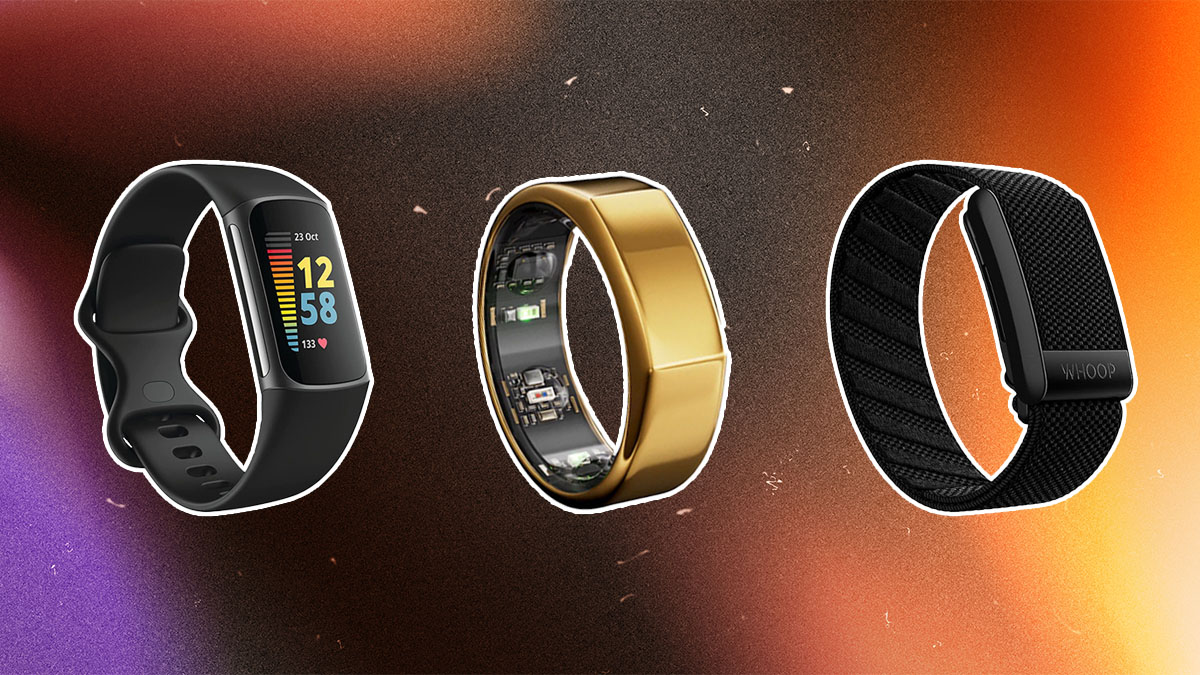
When it comes to technology, more features don’t automatically make a better product. Especially now, as more and more companies come out with stylish, feature-rich trackers available at various price points, it’s time to consider what you really need from a fitness tracker.
Do you want to flaunt a cool look with surface level data? Spend hours analyzing your breathing patterns for peak performance? Show your sleep charts to a doctor? Get period reminders because you always keep forgetting your date? Whatever you need, today’s fitness wearables have got your back.
But with all these features and not-all-that-much money, it can be hard to decide which features are must-haves and which you can let go of. Worry not! We’re here to help! We saved you the hard work and rounded up a list of the best fitness trackers for every type of person.
What to Look for in a Fitness Tracker
What you really need from a fitness tracker depends on how you plan to use it. Today, a simple strap on your wrist can do anything from measuring stress to offering live feedback during meditation. But unless you have thousands of dollars and several hours in the day to tinker with all these bells and whistles, it’s probably a good idea to only invest in features you’ll actually use. Here are some of the popular ones to consider.
Fitness tracking: Fitness tracking functionalities vary widely depending on which wearable you use. From simple step counting to measuring the oxygen levels in your blood during workouts, there’s a wide range of fitness features you can experiment with. But unless you’re a professional athlete or someone who loves geeking out on charts, you probably don’t need all the features you can’t even pronounce. If you’re a beginner, we recommend going for step counting, activity/workout tracking, and heart rate monitoring – you know the basics. Intermediate and advanced fitness folks can nerd out with all the SpO2s and HRVs.
In-app features: Some fitness trackers offer additional features in the app but some of them don’t even have a display. That means every feature is accessible only through the app, so it helps to check out just what tools the app lets you play with. Many fitness wearables offer guided workouts and meditations with an app subscription fee but if the money is tight, you can always turn to YouTube. We do recommend paying attention to the app UI though. If you’re spending a few hundred dollars on a fitness tracker and end up with an app that constantly crashes, that’ll make your stress score go up.
Battery life: How fast your trackers battery depletes obviously depends on your usage patterns but looking for a longer-lasting battery always helps, especially if you spend most of your waking hours out of the house. No one has the time or patience to run for the charger every few days. But there’s a caveat. Some of the high-end fitness wearables like the Apple Watch don’t have the best battery life but offer some of the most desirable fitness tracking features so that’s a compromise you might be willing to make.
The Best Fitness Trackers
• Best fitness tracker for iOS users
• Best affordable fitness tracker
• Best minimal fitness tracker
• Best unobtrusive fitness tracker
• Best fitness tracker for managing stress
• Best fitness tracker for athletes
Best fitness tracker for iOS users
Best affordable fitness tracker
Best minimal fitness tracker
Best unobtrusive fitness tracker
Best fitness tracker for managing stress
Best fitness tracker for athletes
More Like This
We've put in the work researching, reviewing and rounding up all the shirts, jackets, shoes and accessories you'll need this season, whether it's for yourself or for gifting purposes. Sign up here for weekly style inspo direct to your inbox.